






-11%
Custom Your Own Katana
$180.00
$160.00


-18%
The Surudoi Handmade Katana Extra Sharp Spring Steel Unokubi-Zukuri
$189.00
from $155.00


-28%
The Giyuu Tomioka Handmade Katana Clay Tempered T10 Steel From Demon Slayer
$208.00
from $150.00
-
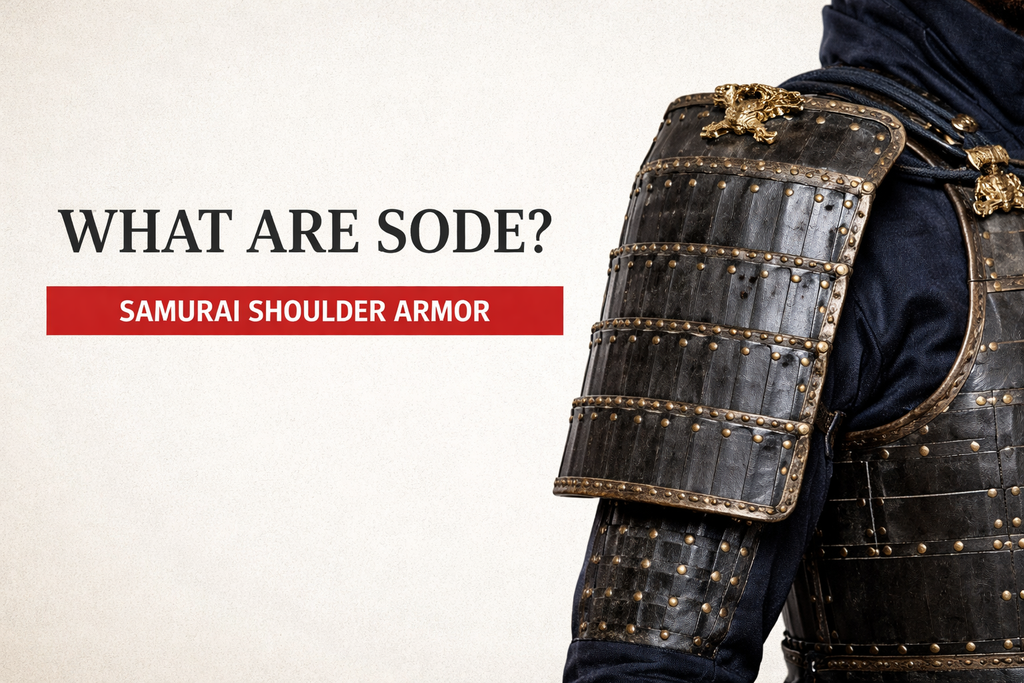
Introduction The Samurai Shoulder Armor Sode Types and History
The sode are the shoulder guards of samurai armor, designed to protect the upper arms and shoulders while preserving the mobility needed for combat. Easily recognizable by their broad, rectangular shape in early armor styles, sode evolved significantly over the centuries as Japanese warfare changed. From the large ō-sode worn by mounted warriors to the smaller, more practical shoulder guards of later armor, these... -
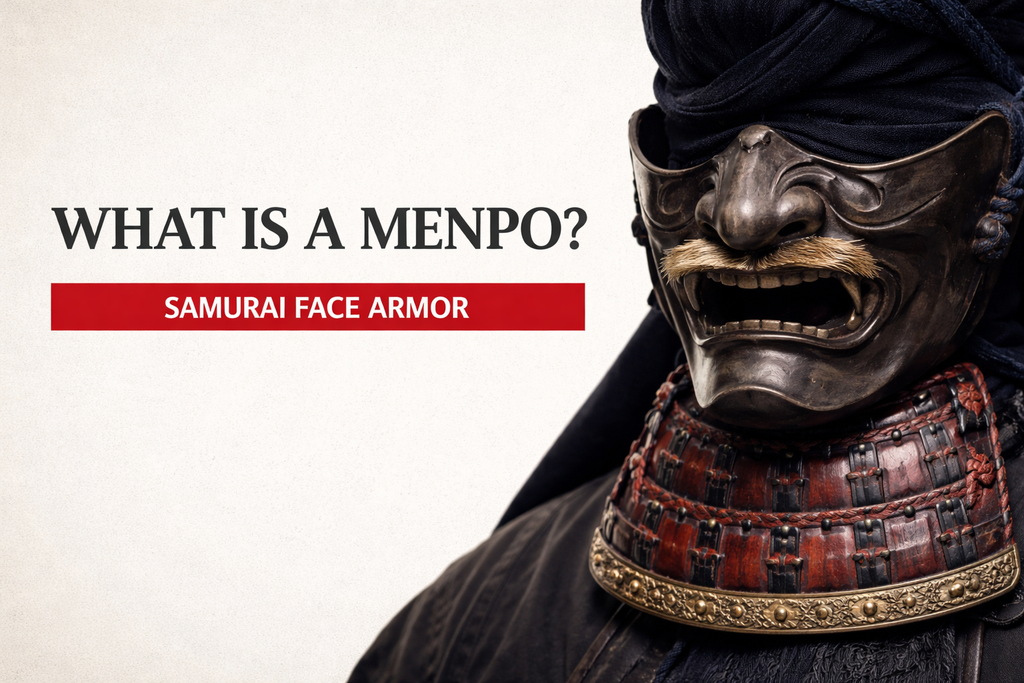
Menpo : The Samurai armor face guard history and types
The menpō is one of the most distinctive components of samurai armor, designed to protect the face while projecting an intimidating appearance on the battlefield. Often crafted with fierce expressions, mustaches, wrinkles, or demon-like features, menpō served both practical and psychological purposes. Over time, several styles emerged, ranging from full-face masks to designs that protected only specific areas of the face. This guide explores... -
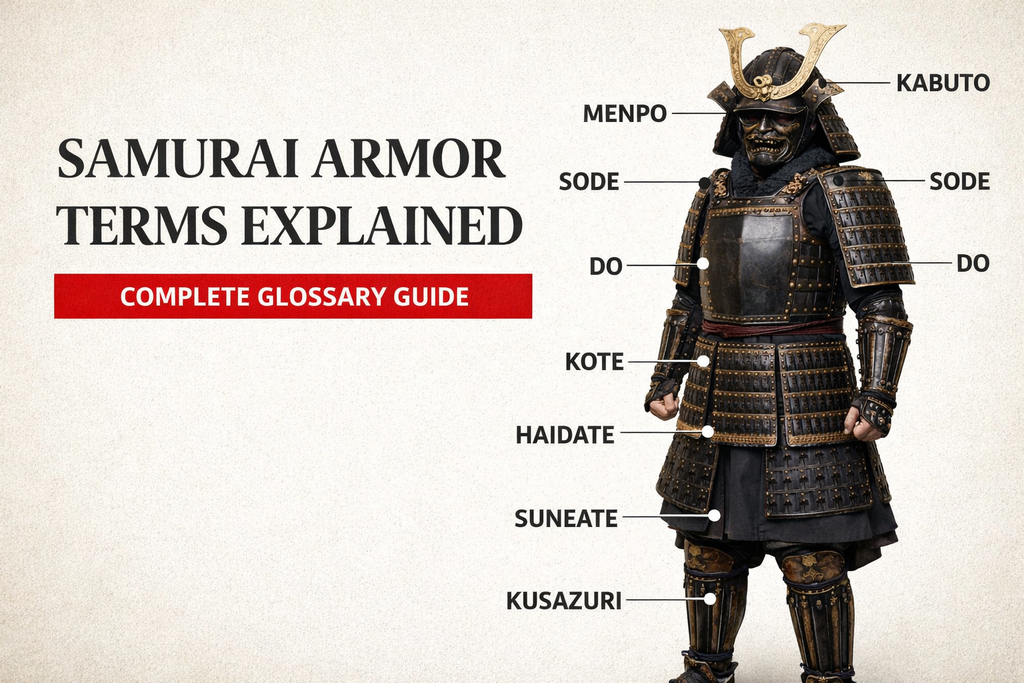
Samurai Armor Glossary
Samurai armor is filled with specialized terminology that can be confusing for newcomers. From the kabuto that protected a warrior's head to the dō, sode, kusazuri, and countless other components, each part of a suit of armor has its own unique name and purpose. Understanding these terms not only helps you identify different armor pieces but also provides deeper insight into the craftsmanship, history,... -
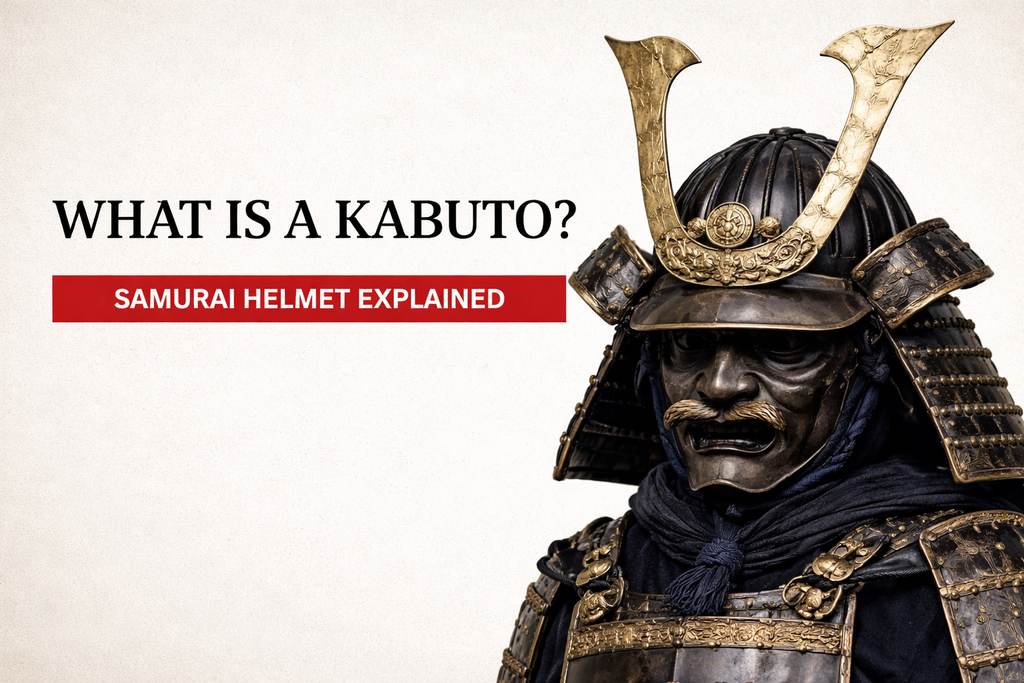
Samurai Helmet Kabuto - A complete guide to understand the parts, types and history
The kabuto is one of the most recognizable pieces of samurai armor, serving as both a vital protective helmet and a powerful symbol of status, identity, and craftsmanship. From simple early designs to the elaborate crested helmets of the Sengoku period, kabuto evolved alongside Japan's changing methods of warfare. Featuring components such as the hachi (helmet bowl), shikoro (neck guard), maedate (crest), and fukigaeshi... -
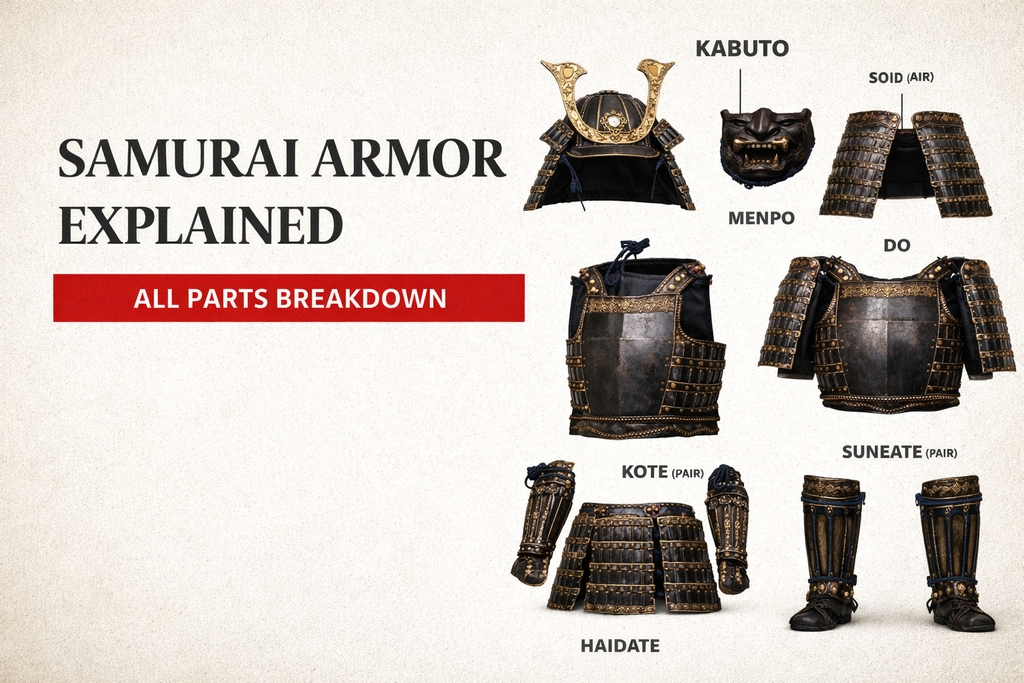
Samurai Armor Major Parts Explained
Samurai armor was a complex system made up of many specialized components, each designed to protect a specific part of the body while maintaining mobility and comfort. From the iconic kabuto (helmet) and menpō (face mask) to the dō (cuirass), sode (shoulder guards), and kusazuri (skirt armor), every piece served an important role on the battlefield. Understanding these components not only helps you appreciate... -
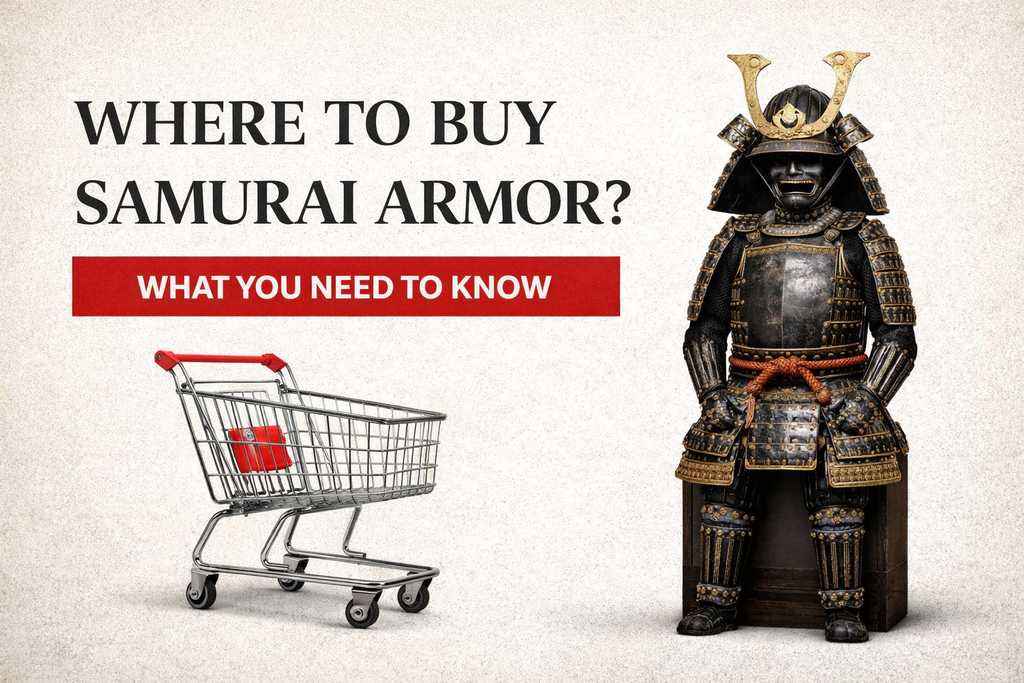
where to buy samurai armor
Buying samurai armor can be both exciting and overwhelming, especially with so many options ranging from inexpensive display pieces to fully customized, handcrafted suits. Whether you're a collector, reenactor, martial artist, cosplayer, or simply a fan of Japanese history, choosing the right armor requires understanding factors such as materials, historical accuracy, craftsmanship, fit, and customization options. This guide explores the best places to buy... -
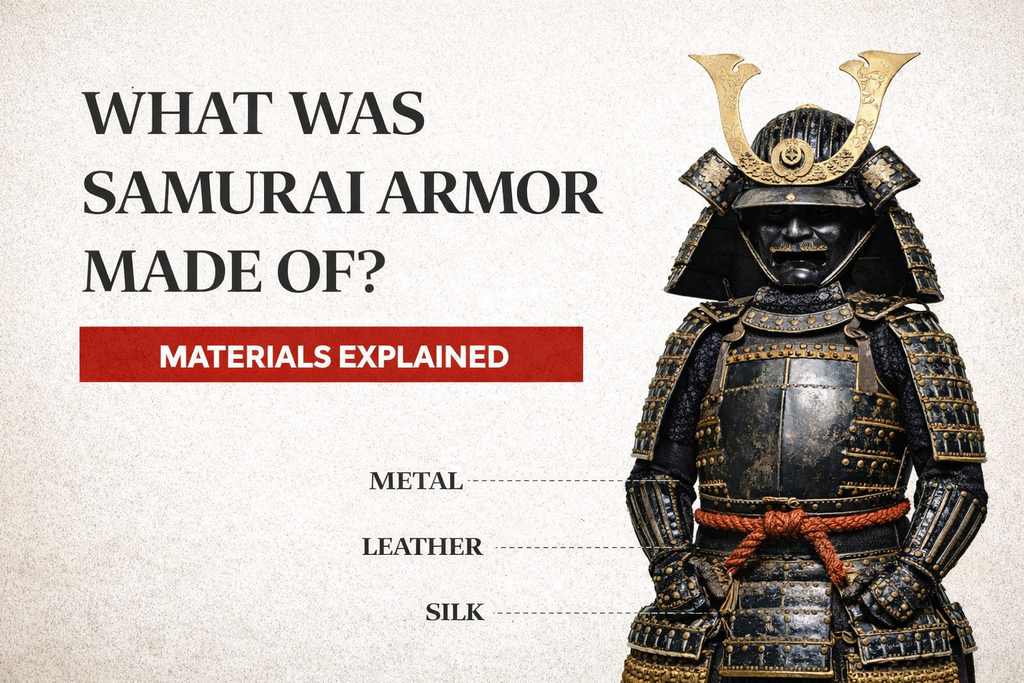
what material was samurai armor made of
Samurai armor was crafted from a carefully selected combination of materials designed to provide protection, flexibility, and durability. Depending on the period and armor style, craftsmen used iron or steel plates, hardened leather, silk lacing, lacquer coatings, wood, and fabric to construct armor capable of withstanding the demands of warfare. The unique way these materials were assembled allowed samurai to maintain mobility while benefiting... -
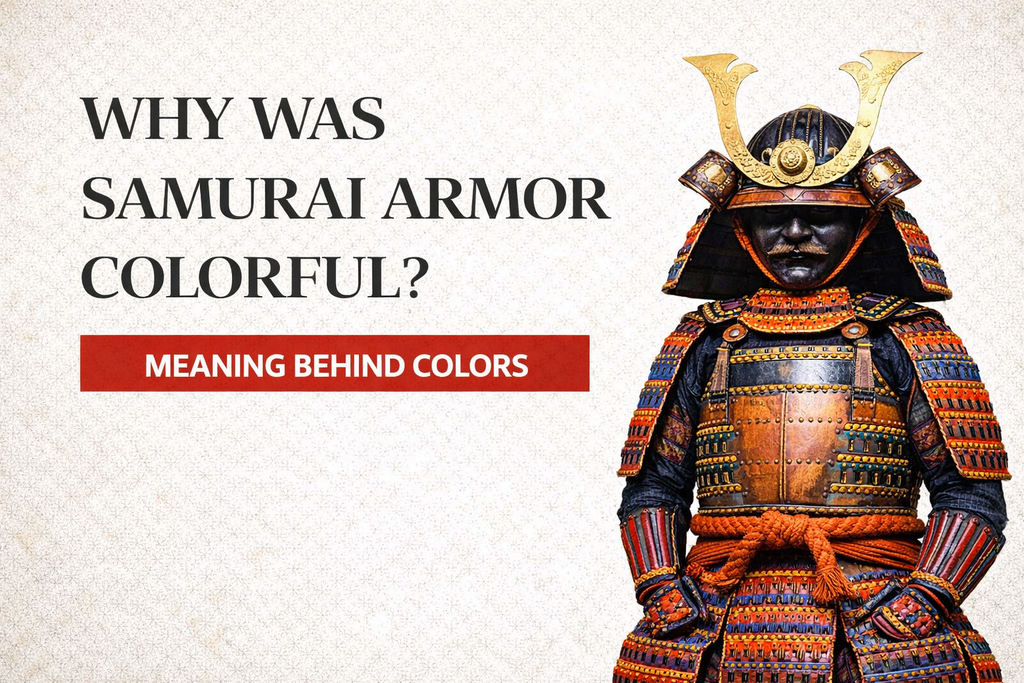
The Art of War Exploring the Colors of Samurai Armor
Samurai armor was far more than battlefield protection—it was also a powerful expression of identity, status, and personal taste. Through lacquer finishes, silk lacing, clan colors, and decorative elements, samurai used color to distinguish themselves, display allegiance, and project authority on the battlefield. From the striking red armor associated with courage and aggression to the elegant black and gold combinations favored by powerful warriors,... -
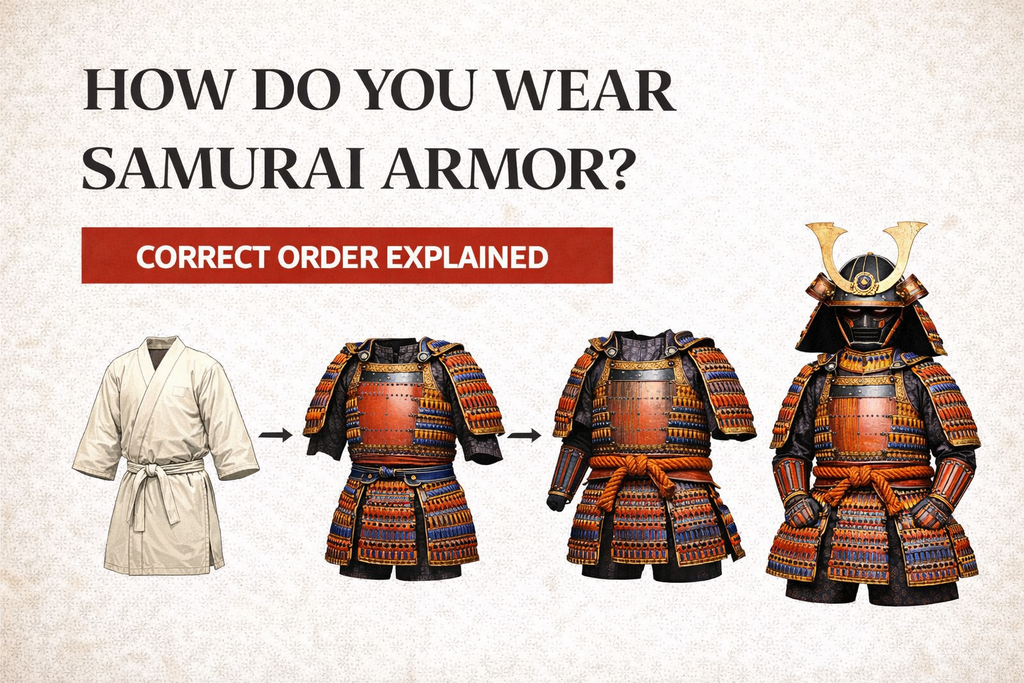
How to wear samurai armor - Correct Order explained
Wearing samurai armor is a detailed process that requires placing each component in the correct order to ensure proper protection, mobility, and comfort. From the undergarments and leg protection to the cuirass, arm guards, and helmet, every piece was designed to work together as a complete system. Whether you're a collector, reenactor, or simply interested in Japanese history, understanding how samurai armor was worn... -
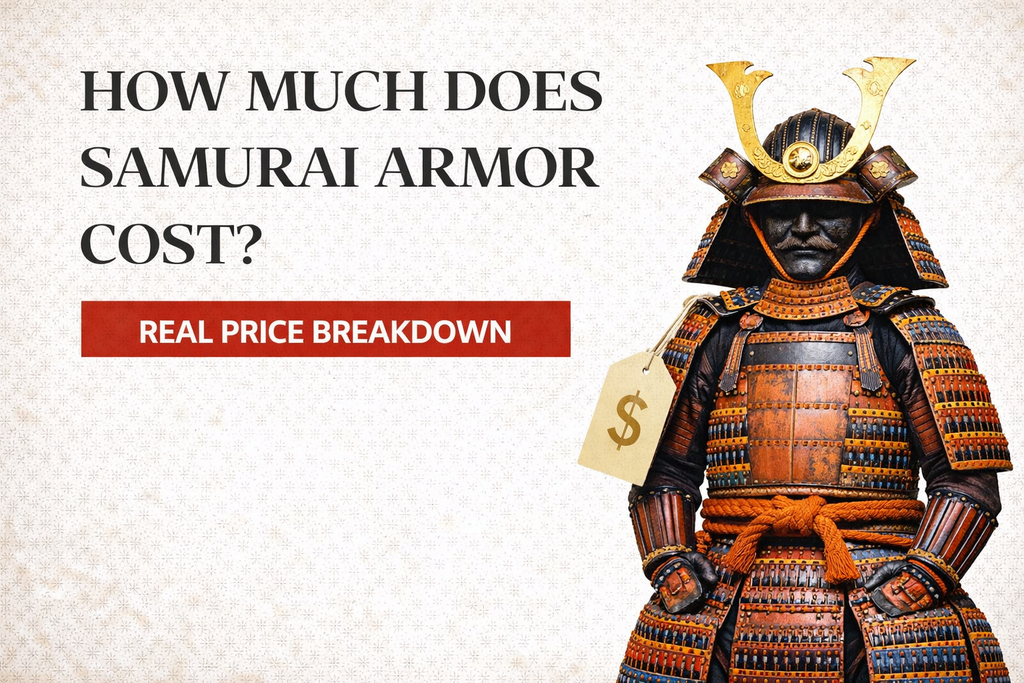
how much does a samurai armor cost
How much does samurai armor cost? Prices can range from a few hundred dollars for basic decorative replicas to several thousand dollars for handcrafted custom armor, while authentic antique suits may cost tens of thousands. Factors such as materials, craftsmanship, historical accuracy, customization, and provenance all play a major role in determining value. Whether you're a collector, reenactor, martial artist, or enthusiast, understanding the...
