





-11%
Custom Your Own Katana
$180.00
$160.00


-18%
The Surudoi Handmade Katana Extra Sharp Spring Steel Unokubi-Zukuri
$189.00
from $155.00


-28%
The Giyuu Tomioka Handmade Katana Clay Tempered T10 Steel From Demon Slayer
$208.00
from $150.00
-
Kamon: Complete guide to understand the Japanese family crest
Kamon (Japanese family crests) are among the most recognizable symbols of Japanese culture, appearing on samurai armor, kimonos, war banners, swords, temples, and even modern corporate logos. Originally developed by aristocratic families during the Heian period, kamon evolved into an important system of identification for samurai clans, merchants, and common households alike. Featuring motifs inspired by nature, animals, plants, tools, and geometric patterns, each... -
Top 10 Famous Samurai thought out the Japanese history
The samurai were more than skilled warriors—they were military leaders, strategists, statesmen, and cultural icons who helped shape the course of Japanese history. From the undefeated swordsman Miyamoto Musashi and the revolutionary warlord Oda Nobunaga to the unifier Toyotomi Hideyoshi, the shogun Tokugawa Ieyasu, and legendary figures such as Tomoe Gozen, Date Masamune, and Sanada Yukimura, their stories continue to inspire people around the... -
Ronin Explained: Japan’s Masterless Samurai and Their Struggles
The rōnin were samurai who found themselves without a lord to serve, often due to their master's death, defeat, or loss of status. In a society where loyalty and service defined a warrior's identity, becoming a rōnin could bring uncertainty, hardship, and social stigma. Yet some rōnin became skilled mercenaries, teachers, adventurers, or legendary figures whose stories continue to inspire people today. This guide... -
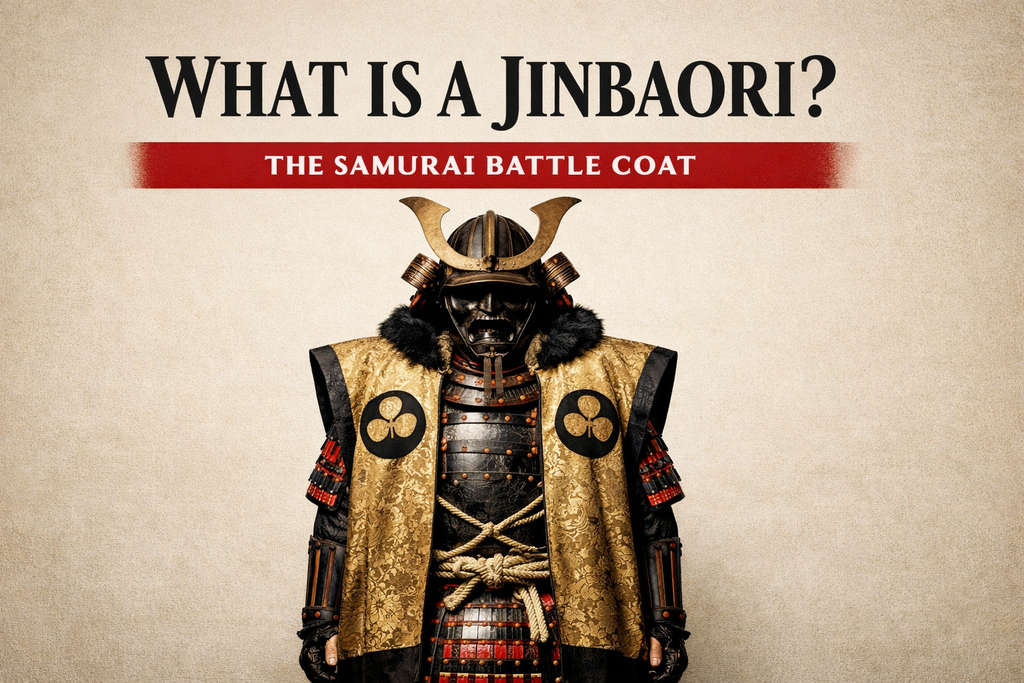
Jinbaori: Everything you need to know about this samurai coat
The jinbaori is a traditional sleeveless surcoat worn by samurai over their armor, serving both practical and symbolic purposes. Originally used to provide protection from weather and improve comfort during military campaigns, the jinbaori gradually evolved into a garment that displayed status, authority, and personal style. Often richly decorated with unique fabrics, family crests, and bold designs, it became especially popular among commanders and... -
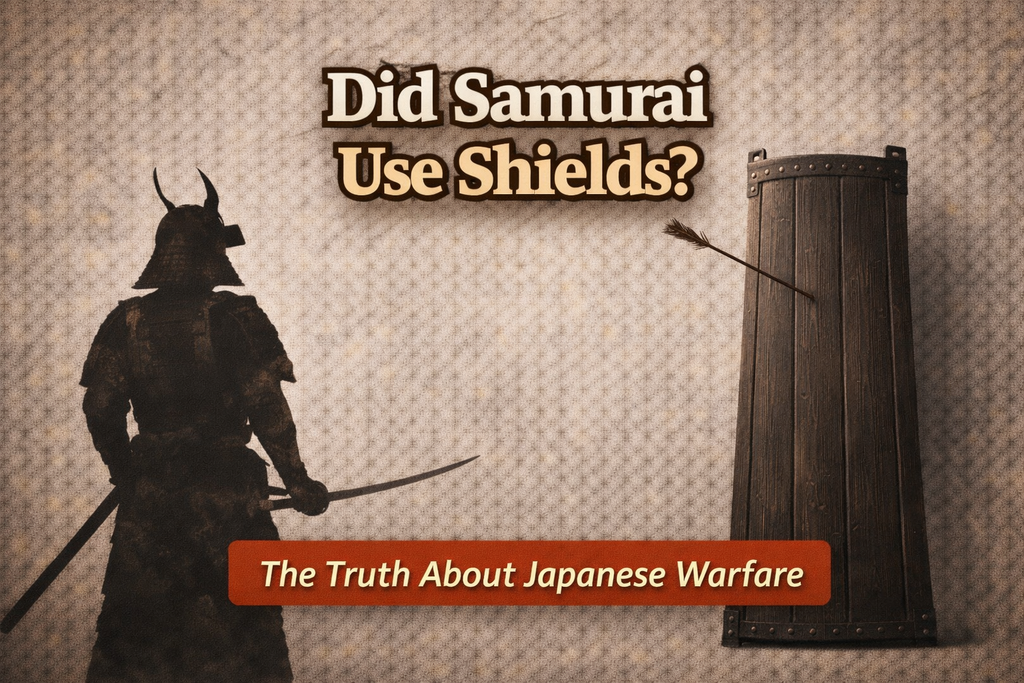
Japanese Shields: History and the Role of Shields in Samurai Warfare
When people think of samurai warfare, swords, bows, and spears often come to mind—but what about shields? Unlike many military traditions around the world, Japanese warriors rarely carried handheld shields into battle. However, shields did exist in Japan and played specialized roles throughout different periods of warfare. From the large tate battlefield shields used by archers and infantry to various defensive field fortifications, Japanese... -
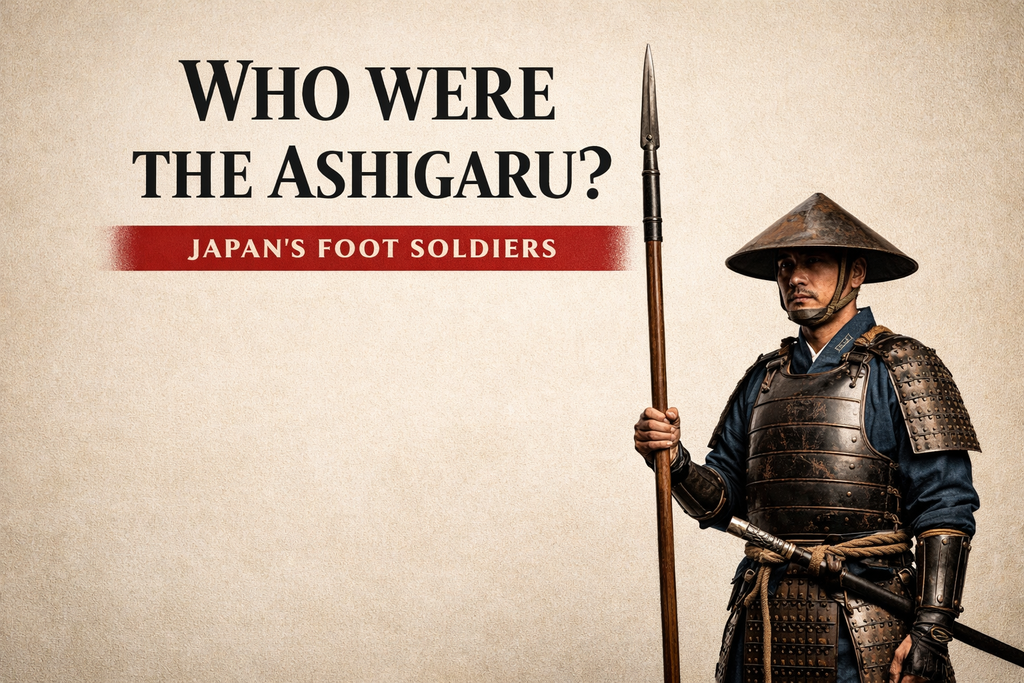
Ashigaru : Everything you need to know about the Japanese Foot Soldiers
The ashigaru were the foot soldiers of feudal Japan and played a crucial role in shaping the outcome of countless battles. Originally recruited from peasant classes, ashigaru evolved from lightly equipped auxiliaries into disciplined military forces armed with spears, bows, and firearms. During the Sengoku period, their growing importance helped transform warfare from small-scale samurai conflicts into large organized campaigns. This guide explores the... -
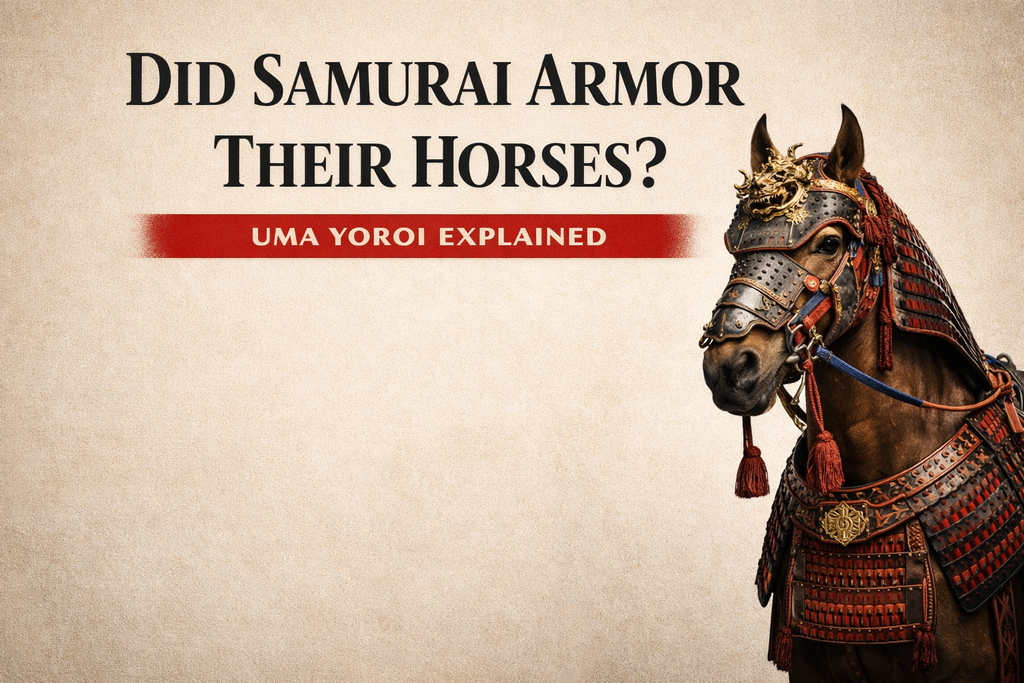
Complete Guide to Understanding Samurai Horse Armor: Uma Yoroi (馬鎧)
Uma Yoroi (馬鎧), or samurai horse armor, was designed to protect valuable warhorses from arrows, spears, and other battlefield threats. While often overshadowed by the armor worn by samurai themselves, horse armor played an important role in mounted warfare, particularly among elite warriors who relied on cavalry tactics. Constructed from materials similar to human armor and often decorated to reflect status and prestige, Uma... -
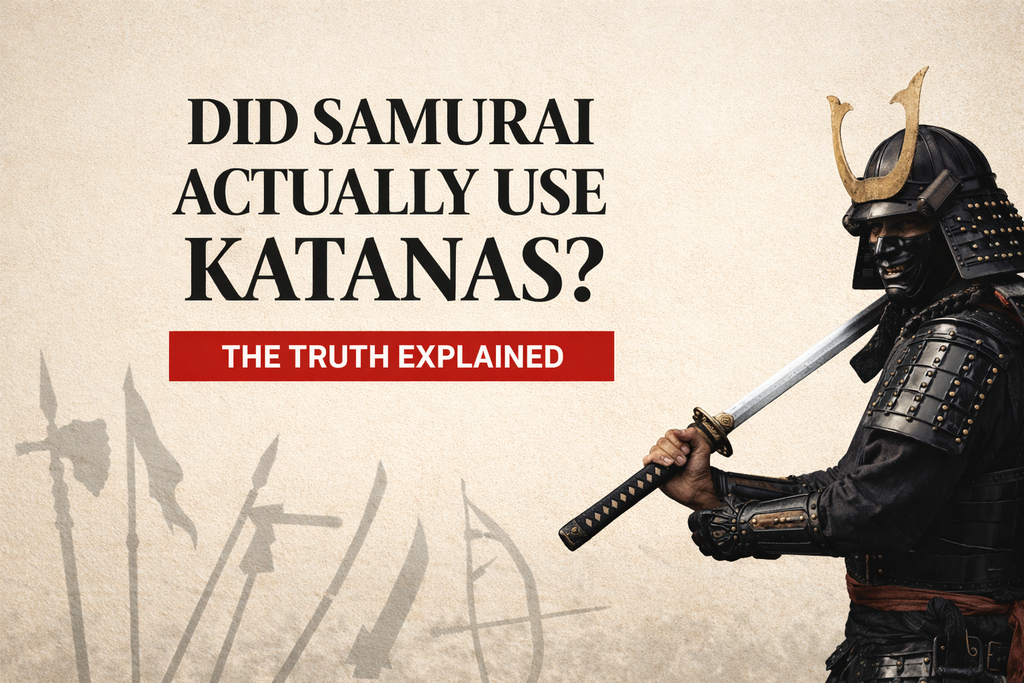
Did Samurai Use Katanas?
When people think of samurai, the image that often comes to mind is a warrior carrying a katana. While the katana became one of the most iconic weapons in Japanese history, the relationship between samurai and the katana is more complex than many realize. Throughout different periods, samurai used a variety of weapons, including bows, spears, naginata, and earlier sword types such as the... -
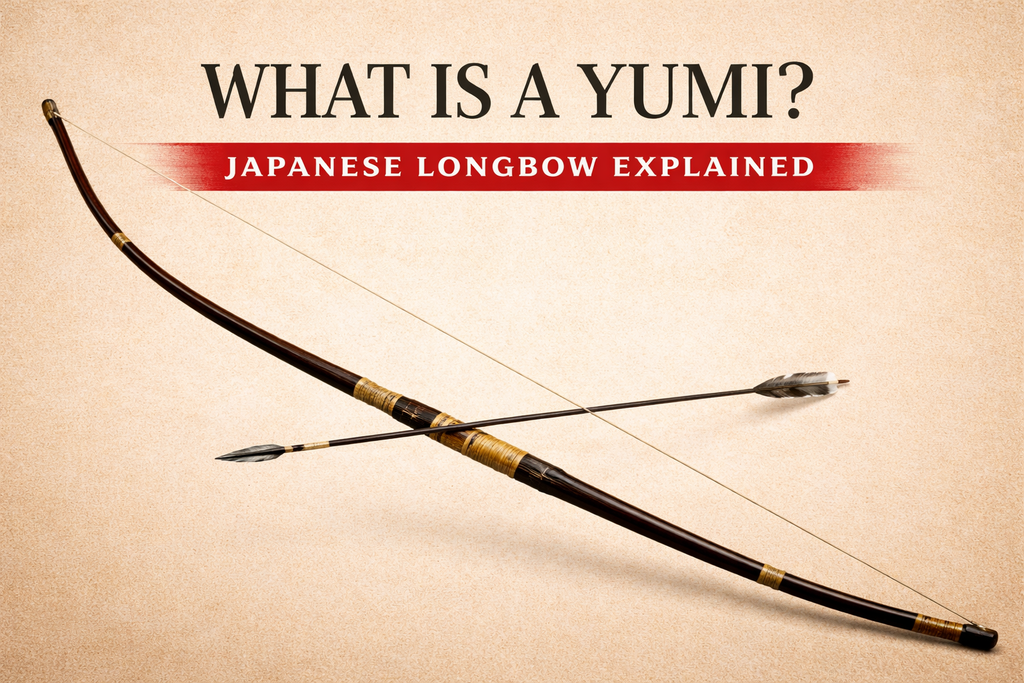
What is Yumi the Japanese bow?
The yumi is the traditional Japanese bow, renowned for its distinctive asymmetrical shape and deep connection to samurai culture. Long before the katana became the symbol of the warrior class, mastery of the bow was considered one of the most important martial skills in Japan. Used in hunting, warfare, ceremonial practices, and modern kyūdō (the Way of the Bow), the yumi remains one of... -
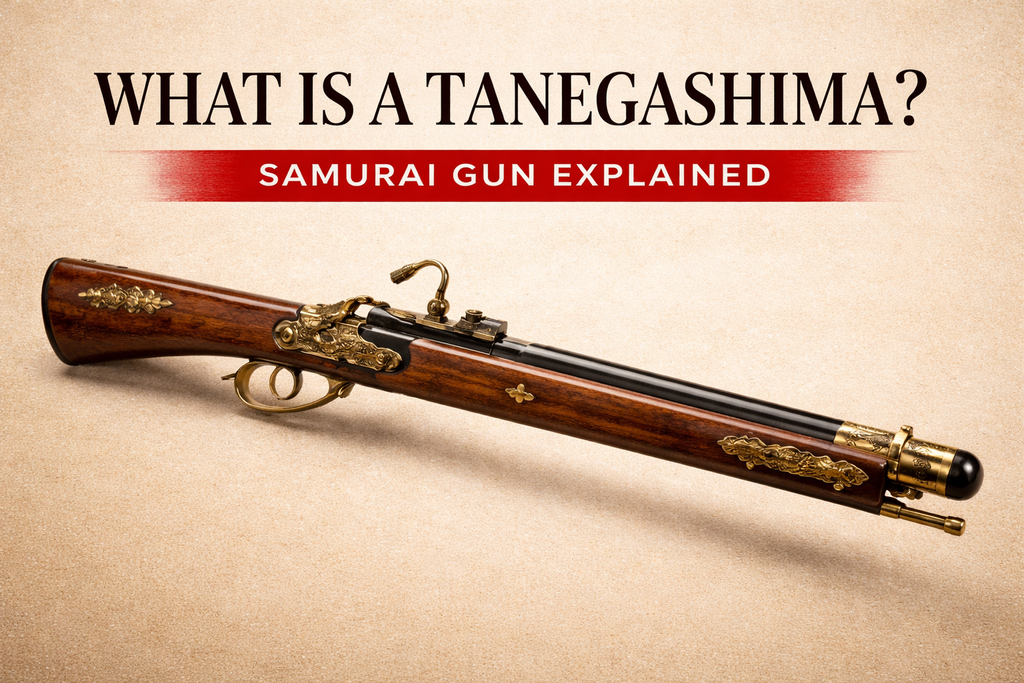
What is Japanese Tanegashima Gun (hinawajū)?
The Tanegashima, also known as the Hinawajū (matchlock gun), was the firearm that revolutionized warfare in feudal Japan. Introduced by Portuguese traders in the 16th century, this weapon was quickly adopted, reproduced, and improved by Japanese craftsmen, becoming a decisive factor in many Sengoku-era battles. Its arrival challenged traditional notions of samurai combat and reshaped military tactics across the country. This guide explores the...
