





-11%
Custom Your Own Katana
$180.00
$160.00


-18%
The Surudoi Handmade Katana Extra Sharp Spring Steel Unokubi-Zukuri
$189.00
from $155.00


-28%
The Giyuu Tomioka Handmade Katana Clay Tempered T10 Steel From Demon Slayer
$208.00
from $150.00
-
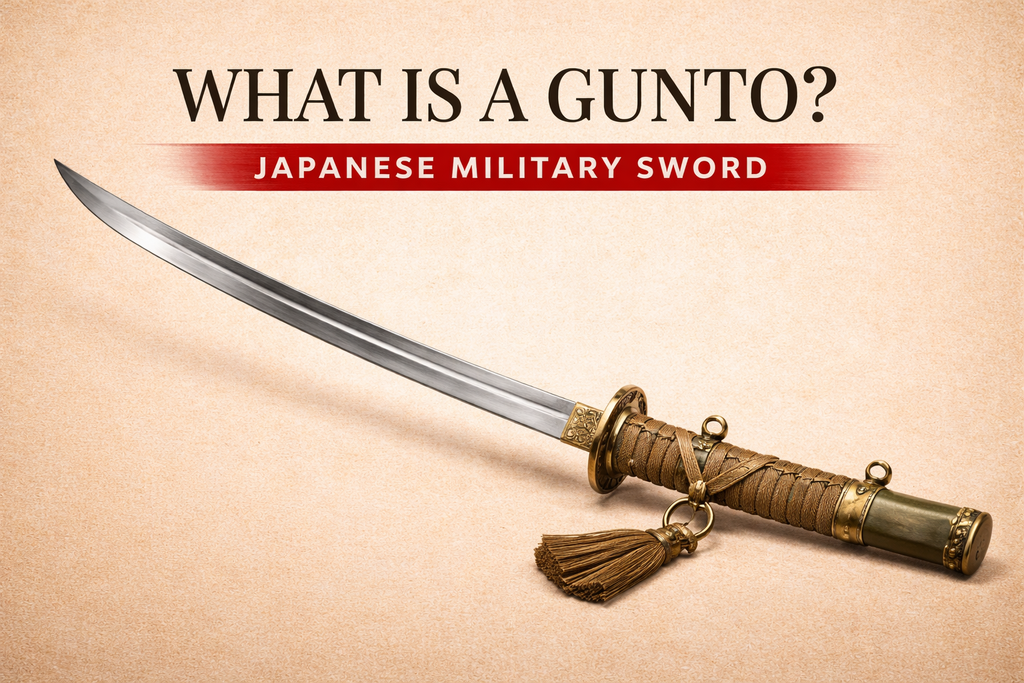
What is Gunto? A guide to understand Japanese WW2 Swords
The guntō was the military sword carried by officers of the Imperial Japanese Army and Navy during the late 19th and early 20th centuries. Inspired by traditional samurai swords but designed for modern military service, guntō came in several forms, including the famous Shin Guntō used during World War II. While some were traditionally forged by skilled swordsmiths, many were mass-produced to meet wartime... -
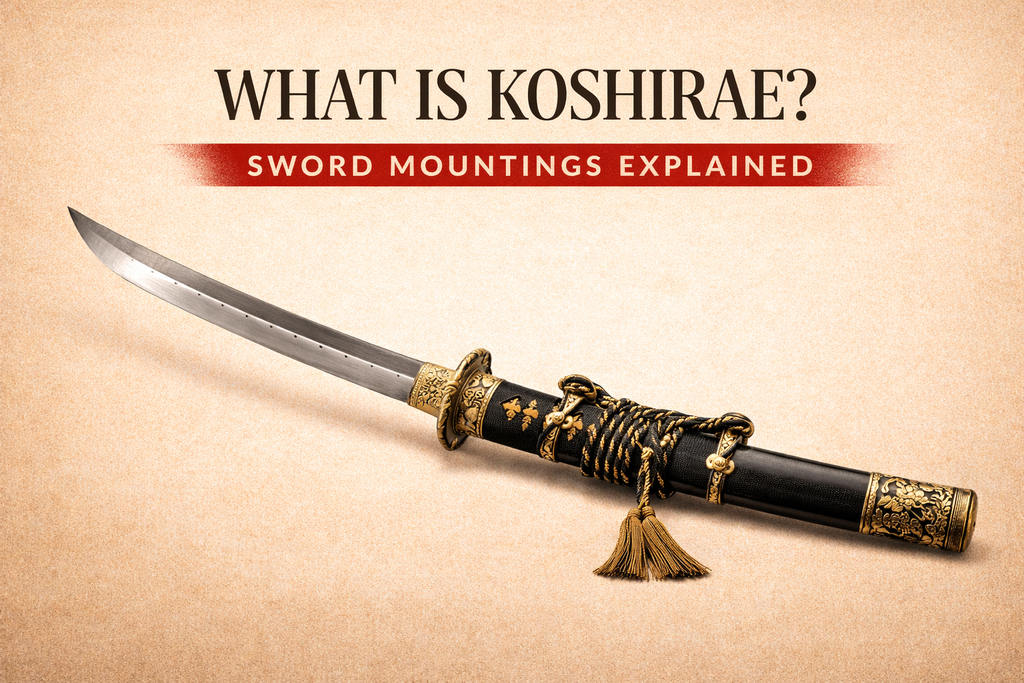
Koshirae Everything you need to know about the Japanese Katana Mountings
Koshirae refers to the complete set of external mountings and fittings of a Japanese sword, including the tsuka, tsuba, saya, menuki, sageo, and other components that transform a bare blade into a functional weapon. Far more than decoration, koshirae influences how a sword is carried, handled, maintained, and appreciated. Throughout Japanese history, samurai often commissioned custom koshirae that reflected their status, personal taste, and... -
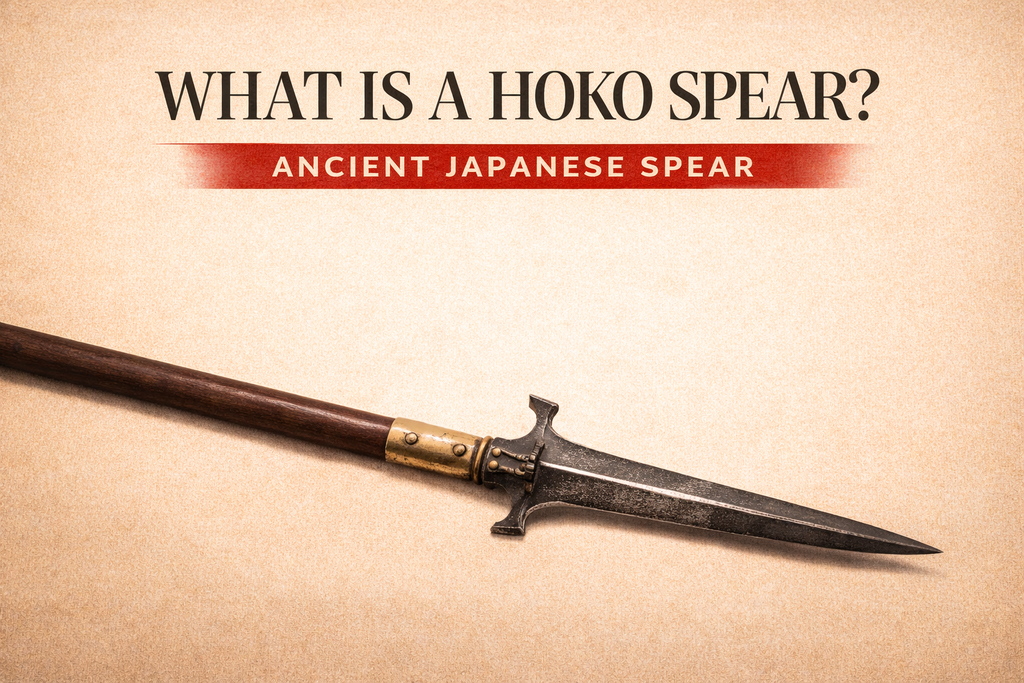
What is Hoko Spear
The hoko is one of the earliest types of Japanese spears, dating back to ancient Japan before the widespread adoption of the yari. Characterized by its long shaft and straight blade, the hoko was influenced by continental Asian weapon designs and served as an important military weapon during Japan's formative periods. Although eventually replaced by more specialized spear designs, the hoko played a significant... -
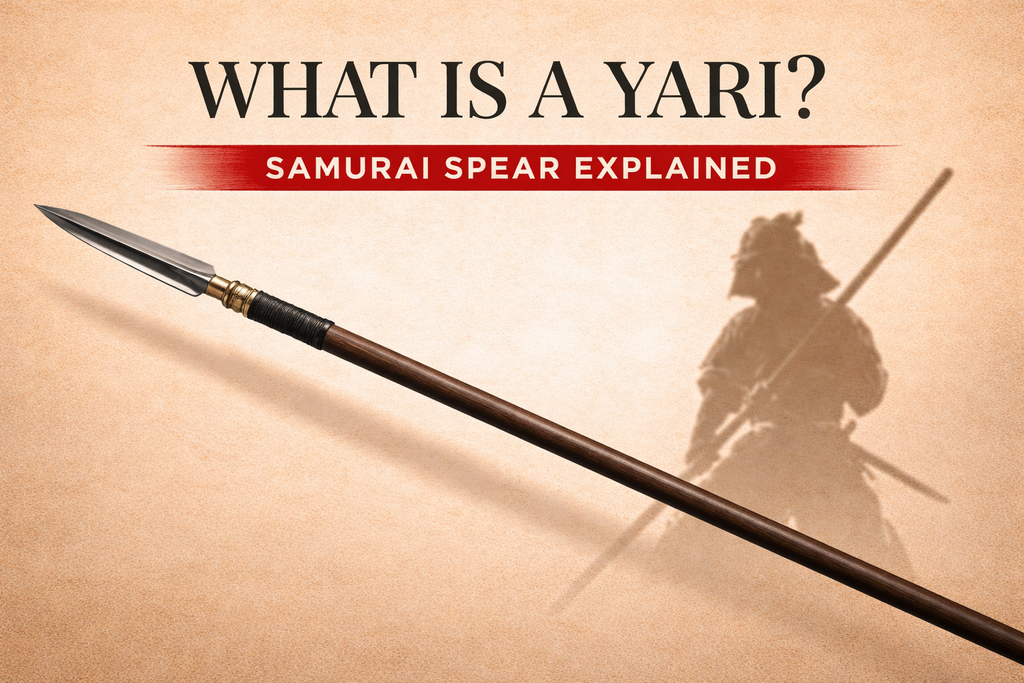
What is Yari? A complete guide to understand the legendary Japanese Spear
The yari is a traditional Japanese spear that played a central role in warfare for centuries. While swords often receive the most attention in popular culture, the yari was one of the most effective and widely used weapons on the battlefield, prized for its reach, versatility, and effectiveness against both infantry and cavalry. Used by samurai and ashigaru alike, yari came in many forms,... -
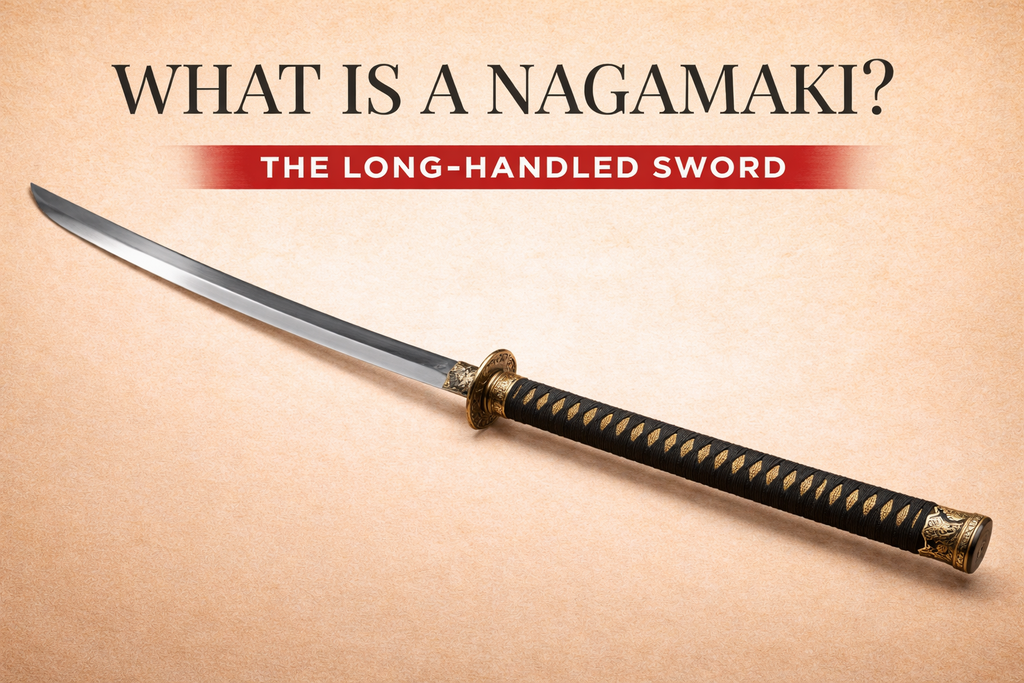
What is Nagamaki A complete guide to understand this versatile Japanese weapon
The nagamaki is a distinctive Japanese weapon characterized by its long blade and exceptionally long handle wrapped in the style of a katana. Often described as a hybrid between a sword and a polearm, the nagamaki was designed to deliver powerful cuts while providing extended reach and leverage on the battlefield. Popular among samurai during Japan's medieval wars, it proved highly effective against infantry... -
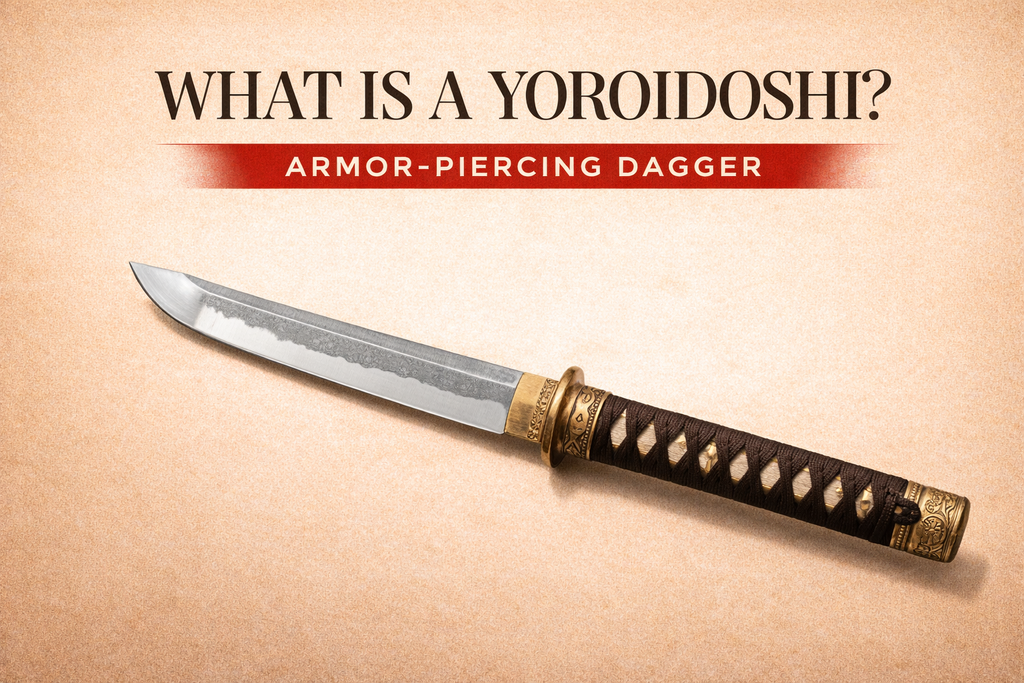
Yoroidoshi Tanto - Small but powerful an understated blade designed to breach armor
The yoroi-dōshi tantō is a specialized Japanese dagger designed for one purpose: penetrating armor in close-quarters combat. Featuring a shorter but exceptionally thick and robust blade, the yoroi-dōshi was capable of targeting gaps in a samurai's armor where larger swords were less effective. Favored as a backup weapon on the battlefield, it combined compact size with remarkable strength and piercing power. This guide explores... -
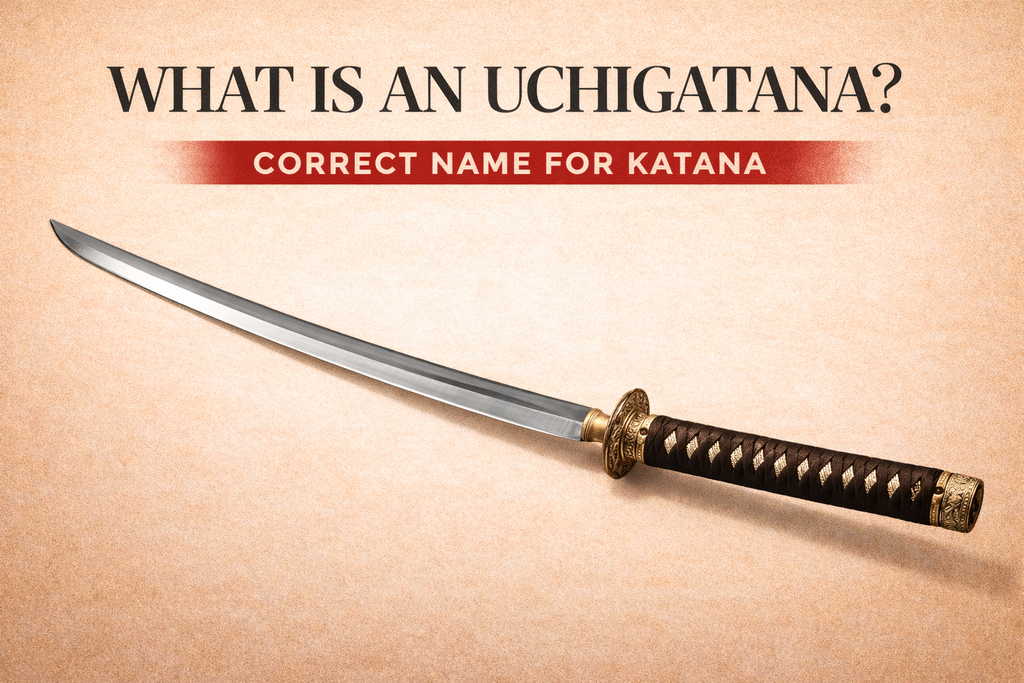
What is Uchigatana? Introduction of this Sharp and Sleek Samurai Sword
The uchigatana was a Japanese sword developed during the late medieval period and is widely regarded as the direct predecessor of the katana. Designed to be worn edge-up through the obi for faster drawing and combat readiness, the uchigatana reflected the changing needs of samurai warfare as battles shifted from mounted combat to fighting on foot. Over time, its design evolved and refined into... -
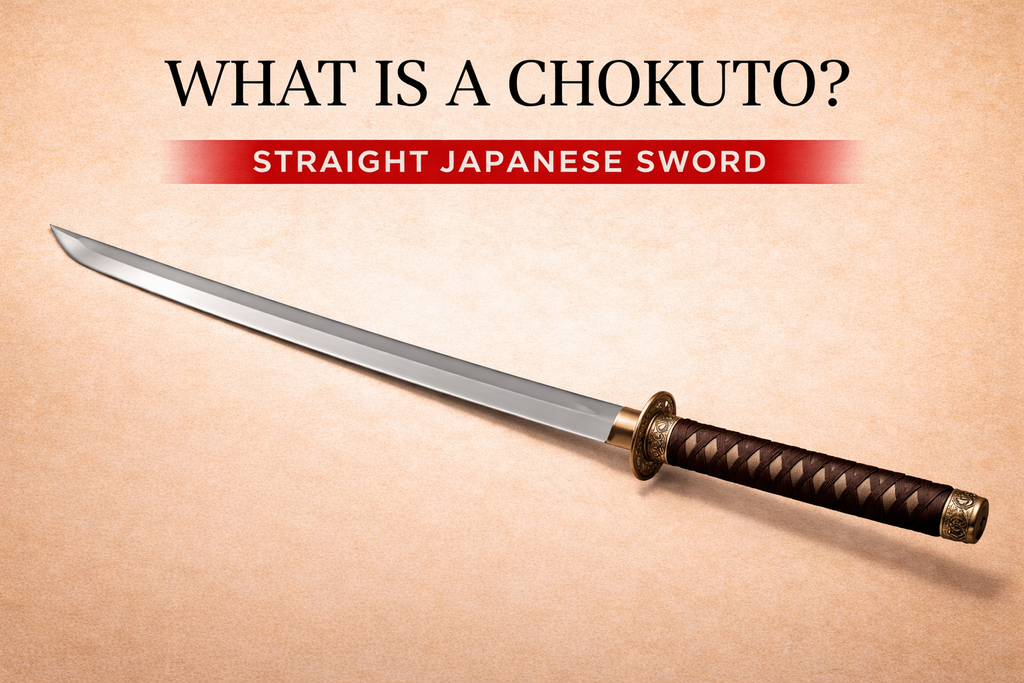
What is Chokuto? A complete guide to understand the Japanese Straight sword
The chokutō is one of the earliest forms of Japanese sword, distinguished by its straight blade and simple construction. Used centuries before the rise of the curved katana, the chokutō was heavily influenced by Chinese and Korean sword designs and played a crucial role in the evolution of Japanese weaponry. Although eventually replaced by curved swords better suited to mounted combat and cutting techniques,... -
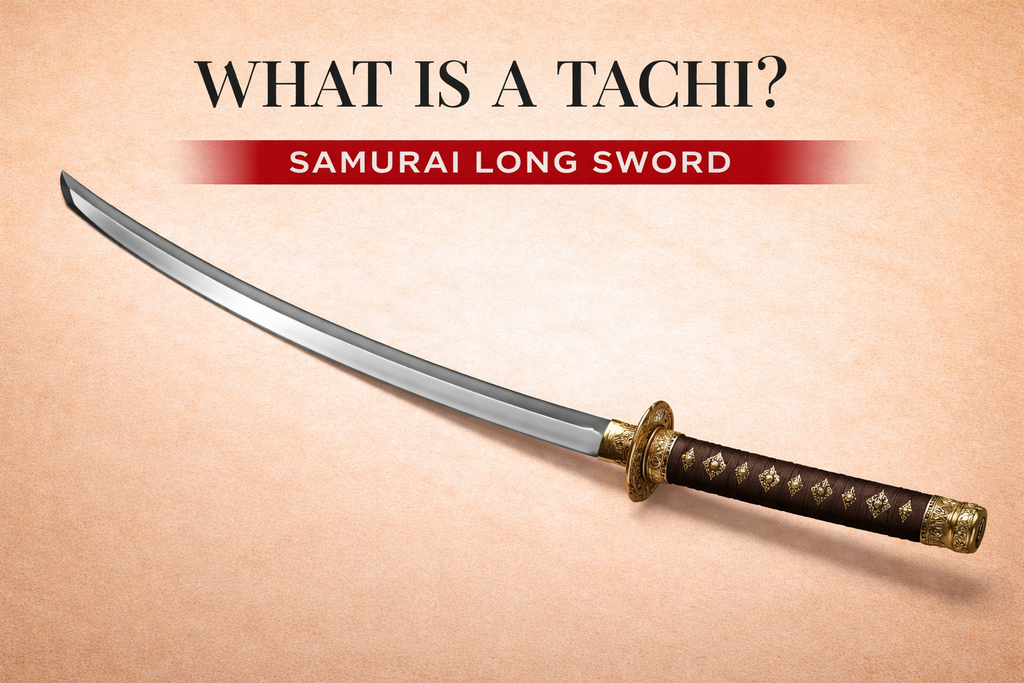
What is Tachi? A complete guide to understand the Japanese long sword
The tachi is one of the most important swords in Japanese history and the direct predecessor of the katana. Characterized by its deeper curvature, longer profile, and edge-down carrying method, the tachi was designed primarily for mounted combat and battlefield warfare. For centuries, it served as the weapon of choice for samurai before gradually giving way to the katana. This guide explores the origins,... -
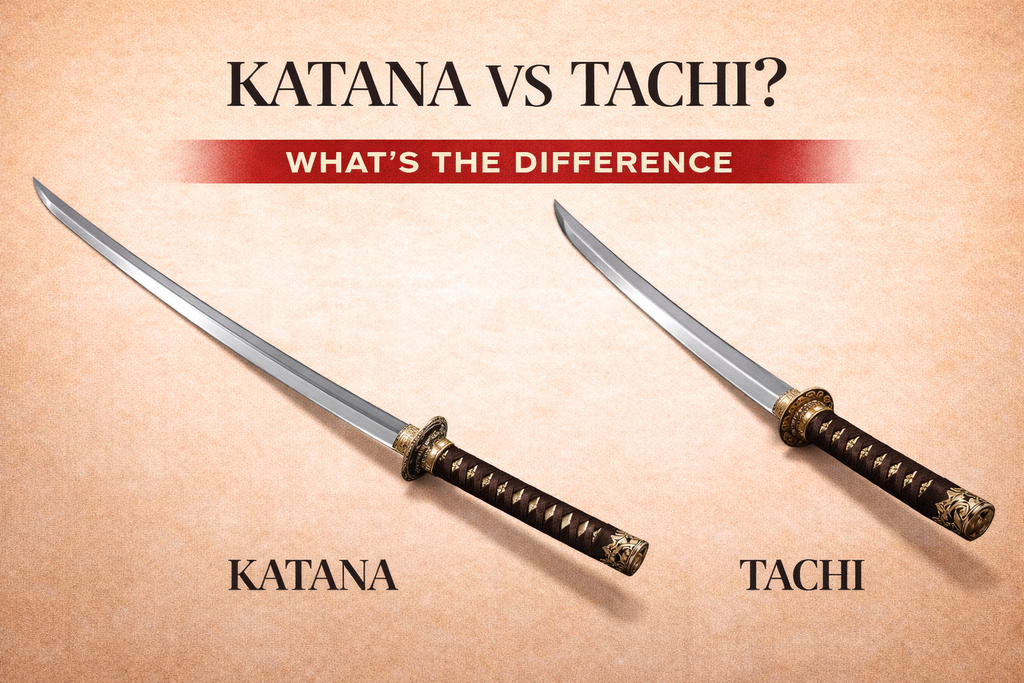
Difference between katana and tachi
The katana and tachi are two of the most iconic Japanese swords, but they were designed for different eras and styles of combat. While both feature curved blades and share common roots, they differ in length, curvature, mounting methods, carrying position, and battlefield role. The tachi was primarily developed for mounted warfare, while the katana became the preferred sidearm of samurai fighting on foot....
