






-11%
Custom Your Own Katana
$180.00
$160.00


-18%
The Surudoi Handmade Katana Extra Sharp Spring Steel Unokubi-Zukuri
$189.00
from $155.00


-28%
The Giyuu Tomioka Handmade Katana Clay Tempered T10 Steel From Demon Slayer
$208.00
from $150.00
-
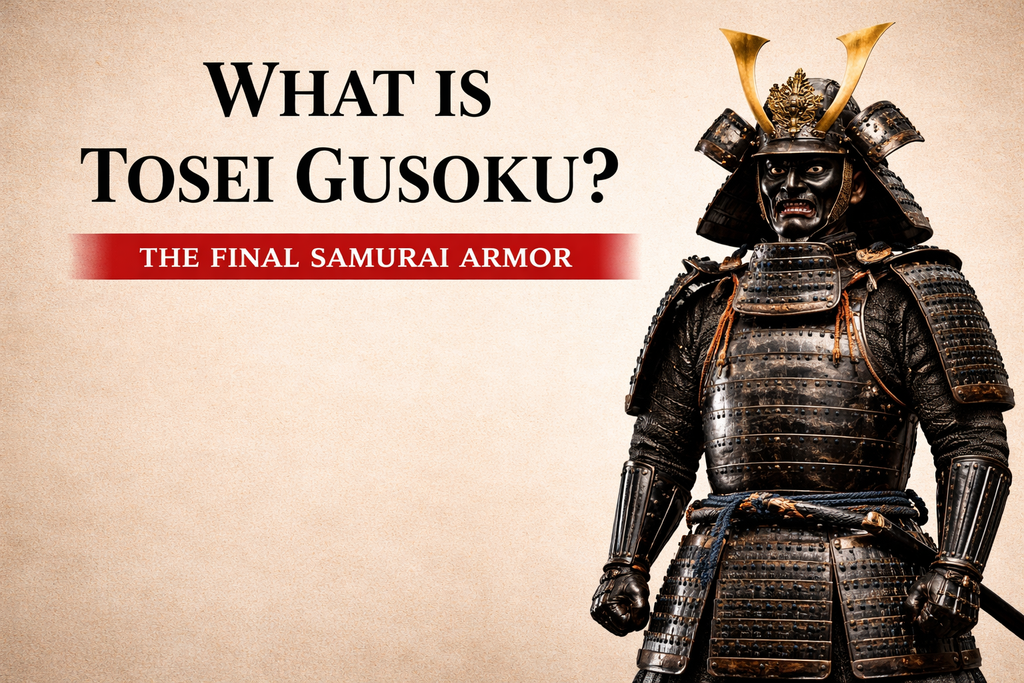
Tosei Gusoku The Final Form of Japanese Armor
Tōsei Gusoku ("modern armor") represents the final and most advanced stage in the evolution of samurai armor. Developed during the turbulent Sengoku period, it was designed to meet the challenges of large-scale warfare, new battlefield tactics, and the introduction of firearms. Featuring larger iron plates, stronger construction methods, and improved protection against bullets and spear attacks, Tōsei Gusoku marked a significant departure from earlier... -
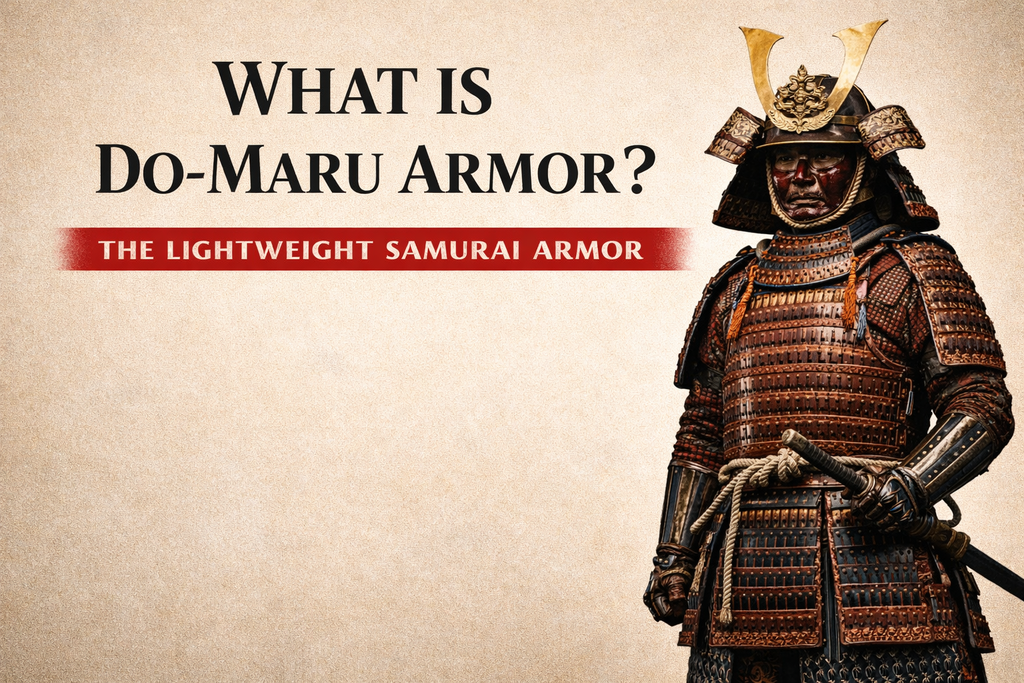
Domaru Complete guide to understand this light samurai armor
The Dō-Maru is one of the most influential styles of Japanese armor, known for its lighter construction, flexibility, and close-fitting design. Originally developed for foot soldiers and lower-ranking warriors, the Dō-Maru offered greater mobility than the bulky Ō-Yoroi, making it well suited to the changing nature of medieval Japanese warfare. Over time, its practical advantages led many samurai, including high-ranking warriors, to adopt it... -
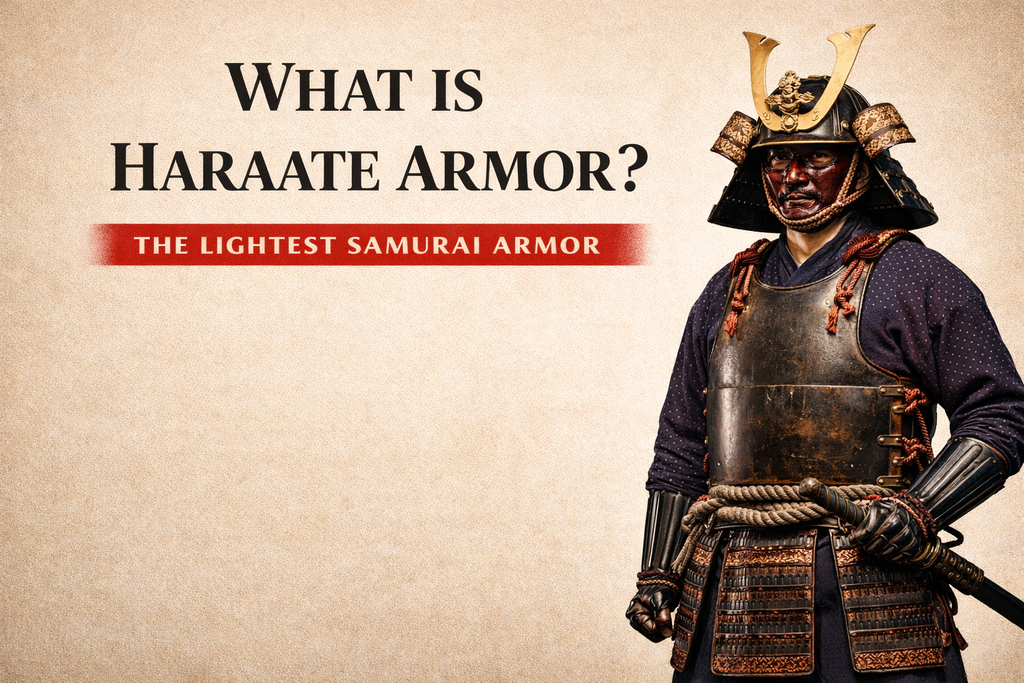
Haraate Complete guide to understand the lightest Japanese Armor
The haraate is one of the lightest and simplest forms of Japanese armor, designed primarily to protect the abdomen and torso while maximizing mobility. Originally favored by lower-ranking warriors, attendants, scouts, and lightly equipped soldiers, haraate provided essential protection without the weight and complexity of a full suit of armor. Its minimalist design made it practical for a wide range of military and non-military... -
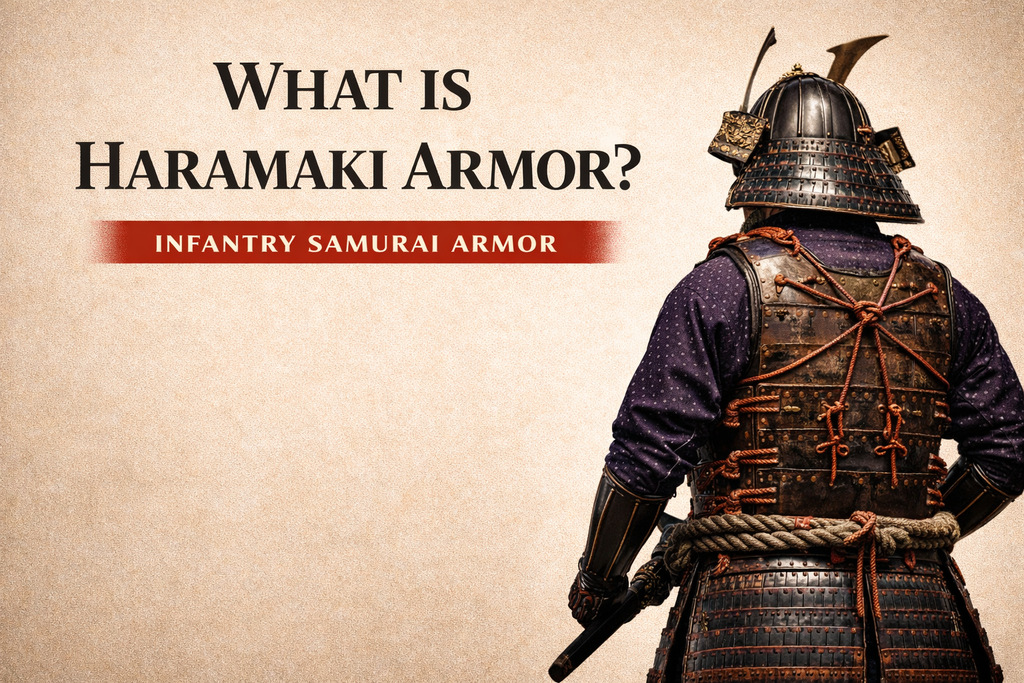
Haramaki : Everything you need to know about this infantry Japanese Armor
The haramaki is a distinctive type of Japanese armor that wraps around the torso and fastens at the back, offering a practical balance of protection, comfort, and mobility. Originally favored by foot soldiers and lower-ranking warriors, the haramaki gradually gained popularity among samurai as warfare evolved and greater flexibility became essential on the battlefield. Compared to the larger and more elaborate Ō-Yoroi, the haramaki... -
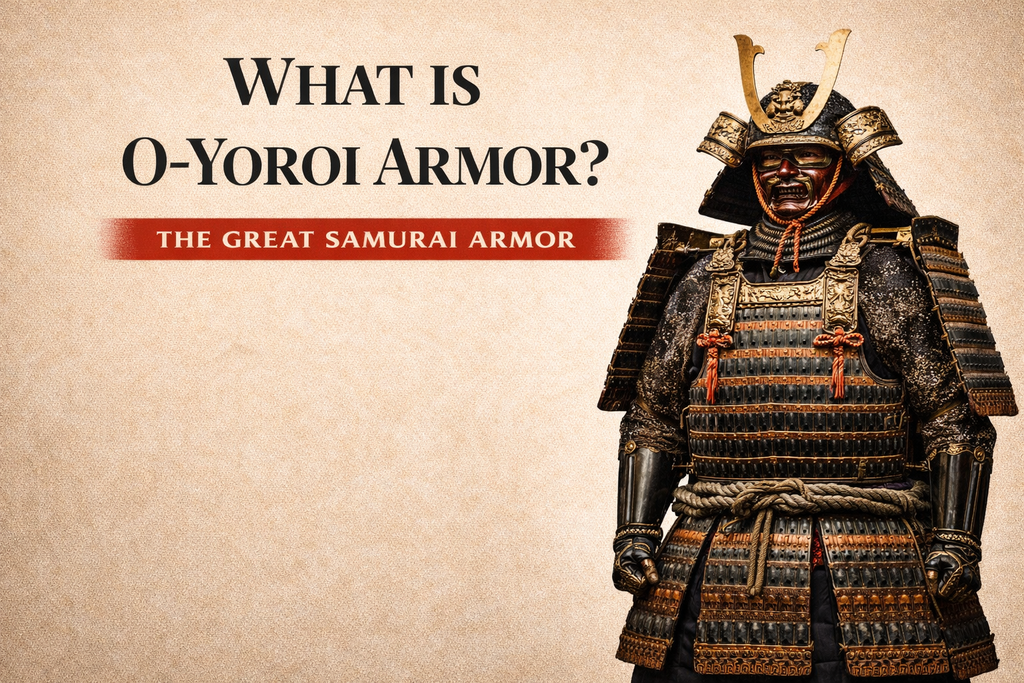
Oyoroi Complete guide to understand the Japanese Great Armor
The Ō-Yoroi ("Great Armor") is one of the most famous and visually striking forms of samurai armor ever created. Developed during Japan's early feudal period, it was specifically designed for mounted warriors and archers, providing extensive protection while showcasing the wealth and status of its wearer. Characterized by large shoulder guards, elaborate lacing, and a box-like silhouette, Ō-Yoroi became a symbol of the samurai... -
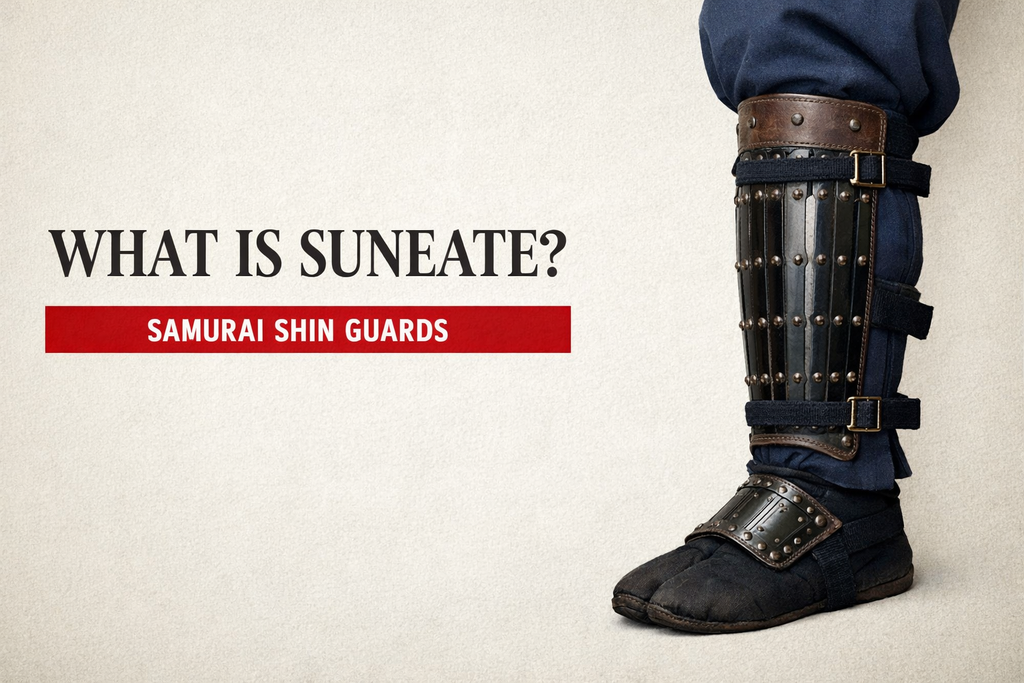
Introduce the Samurai armor shin guard suneate the history and types
The suneate are the shin guards of samurai armor, designed to protect the lower legs from cuts, impacts, and battlefield hazards while allowing freedom of movement. Typically constructed from iron or steel splints attached to a cloth backing and secured with cords, suneate offered an effective balance between protection and mobility. Over time, different styles emerged to suit changing armor designs and combat requirements.... -
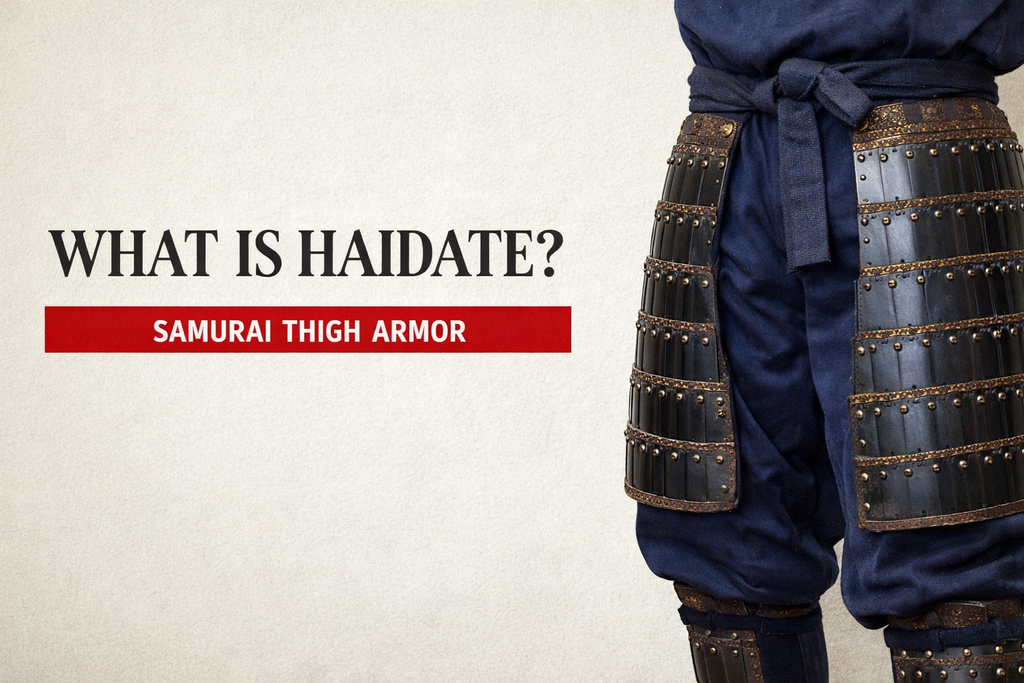
Introduce the Samurai Leg Armor Haidate History and types
The haidate are the armored thigh guards of samurai armor, designed to protect the upper legs without restricting movement. Typically worn around the waist and draped over the thighs, haidate combined cloth backing with iron plates, chain mail, or small armor scales to provide flexible protection against cuts, arrows, and battlefield hazards. As Japanese armor evolved, various styles of haidate emerged to balance defense,... -
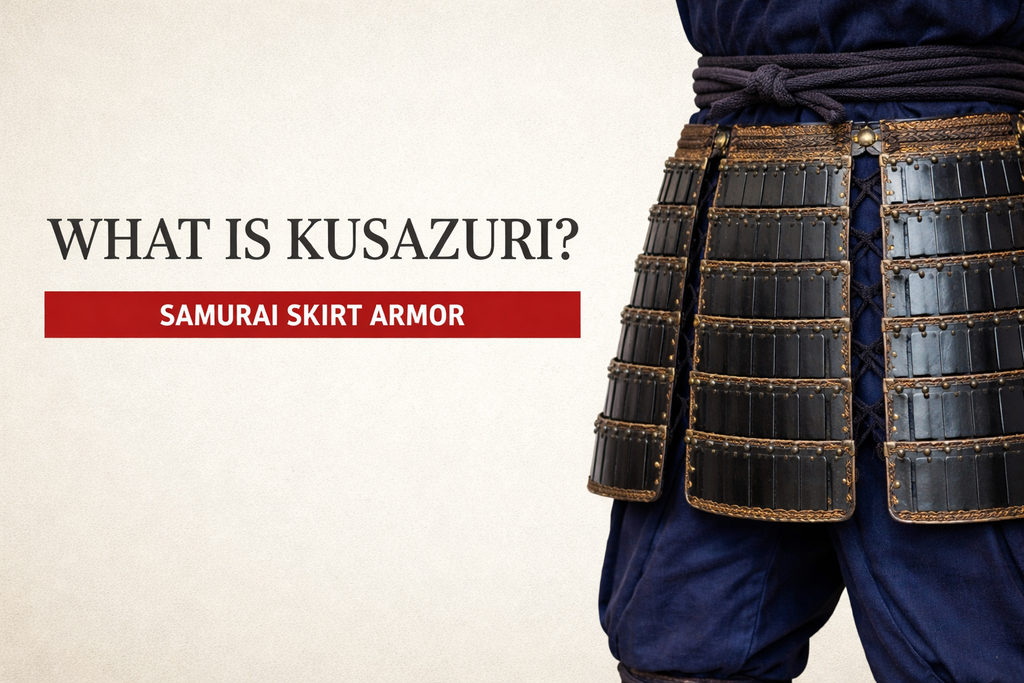
Introduce the samurai armor Kusazuri History and types
The kusazuri are the skirt-like armor plates attached to the lower edge of a samurai's dō (cuirass), designed to protect the hips, thighs, and upper legs without restricting movement. Constructed from laced lamellar plates or iron scales, kusazuri provided vital protection against cuts, thrusts, and missile weapons while allowing warriors to walk, ride, and fight effectively. As Japanese armor evolved, the design and arrangement... -
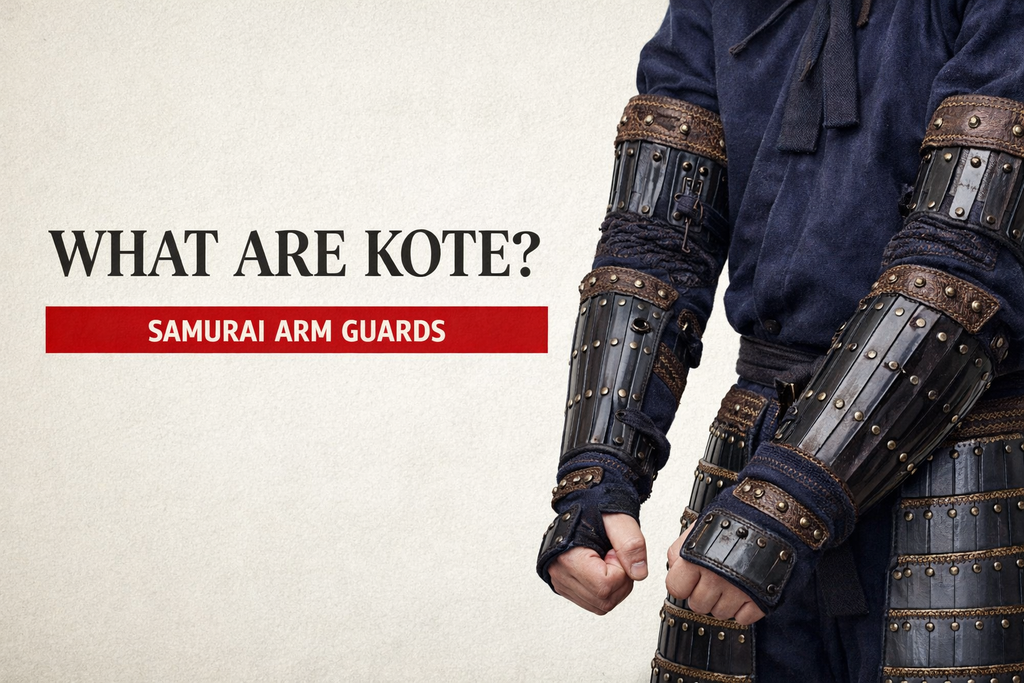
Introduce the Samurai Arm Armor Kote: History and Types
The kote are the armored sleeves of samurai armor, designed to protect the arms, elbows, forearms, and hands without sacrificing mobility. Typically constructed from cloth, chain mail, and iron plates sewn together, kote provided flexible protection against cuts, arrows, and battlefield injuries while allowing warriors to wield weapons effectively. Over time, many different styles of kote emerged, reflecting changes in warfare, armor design, and... -
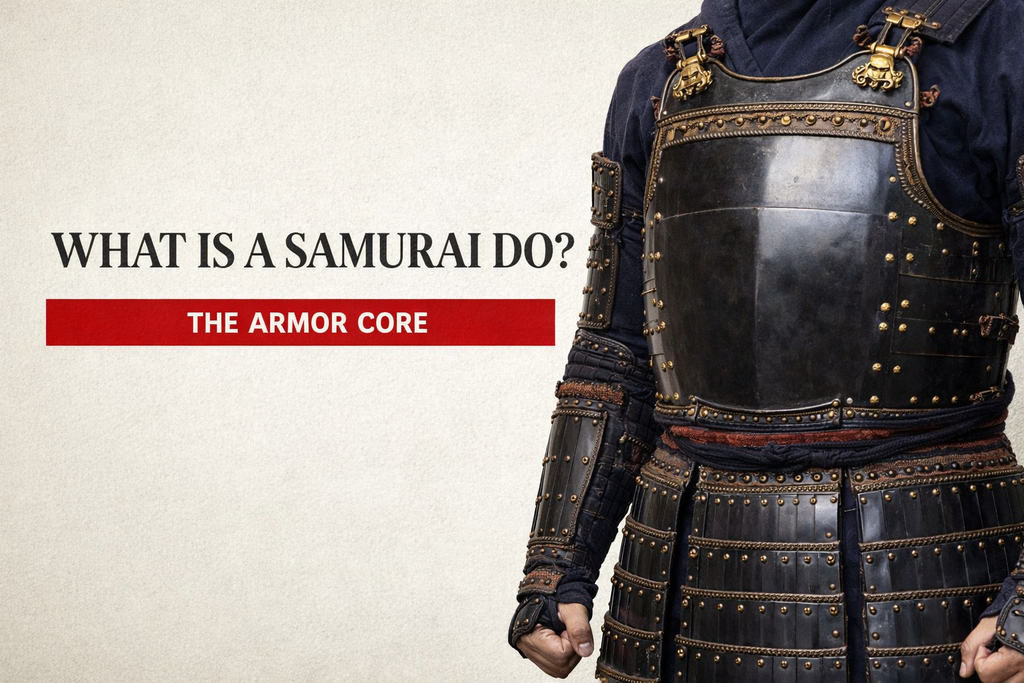
Introduction the Samurai armor Chest Plate History and Different Types
The dō is the cuirass, or main body armor, of a samurai suit and serves as the central protective component around which the rest of the armor is built. Designed to shield the chest, abdomen, and back, the dō evolved significantly over centuries as weapons, tactics, and battlefield conditions changed. From the lamellar cuirasses of early Ō-Yoroi armor to the iron-plated Tōsei Gusoku of...
