






-11%
Custom Your Own Katana
$180.00
$160.00


-18%
The Surudoi Handmade Katana Extra Sharp Spring Steel Unokubi-Zukuri
$189.00
from $155.00


-28%
The Giyuu Tomioka Handmade Katana Clay Tempered T10 Steel From Demon Slayer
$208.00
from $150.00
-
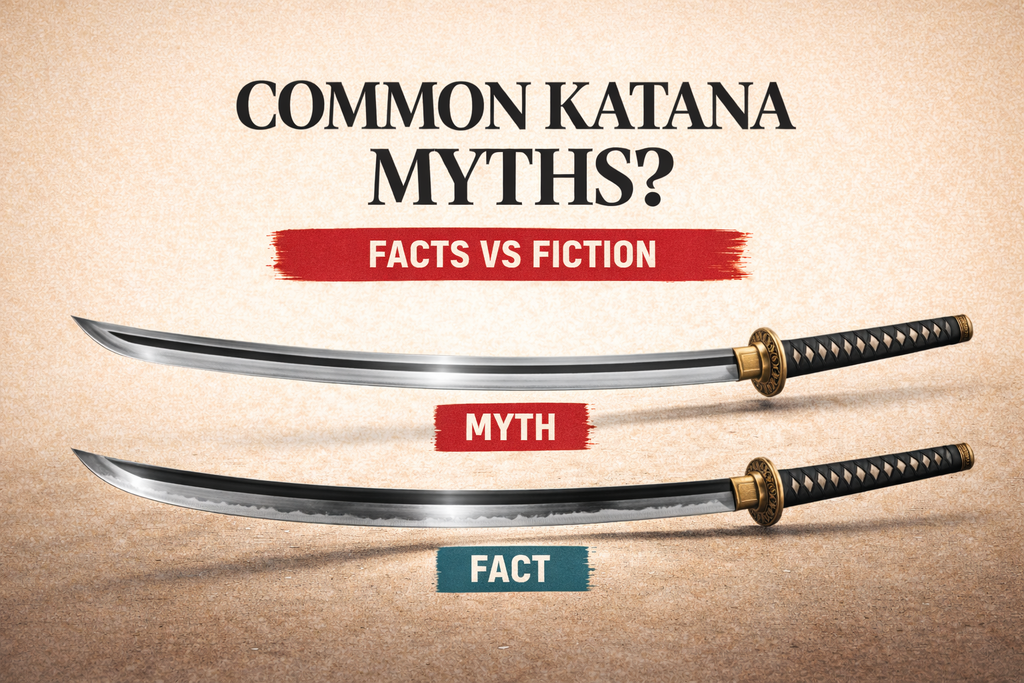
Common Myths and Facts About Japanese Katanas
The katana is one of the most famous swords in history, but it is also surrounded by countless myths and misconceptions. From claims that it can cut through anything to stories of thousands of folds and supernatural sharpness, separating fact from fiction can be difficult. This guide examines some of the most common myths about Japanese katanas and compares them with historical evidence, traditional... -
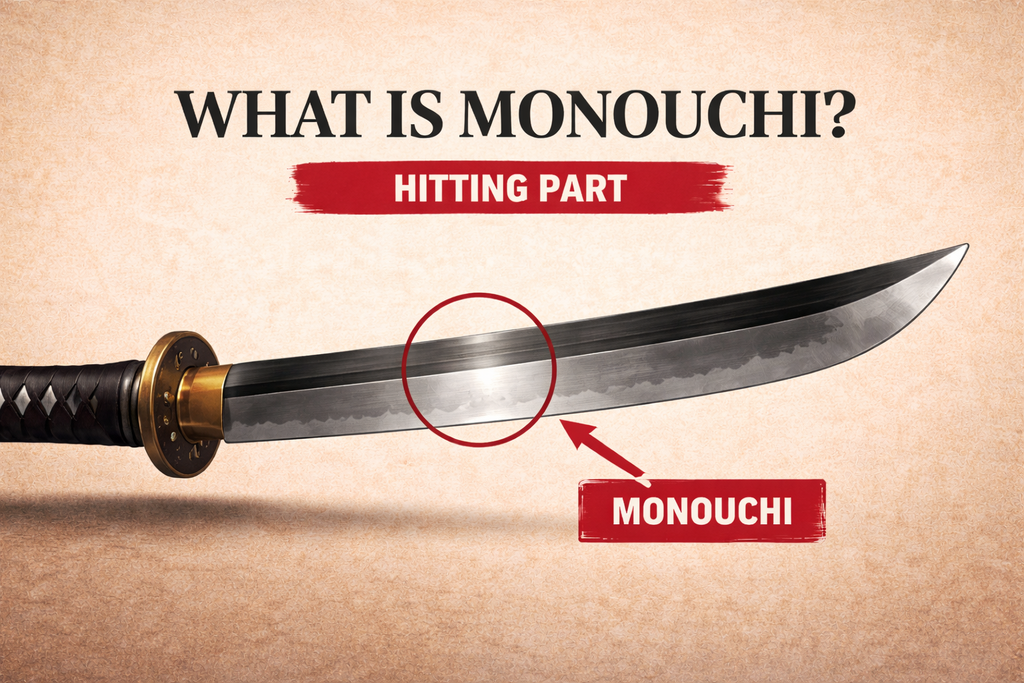
Katana Monouchi The hitting part on the sword blade you should know
The monouchi is the portion of a katana blade closest to the tip and is widely regarded as the sword's most effective cutting area. Traditionally used as the primary contact point during cuts, the monouchi offers an ideal balance of speed, leverage, and edge alignment, allowing skilled swordsmen to achieve clean and efficient strikes. This guide explores the location, function, and historical significance of... -
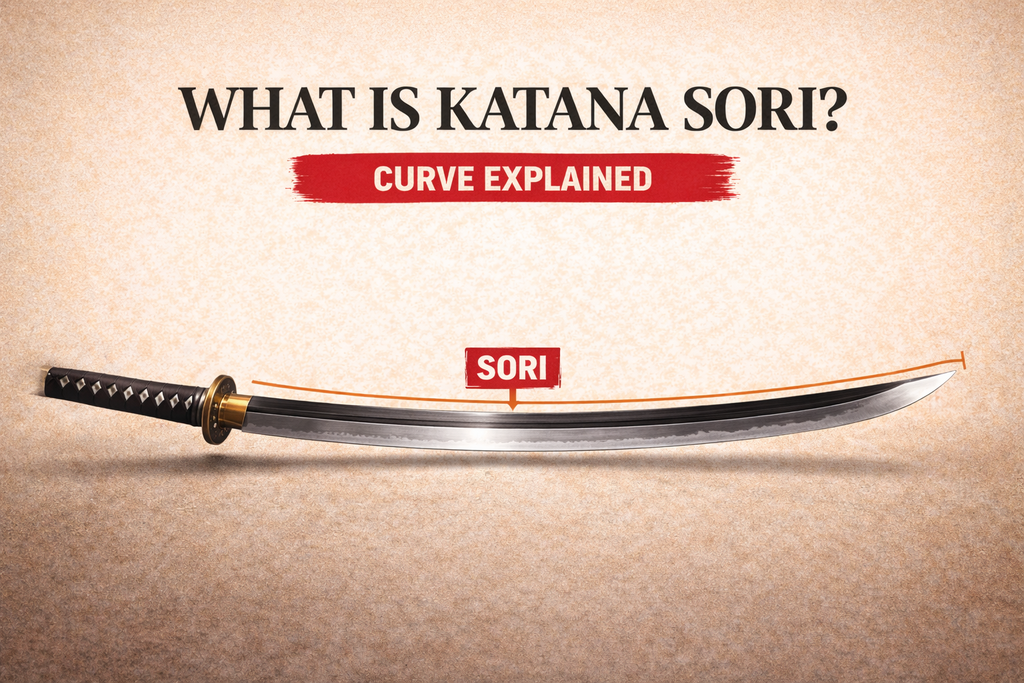
Katana Sori The distinctive curve that makes samurai sword unique
The sori is the characteristic curvature of a katana blade and one of the most recognizable features of a Japanese sword. More than an aesthetic detail, the curve influences cutting efficiency, drawing speed, handling, and overall balance. Developed through centuries of battlefield experience and refined swordsmithing techniques, different styles of sori emerged to suit various periods and combat needs. This guide explores how sori... -
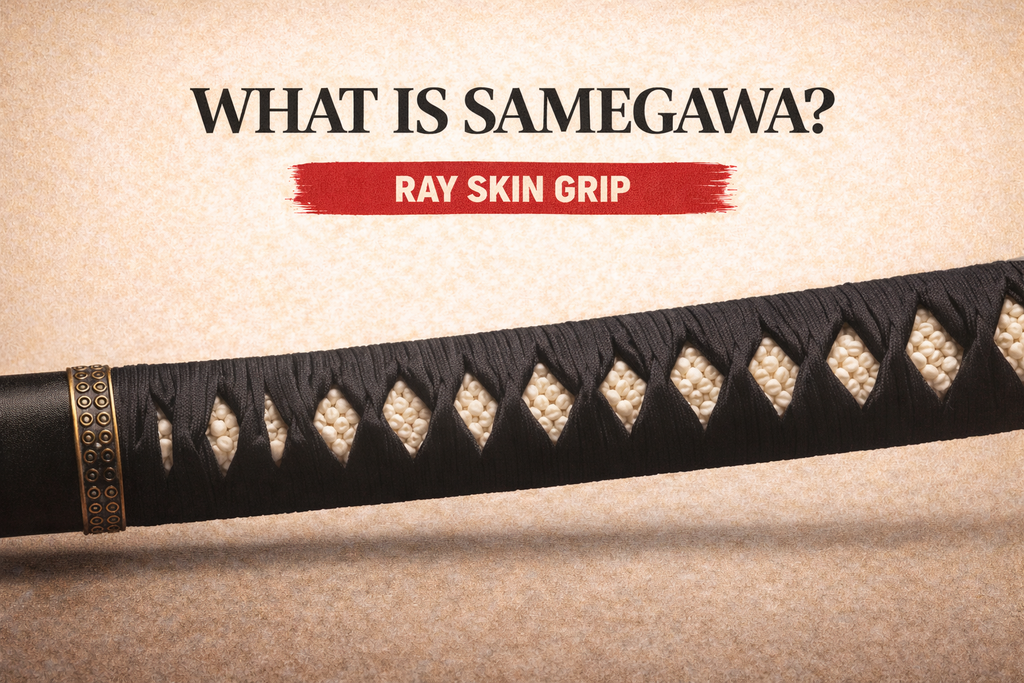
Katana Samegawa Ray skin on the tsuka that provides comfortable grip
Samegawa, or ray skin, is the textured material traditionally wrapped around the wooden core of a katana's tsuka (handle). Valued for its durability, natural grip, and distinctive appearance, samegawa helps reinforce the handle while providing a stable foundation for the tsuka ito wrapping. For centuries, Japanese swordsmiths and craftsmen have used ray skin to enhance both the function and beauty of samurai swords. This... -
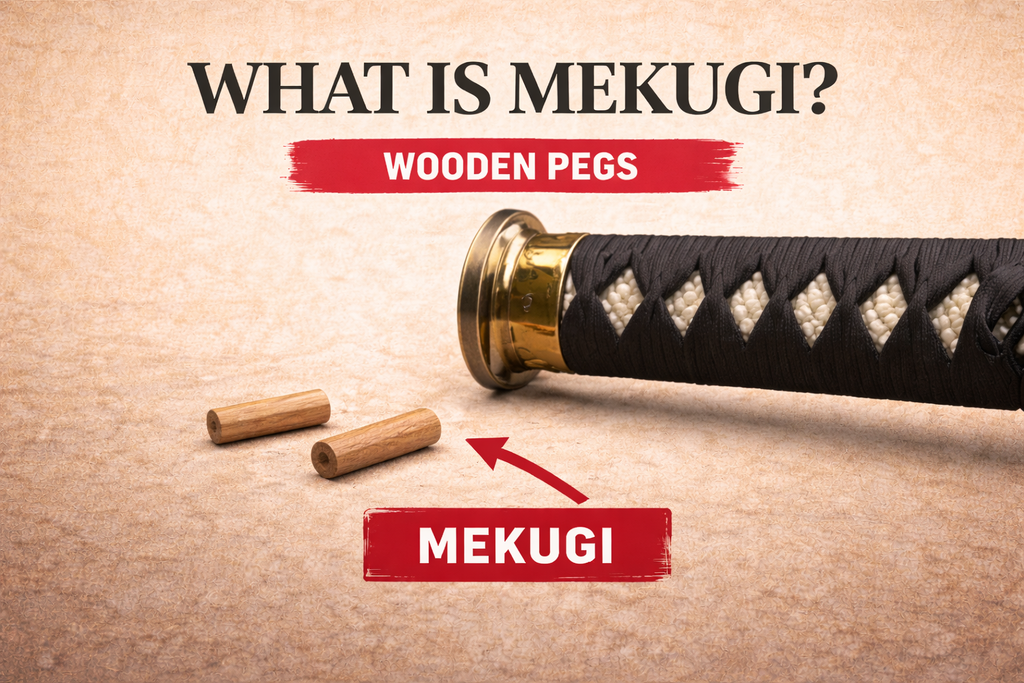
Katana Mekugi tiny wooden pegs that hold your samurai sword together
The mekugi are small pegs, traditionally made from bamboo, that secure a katana's tang (nakago) inside the handle (tsuka). Despite their simple appearance, these tiny components are among the most important safety features of a Japanese sword, preventing the blade from separating from the handle during use. Properly fitted mekugi allow the sword to remain secure while also making disassembly and maintenance possible. This... -
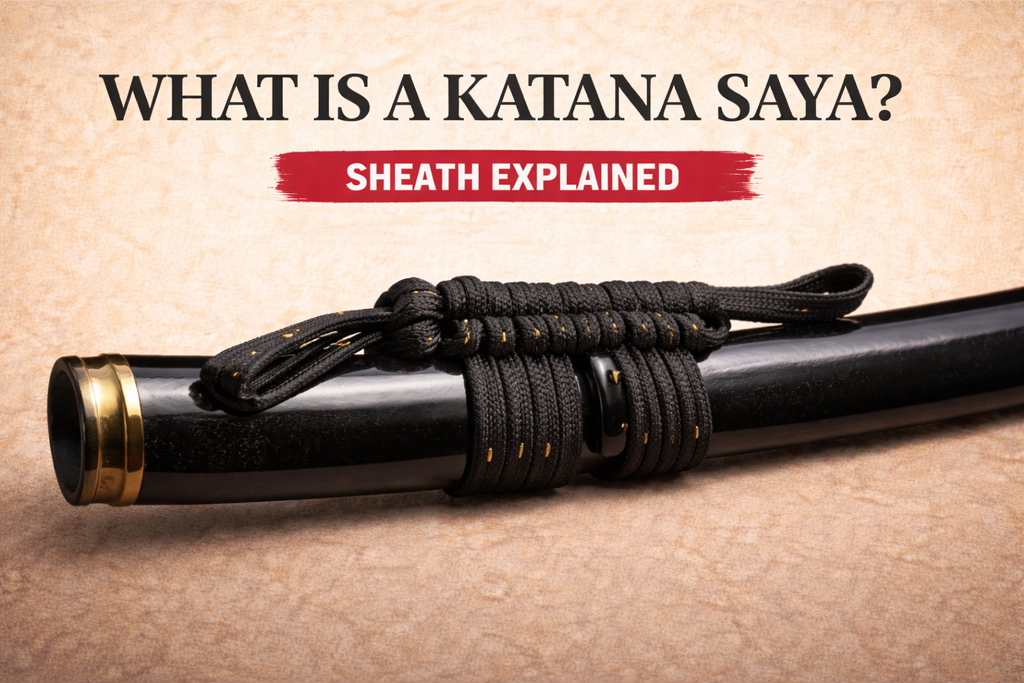
Katana Saya Complete guide to understand the sheath of the legendary samurai sword
The saya is the scabbard of a katana, designed to protect the blade, preserve its condition, and allow for smooth drawing and sheathing. Far more than a simple sheath, the saya is an essential part of a Japanese sword's function, featuring components such as the koiguchi, kurigata, kojiri, and sageo. Traditionally crafted from lightweight wood and carefully fitted to the blade, the saya plays... -
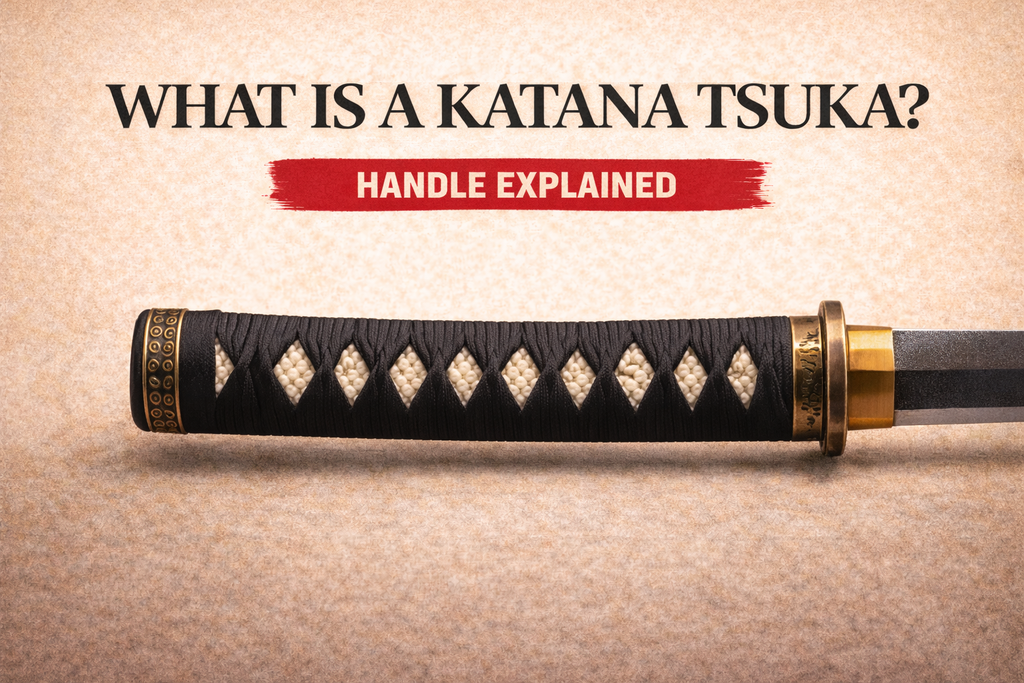
Katana Tsuka Introduction of the handle of Samurai Sword
The tsuka is the handle of a katana and one of the most important components of a Japanese sword. More than a simple grip, the tsuka houses the nakago (tang), supports the sword's fittings, and provides the control necessary for effective handling and cutting. Traditional tsuka are carefully crafted from wood, wrapped with samegawa and tsuka ito, and secured with mekugi to create a... -
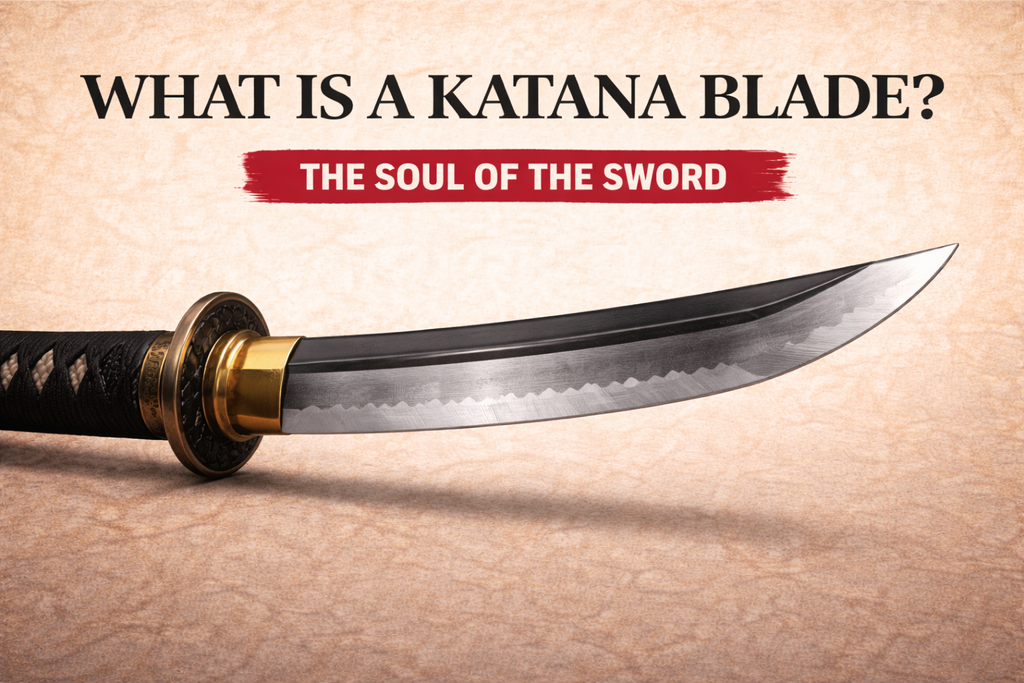
Katana Blade What you should know about the soul of this legendary weapon
The katana blade is the heart of the Japanese sword, renowned for its elegant curvature, exceptional cutting ability, and centuries of craftsmanship. More than just a sharpened piece of steel, every part of the blade—from the kissaki and hamon to the mune and nakago—reflects the skill of the swordsmith and the traditions of Japanese swordmaking. This guide explores the anatomy, construction, materials, and design... -
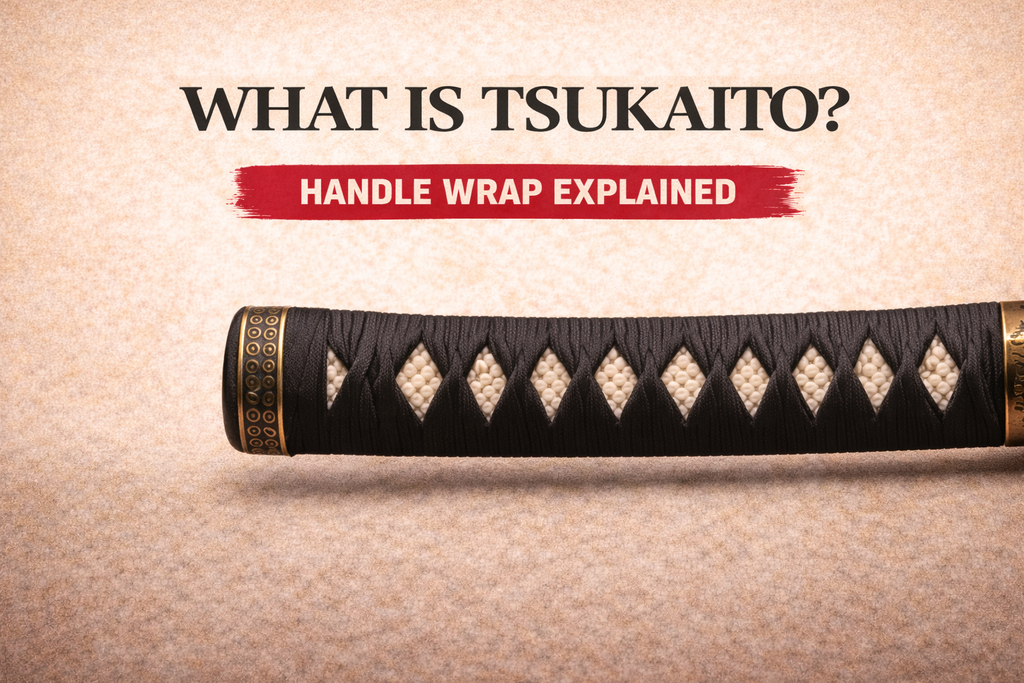
Tsukamaki the art of wrapping the katana handle
Tsuka ito is the cord used to wrap the handle (tsuka) of a katana, creating the distinctive diamond-shaped pattern seen on traditional Japanese swords. Far more than a decorative feature, proper tsuka wrapping improves grip security, enhances comfort, helps retain the menuki, and contributes to the sword's overall durability. This guide explores the history of tsukamaki (handle wrapping), the most common wrapping styles, materials... -
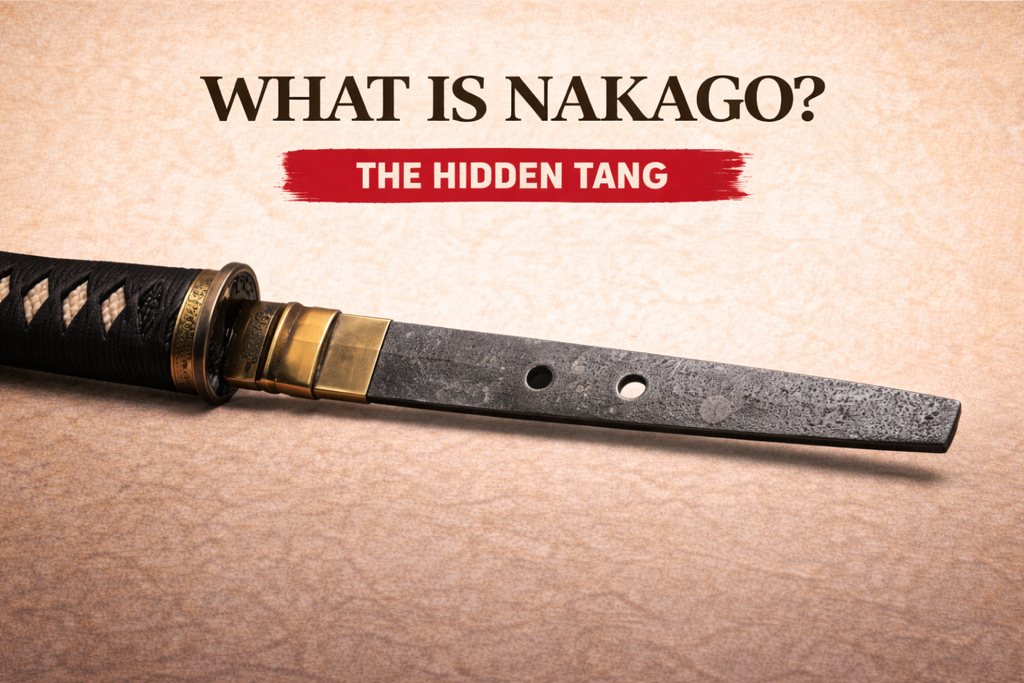
Katana Nakago The tang of the sword hides more secrets than you thought
The nakago is the tang of a katana—the portion of the blade hidden inside the handle that serves as the sword's structural backbone. While rarely seen, the nakago is one of the most important parts of a Japanese sword, providing strength, balance, and durability while also preserving valuable historical information. Swordsmith signatures, dates, filing marks, and other clues are often found on the nakago,...
