






-11%
Custom Your Own Katana
$180.00
$160.00


-18%
The Surudoi Handmade Katana Extra Sharp Spring Steel Unokubi-Zukuri
$189.00
from $155.00


-28%
The Giyuu Tomioka Handmade Katana Clay Tempered T10 Steel From Demon Slayer
$208.00
from $150.00
-
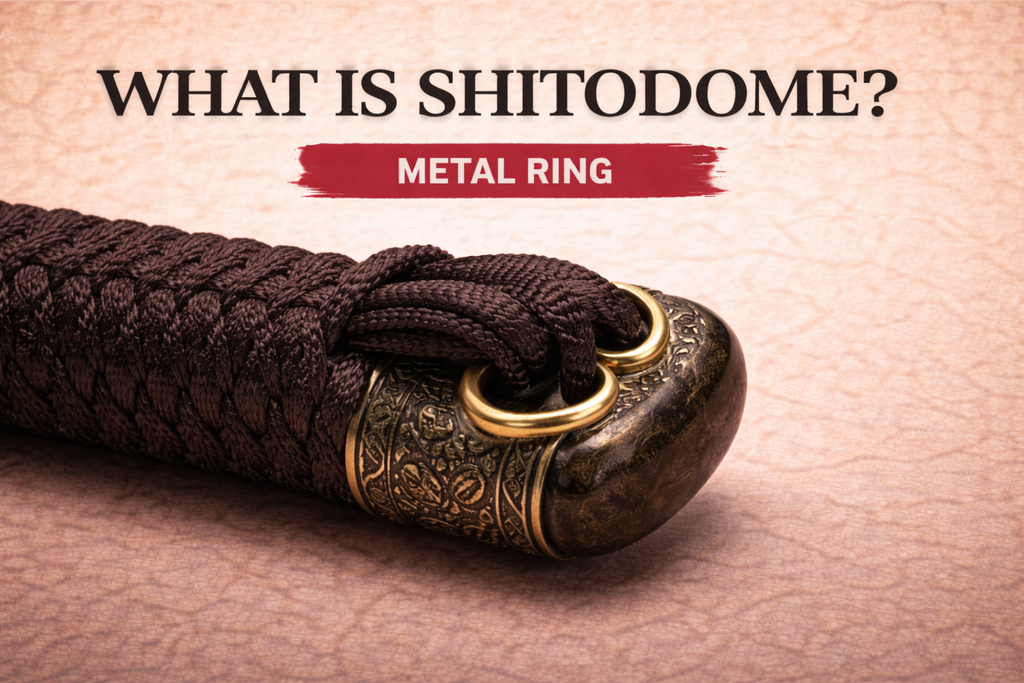
Katana Shitodome Everything you need to know about this little metal ring
The shitodome is a small decorative metal ring fitted into openings on a katana's fittings, most commonly the kurikata on the saya or the kashira on the handle. Although often overlooked due to its size, the shitodome helps protect cords from wear, reinforces mounting points, and adds an elegant finishing touch to the sword's overall appearance. This guide explores the history, materials, functions, and... -
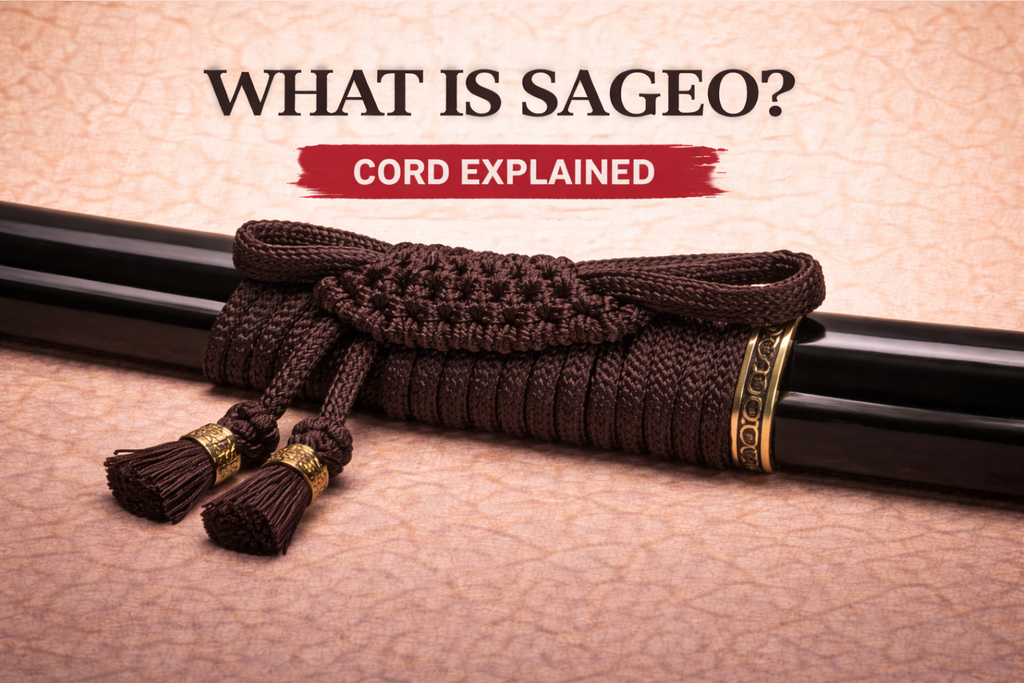
Katana Sageo One of the most important accessories on samurai sword you should know
The sageo is the cord attached to a katana's saya (scabbard), traditionally used to secure the sword to a samurai's belt and assist with various sword-handling techniques. Though often viewed as a simple accessory, the sageo played an important role in carrying, drawing, and presenting a Japanese sword. This guide explores the history of the sageo, its different materials and styles, common tying methods,... -
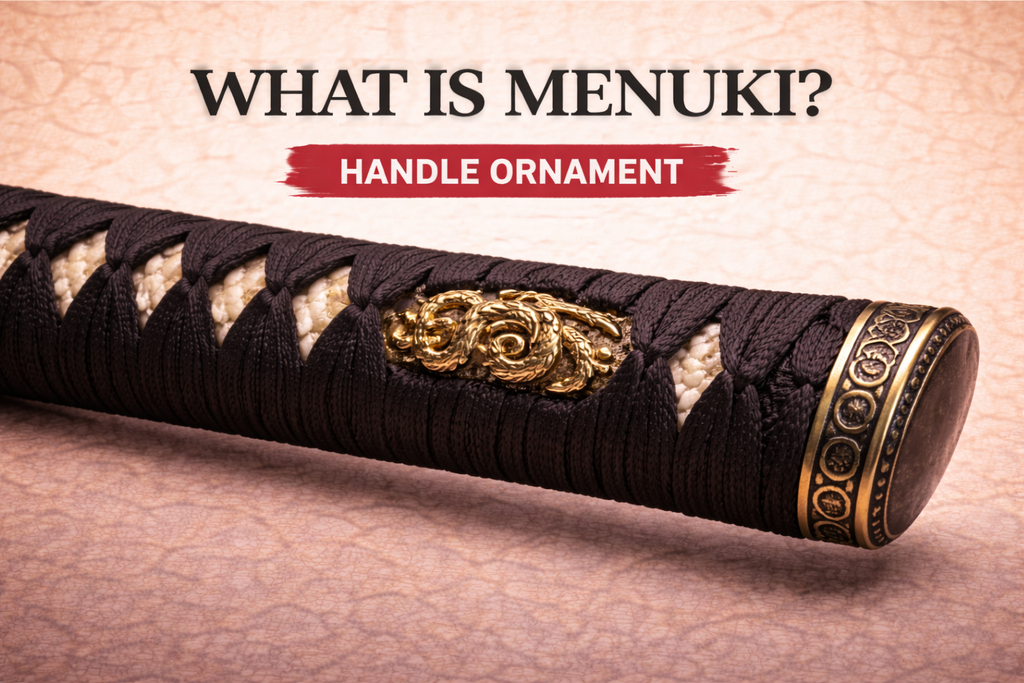
A guide to understand Katana Menuki, a pair of decorative ornaments on the tsuka
The menuki are a pair of decorative ornaments mounted beneath the handle wrapping of a katana. While admired for their artistic beauty and symbolic designs, menuki also serve a practical purpose by improving grip and comfort in the hand. This guide explores the history of katana menuki, their evolution from battlefield fittings to decorative artwork, the meanings behind common motifs, and their role in... -
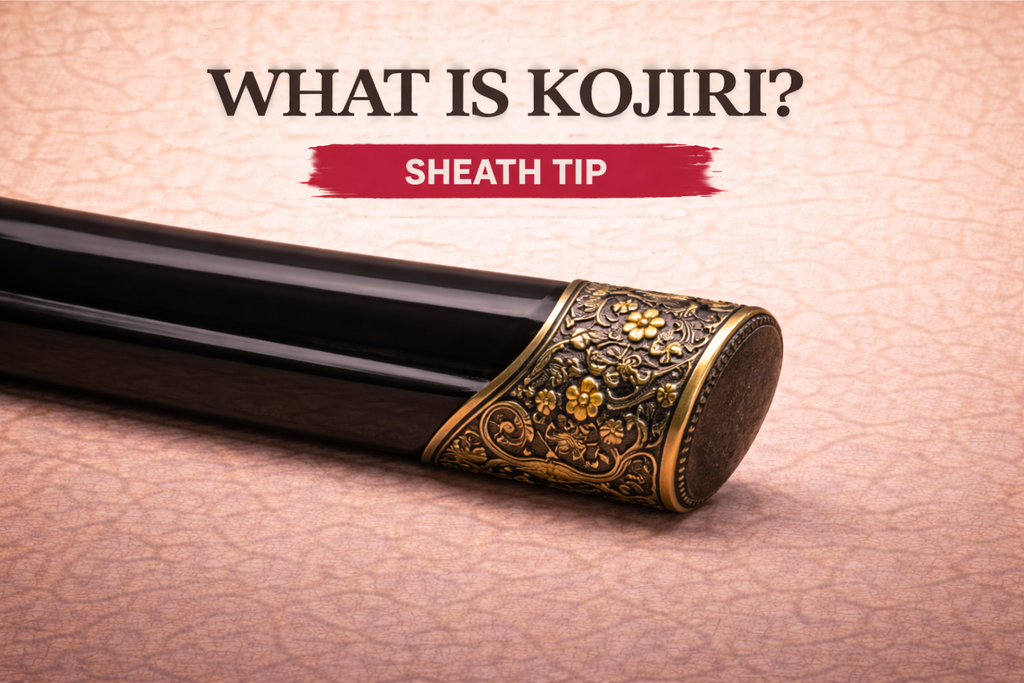
Katana Kojiri Another important katana part on the saya
The kojiri is the fitting attached to the end of a katana's saya (scabbard), serving both protective and decorative purposes. While small in size, it helps shield the tip of the scabbard from wear and impact, contributing to the sword's overall durability and appearance. This guide explores the history, function, materials, and design variations of the kojiri, and explains why this often-overlooked component remains... -
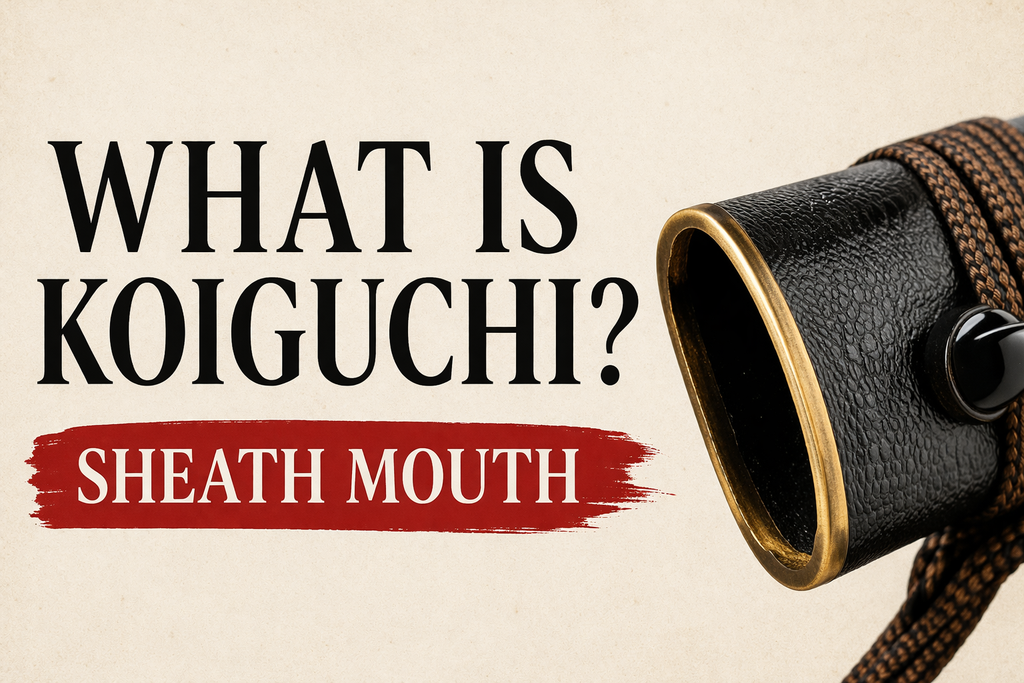
Katana Koiguchi everything you need to know about this part on a Katana
The koiguchi is the opening of a katana's saya (scabbard) where the blade enters and exits during drawing and sheathing. Though often overlooked, this small component plays a vital role in securing the sword, protecting the blade, and enabling smooth, controlled draws. This guide explores the anatomy of the koiguchi, the materials used in its construction, its importance in Japanese swordsmanship, and how proper... -
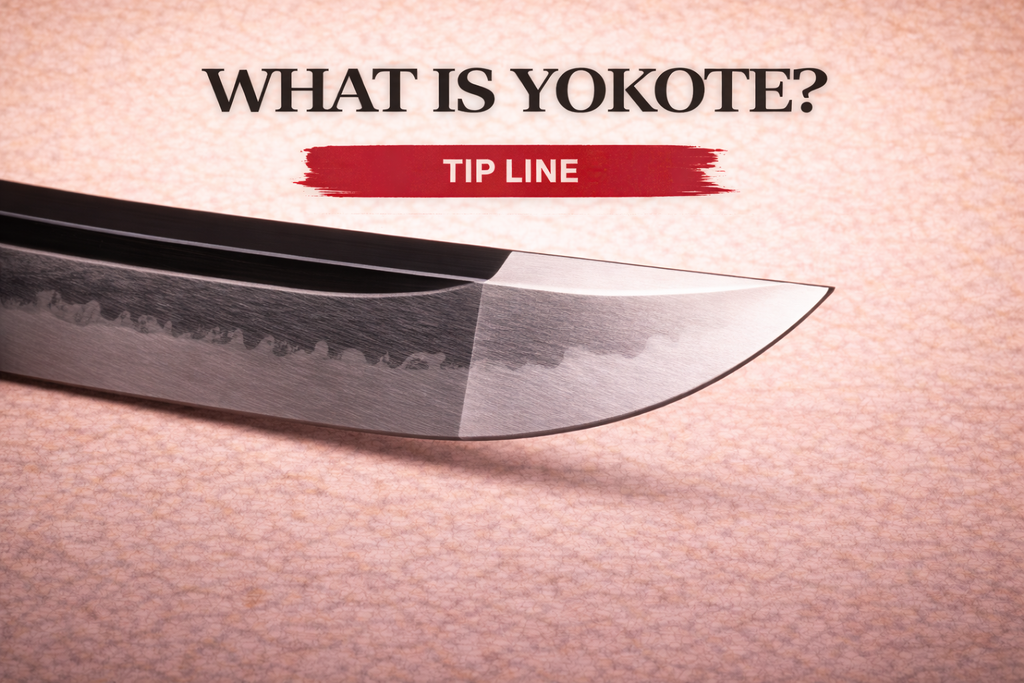
Katana Yokote complete guide to understand this line near the Kissaki
The yokote is the distinctive line that marks the transition between a katana's main blade and its tip, known as the kissaki. Far more than a decorative feature, the yokote helps define the blade's geometry, reinforces the tip for thrusting, and serves as a hallmark of traditional Japanese sword craftsmanship. This guide explores the history, function, and construction of the yokote, explains why some... -
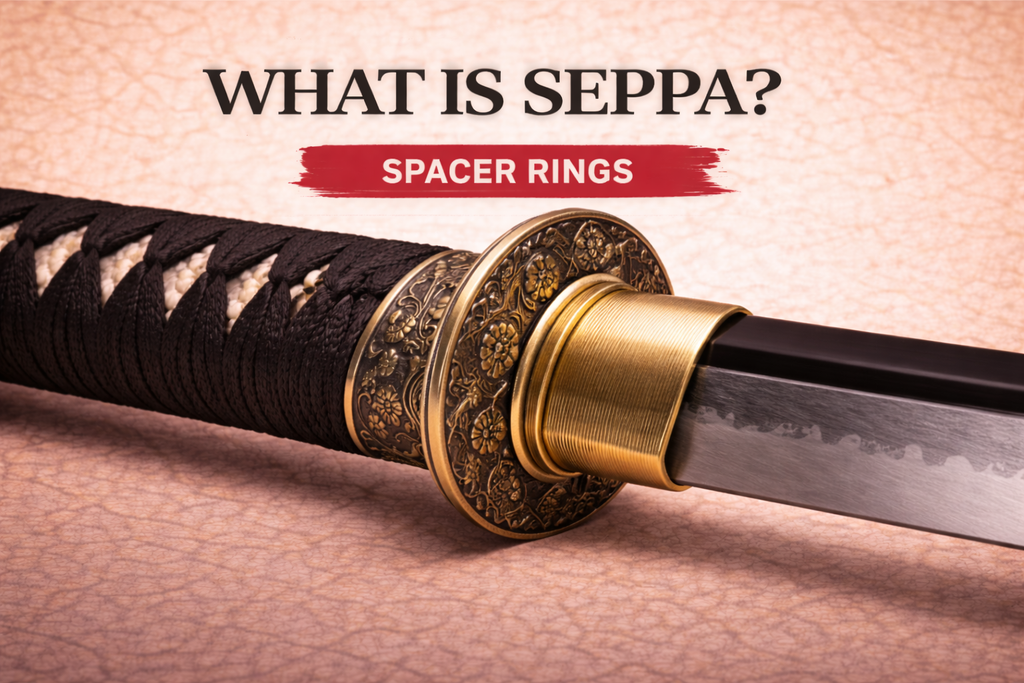
What is the Seppa on a Katana sword
The seppa is a small but important component of a katana's mounting system, positioned between the tsuba (guard) and other sword fittings. Acting as a precision spacer, it helps create a secure fit, prevents looseness, and ensures the sword's components remain tightly assembled during use. This guide explains the purpose of the seppa, its traditional materials, historical development, and why this often-overlooked part plays... -
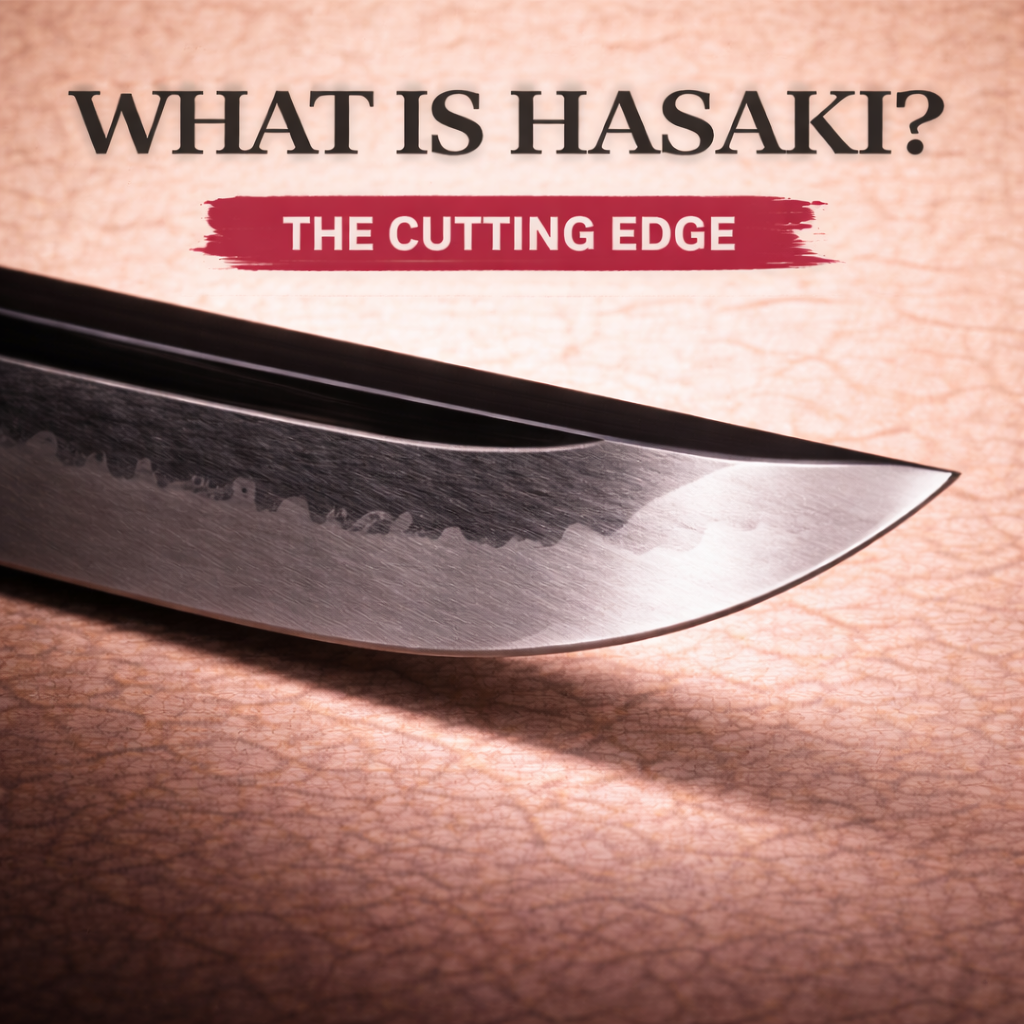
Katana Hasaki The cutting edge of a katana
The hasaki is the very edge of a katana—the fine cutting surface responsible for the sword's remarkable sharpness and cutting ability. While often confused with the broader ha (cutting edge), the hasaki refers specifically to the sharpened portion that makes contact during a cut. This guide explains the anatomy of the katana's edge, how the hasaki is formed during polishing, and why its geometry... -
Ha The sharp edge of a katana
The ha is the cutting edge of a katana and arguably the most important part of the blade. Created through the traditional differential hardening process, the ha combines sharpness, durability, and cutting efficiency, allowing the katana to perform its legendary cuts. This guide explores the anatomy of the ha, its relationship to the hamon and blade geometry, and why understanding the edge is essential... -

Katana Fuchi - What is this part and common knowledge about it
A guide for you to truly understand what Fuchi is, the common material, design and more
