






-11%
Custom Your Own Katana
$180.00
$160.00


-18%
The Surudoi Handmade Katana Extra Sharp Spring Steel Unokubi-Zukuri
$189.00
from $155.00


-28%
The Giyuu Tomioka Handmade Katana Clay Tempered T10 Steel From Demon Slayer
$208.00
from $150.00
-
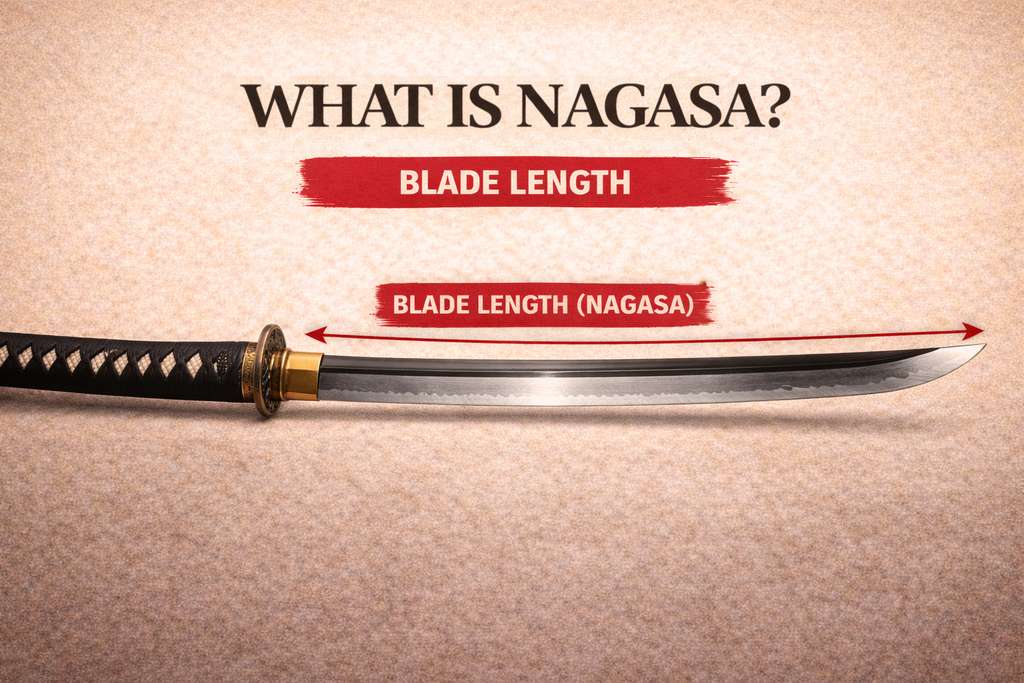
Katana Nagasa Know how to measure katana blade the right way
The nagasa is the official measurement of a katana's blade length and one of the most important specifications used in Japanese sword classification. Unlike overall sword length, the nagasa measures only the blade itself, following traditional methods that have been used for centuries by swordsmiths, collectors, and appraisers. This guide explains what the nagasa is, how to measure it correctly, common mistakes to avoid,... -
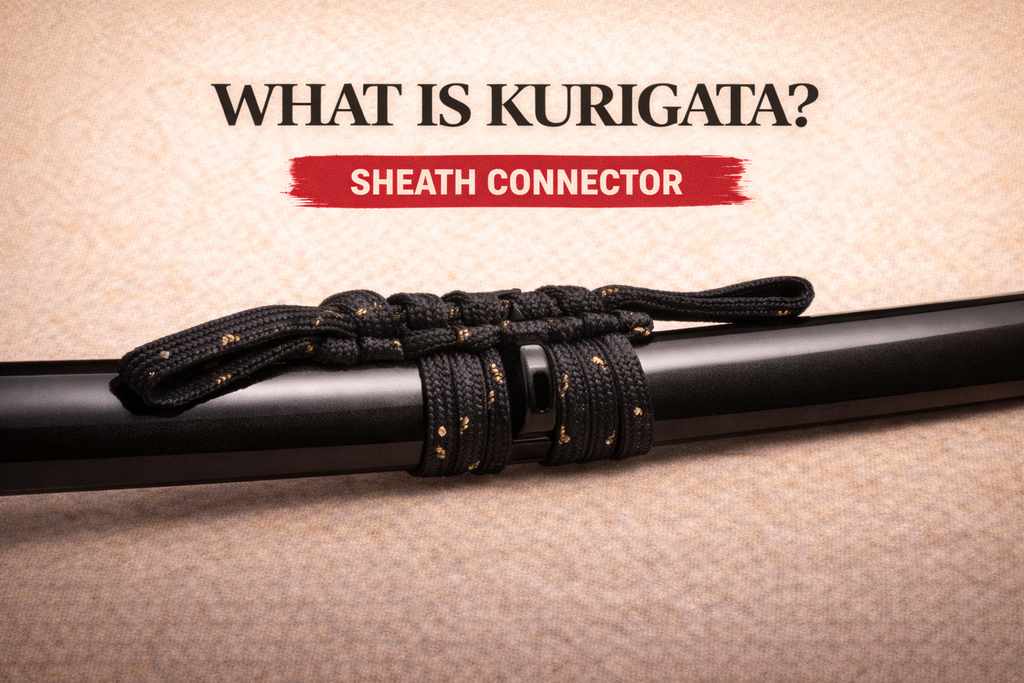
Kurigata a "Chestnut" that connects your katana with your obi
The kurigata is a small knob-like fitting attached to the side of a katana's saya (scabbard), serving as the anchor point for the sageo cord. Though easy to overlook, the kurigata plays a crucial role in how a samurai carried and secured his sword to the obi (belt). Without it, the sageo could not properly attach to the saya, making traditional methods of sword... -
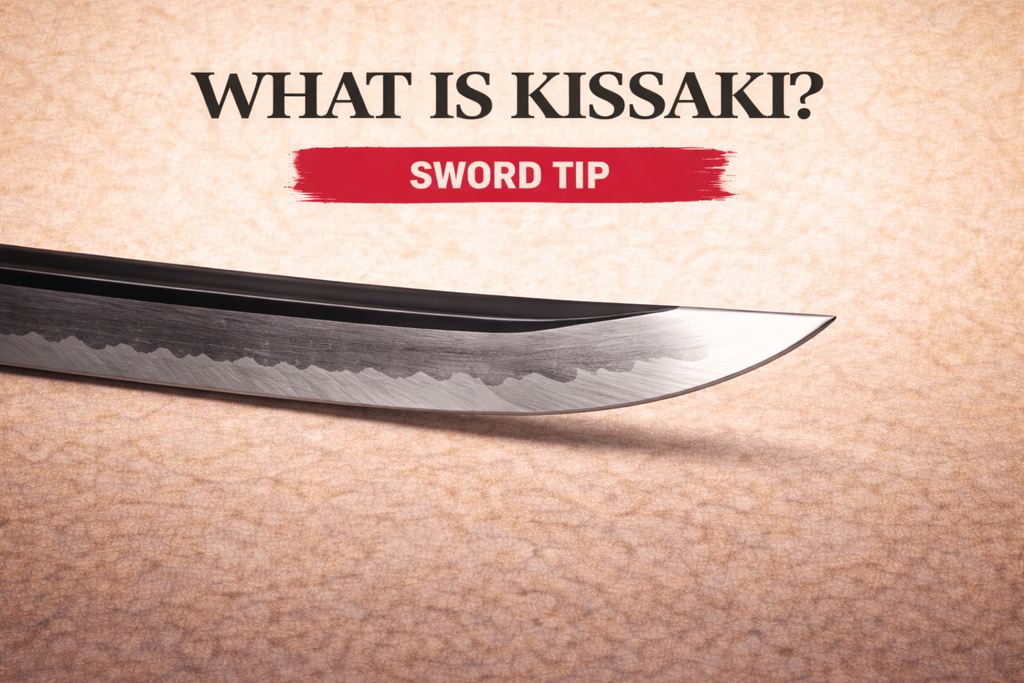
What you need to know about Katana Kissaki - The tip of Katana sword
The kissaki is the tip of a katana and one of the most distinctive features of a Japanese sword. Carefully shaped and polished, the kissaki plays a crucial role in thrusting performance, blade balance, and overall sword aesthetics. Over centuries, Japanese swordsmiths developed different kissaki styles, each reflecting the needs and artistic preferences of its era. This guide explores the anatomy of the kissaki,... -
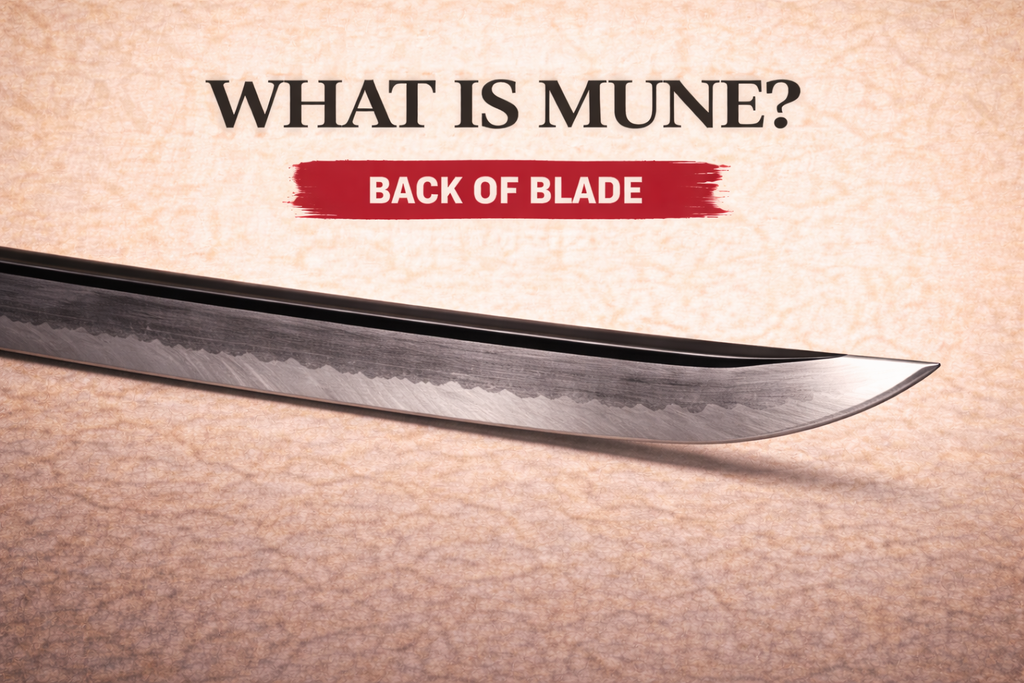
Katana Mune Definite guide to understand the back of samurai sword
The mune is the back, or spine, of a katana blade opposite the cutting edge. While it may not receive as much attention as the hamon or kissaki, the mune plays a crucial role in the sword's strength, balance, durability, and handling characteristics. Different mune shapes evolved throughout Japanese sword history, each offering unique structural and aesthetic qualities. This guide explores the anatomy of... -
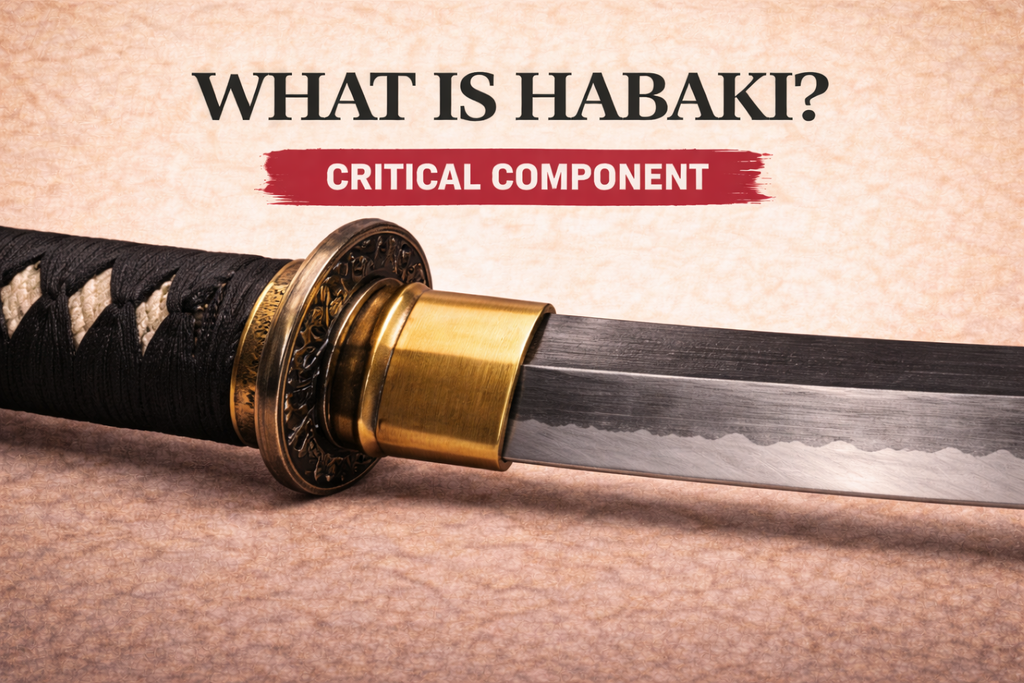
Katana Habaki A little component that will make or break your sword experience
The habaki is a small metal collar fitted at the base of a katana blade, but its importance far outweighs its size. Responsible for securing the sword inside the saya, supporting the tsuba and other fittings, and ensuring a smooth, controlled draw, the habaki is one of the most critical components of a Japanese sword. Without a properly fitted habaki, a katana can become... -
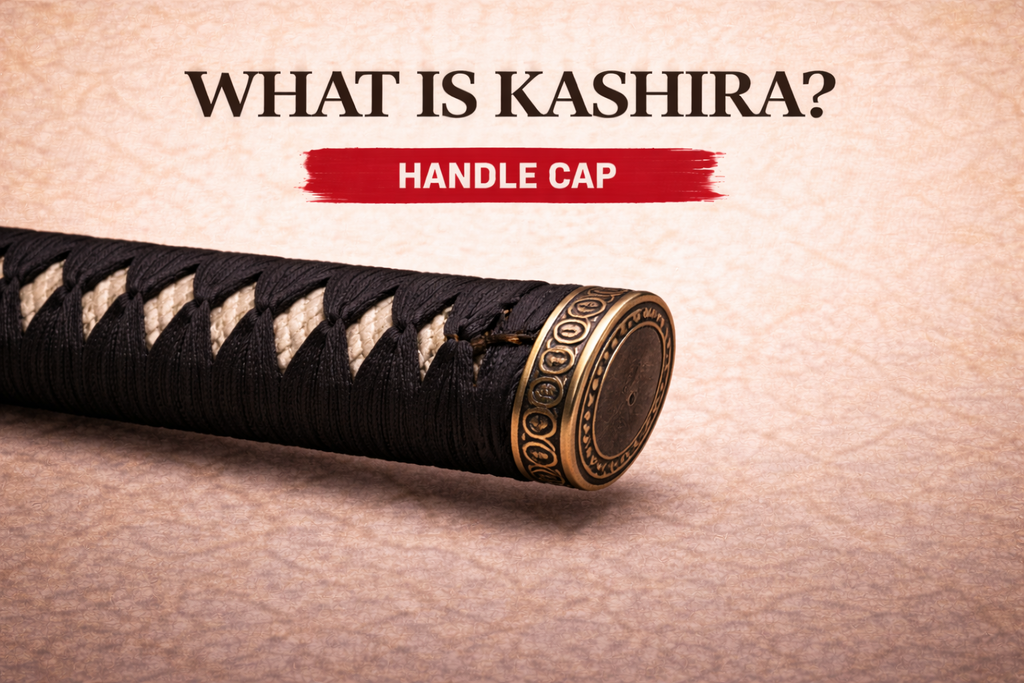
Katana Kashira The little cap at the bottom of the Tsuka
The kashira is the cap fitted to the end of a katana's tsuka (handle), serving both structural and decorative purposes. Though often overshadowed by more prominent sword components, the kashira plays an important role in securing the handle wrapping, protecting the end of the grip, and contributing to the overall balance and appearance of the sword. This guide explores the history, function, materials, and... -
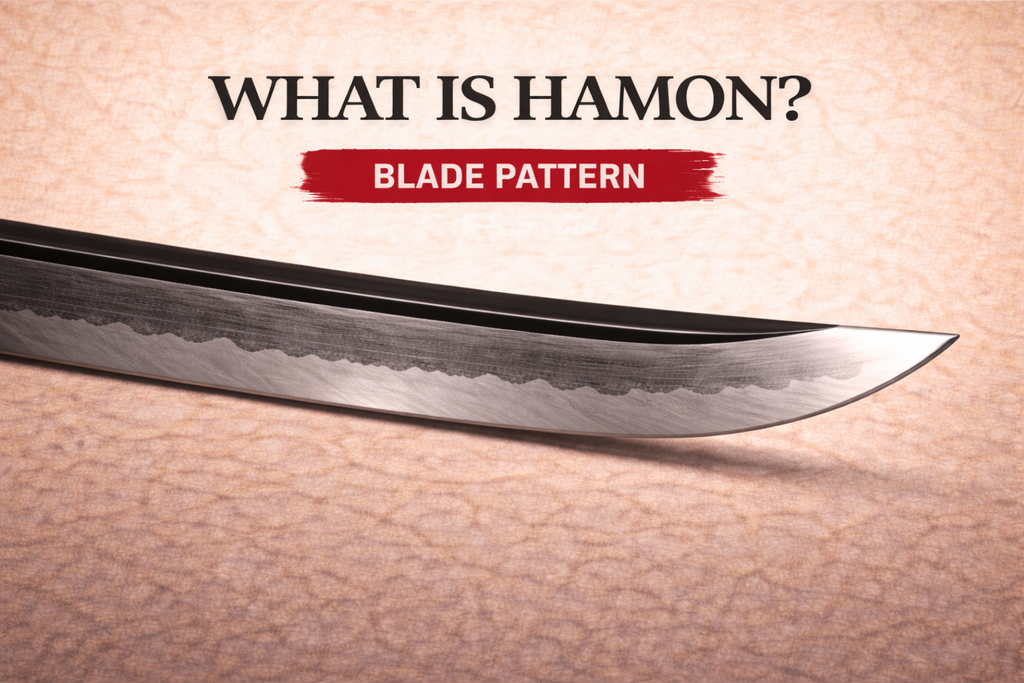
Katana Hamon learn more about this fascinating pattern on the katana blade
The hamon is the distinctive temper line that runs along the edge of a katana, appearing as a beautiful wave, straight line, or intricate pattern on the blade. Formed during the traditional differential hardening process, the hamon marks the boundary between the sword's hardened cutting edge and its softer, more flexible spine. Beyond its striking appearance, the hamon serves as evidence of a blade's... -
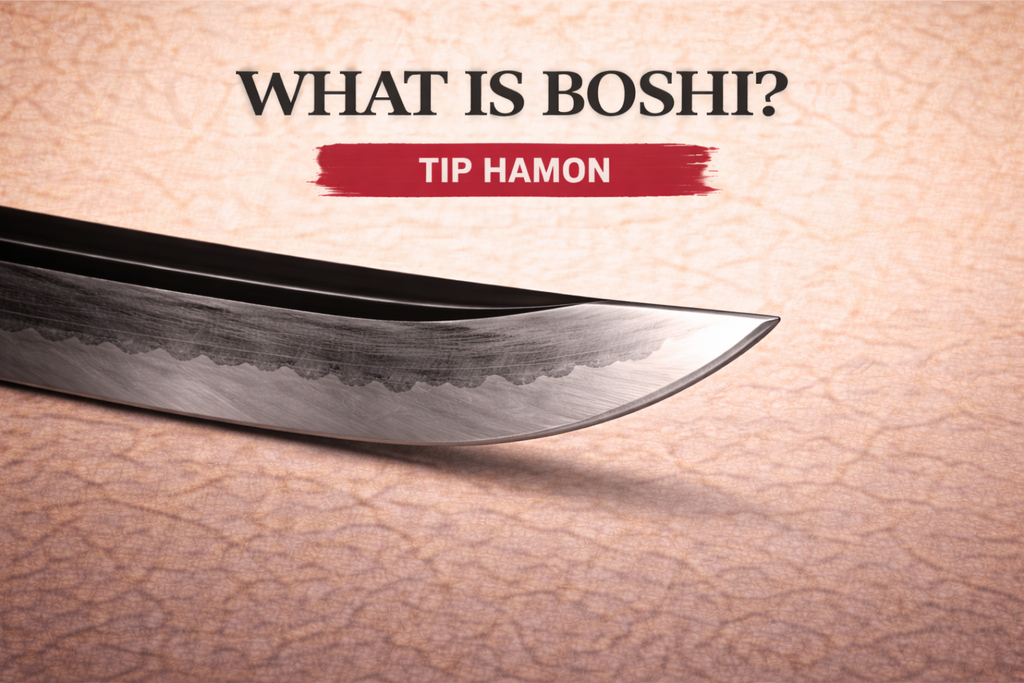
Katana Boshi Beauty of this little hamon line within the Kissaki
The boshi is the continuation of the hamon into the kissaki (tip) of a katana, creating one of the most intricate and admired features of a Japanese sword. Formed during the differential hardening process, the boshi not only contributes to the blade's strength and durability but also serves as an important indicator of a swordsmith's skill and craftsmanship. This guide explores the anatomy of... -
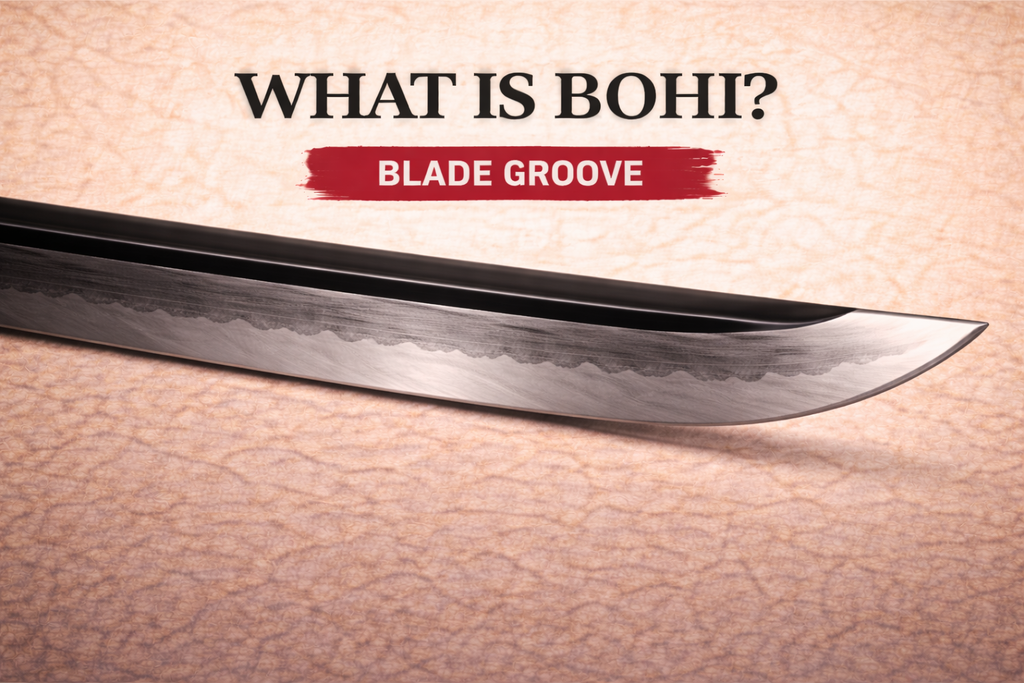
Katana Bohi Things you should know about this part
The bohi is a groove carved into the blade of a katana, often mistaken for a “blood groove.” In reality, its primary purpose is to reduce weight while maintaining much of the blade's structural integrity, creating a sword that feels faster and more responsive in the hand. A bohi can also enhance the distinctive tachikaze (sword wind) sound during a properly executed cut, making... -
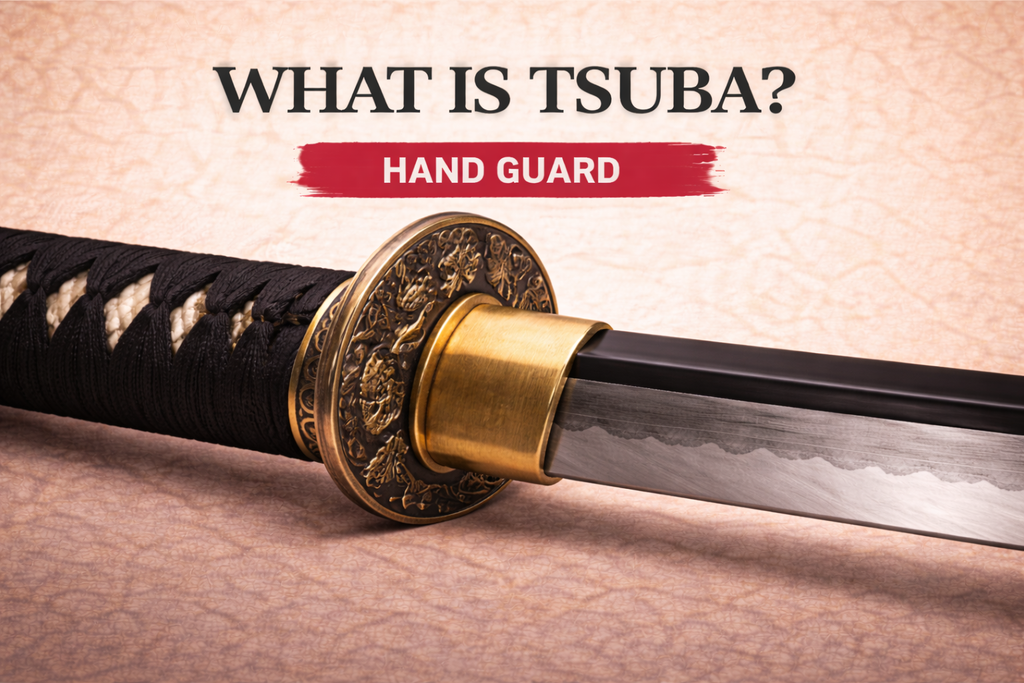
Katana Tsuba Definite guide to understand this sword part
The tsuba is the hand guard of a katana and one of the most recognizable parts of a Japanese sword. While its primary purpose is to prevent the hand from slipping onto the blade during use, the tsuba also contributes to balance, handling, and artistic expression. Over centuries, tsuba evolved from practical battlefield components into highly detailed works of art treasured by samurai and...
