






-11%
Custom Your Own Katana
$180.00
$160.00


-18%
The Surudoi Handmade Katana Extra Sharp Spring Steel Unokubi-Zukuri
$189.00
from $155.00


-28%
The Giyuu Tomioka Handmade Katana Clay Tempered T10 Steel From Demon Slayer
$208.00
from $150.00
-
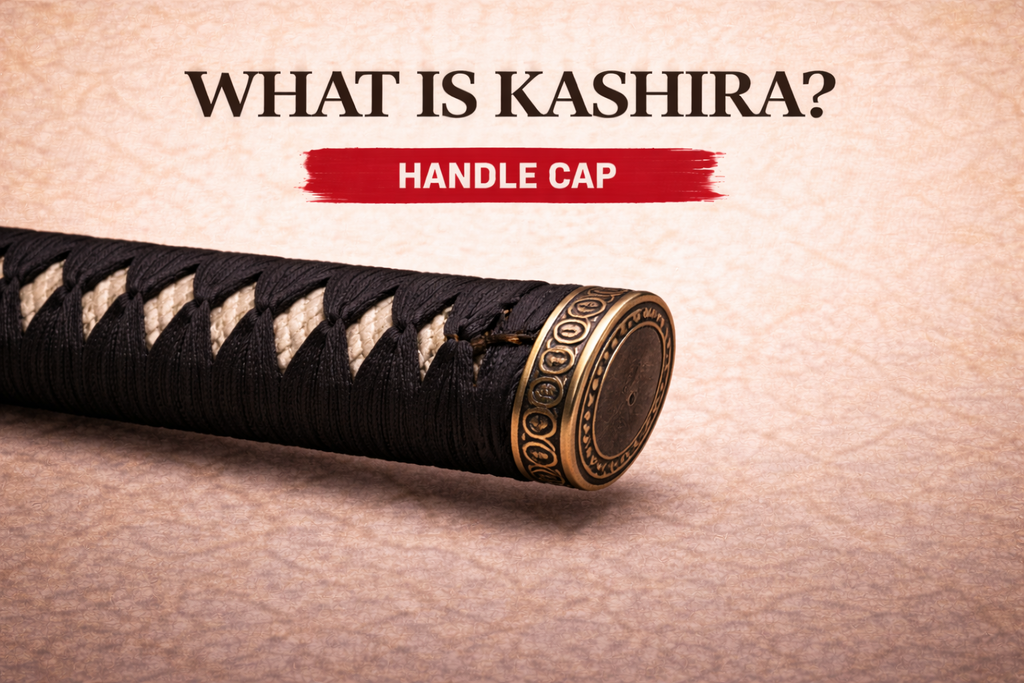
Katana Kashira The little cap at the bottom of the Tsuka
The kashira is the cap fitted to the end of a katana's tsuka (handle), serving both structural and decorative purposes. Though often overshadowed by more prominent sword components, the kashira plays an important role in securing the handle wrapping, protecting the end of the grip, and contributing to the overall balance and appearance of the sword. This guide explores the history, function, materials, and... -
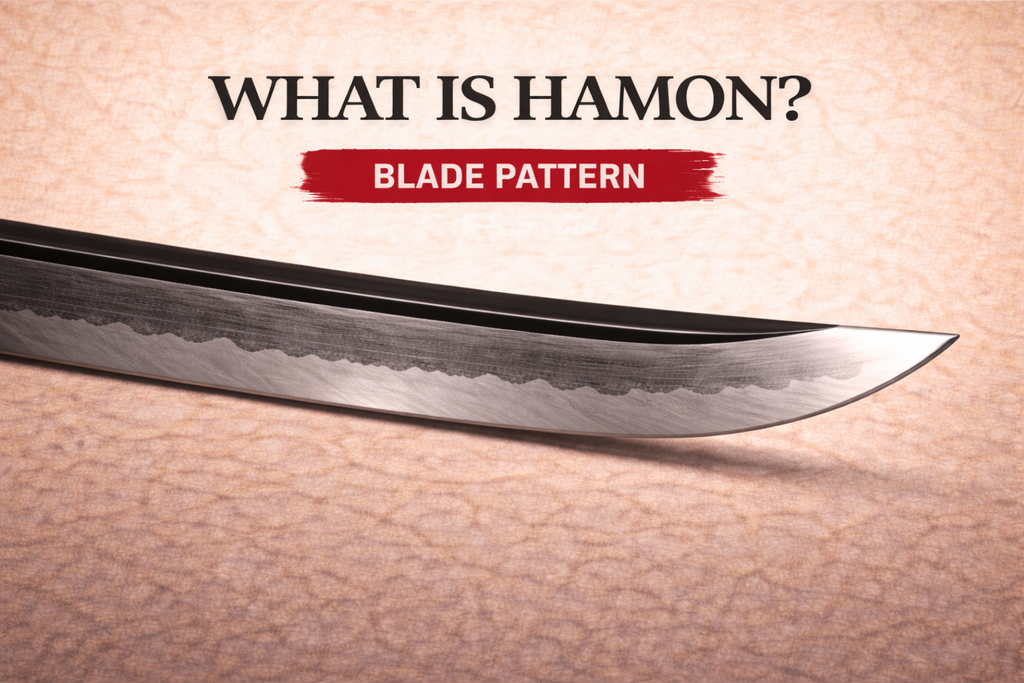
Katana Hamon learn more about this fascinating pattern on the katana blade
The hamon is the distinctive temper line that runs along the edge of a katana, appearing as a beautiful wave, straight line, or intricate pattern on the blade. Formed during the traditional differential hardening process, the hamon marks the boundary between the sword's hardened cutting edge and its softer, more flexible spine. Beyond its striking appearance, the hamon serves as evidence of a blade's... -
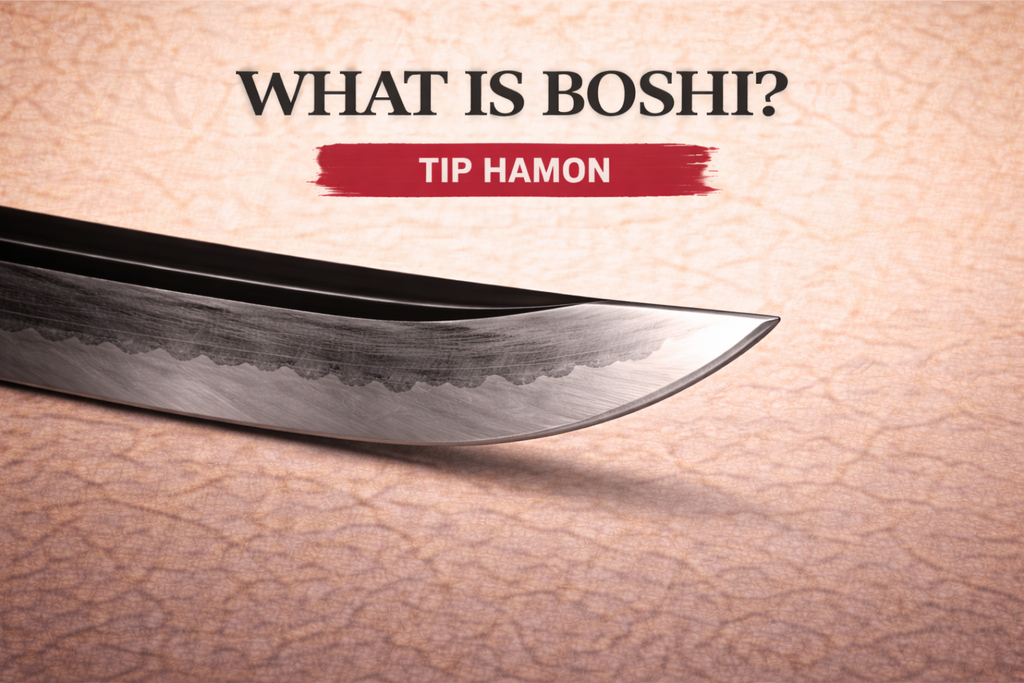
Katana Boshi Beauty of this little hamon line within the Kissaki
The boshi is the continuation of the hamon into the kissaki (tip) of a katana, creating one of the most intricate and admired features of a Japanese sword. Formed during the differential hardening process, the boshi not only contributes to the blade's strength and durability but also serves as an important indicator of a swordsmith's skill and craftsmanship. This guide explores the anatomy of... -
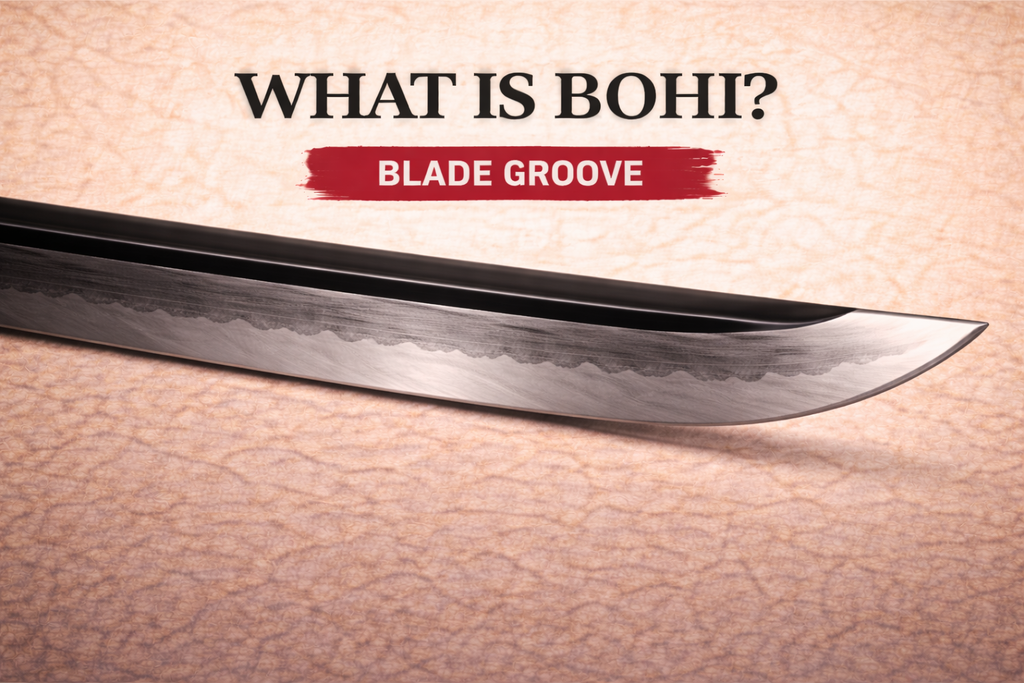
Katana Bohi Things you should know about this part
The bohi is a groove carved into the blade of a katana, often mistaken for a “blood groove.” In reality, its primary purpose is to reduce weight while maintaining much of the blade's structural integrity, creating a sword that feels faster and more responsive in the hand. A bohi can also enhance the distinctive tachikaze (sword wind) sound during a properly executed cut, making... -
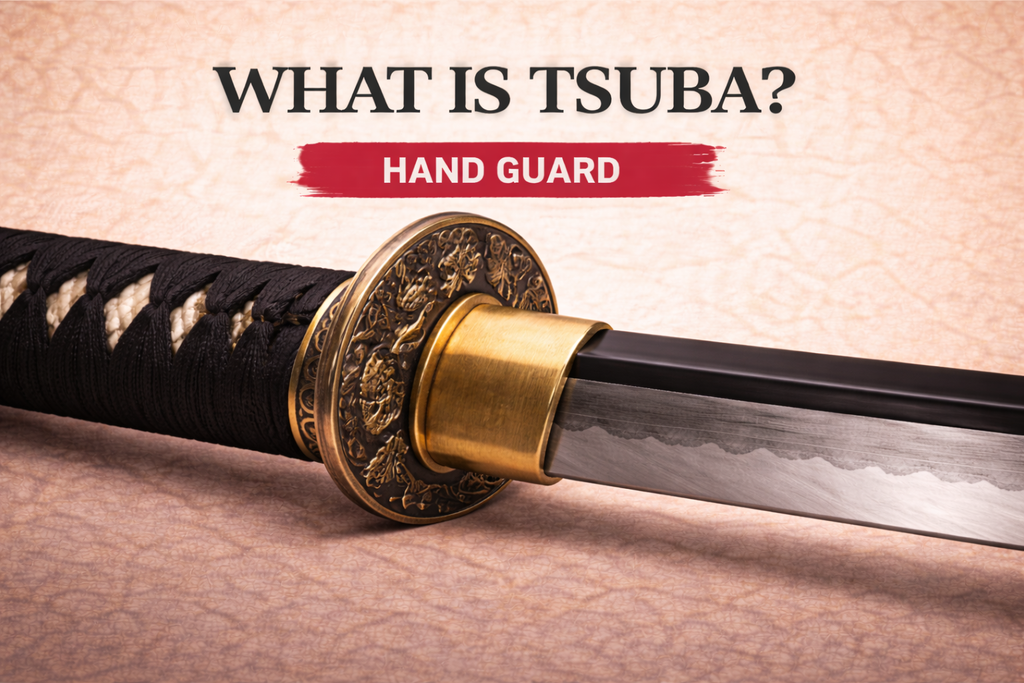
Katana Tsuba Definite guide to understand this sword part
The tsuba is the hand guard of a katana and one of the most recognizable parts of a Japanese sword. While its primary purpose is to prevent the hand from slipping onto the blade during use, the tsuba also contributes to balance, handling, and artistic expression. Over centuries, tsuba evolved from practical battlefield components into highly detailed works of art treasured by samurai and... -
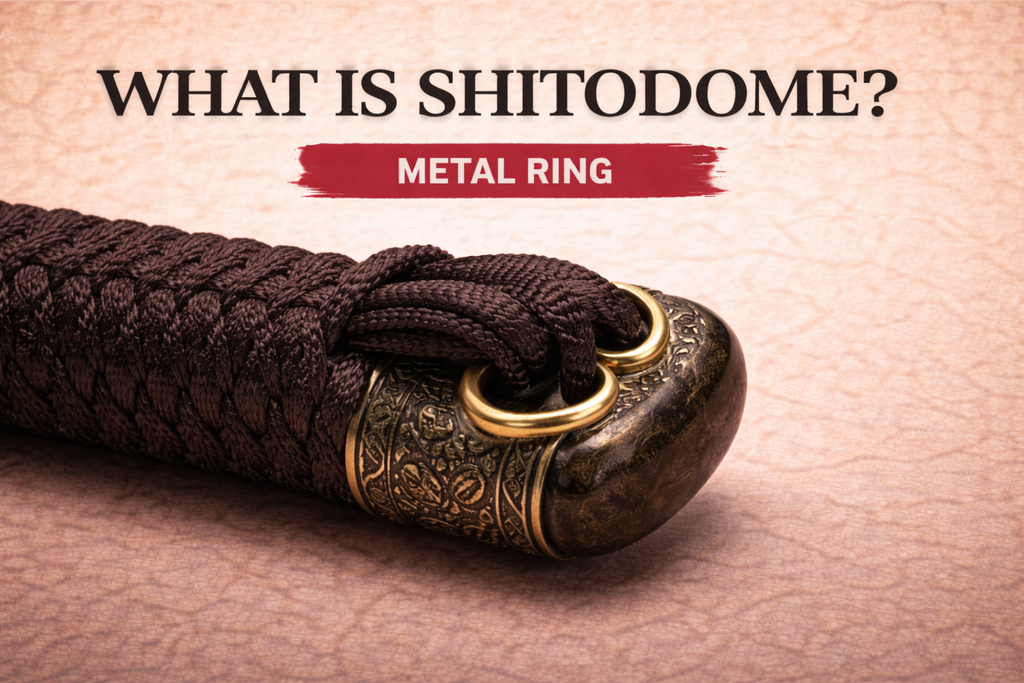
Katana Shitodome Everything you need to know about this little metal ring
The shitodome is a small decorative metal ring fitted into openings on a katana's fittings, most commonly the kurikata on the saya or the kashira on the handle. Although often overlooked due to its size, the shitodome helps protect cords from wear, reinforces mounting points, and adds an elegant finishing touch to the sword's overall appearance. This guide explores the history, materials, functions, and... -
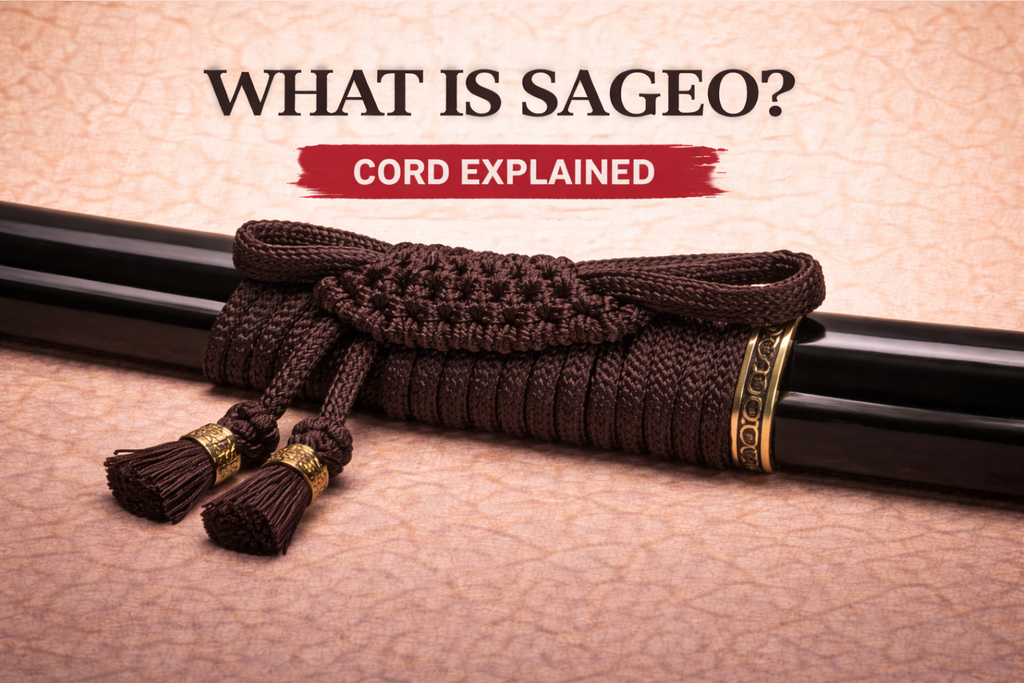
Katana Sageo One of the most important accessories on samurai sword you should know
The sageo is the cord attached to a katana's saya (scabbard), traditionally used to secure the sword to a samurai's belt and assist with various sword-handling techniques. Though often viewed as a simple accessory, the sageo played an important role in carrying, drawing, and presenting a Japanese sword. This guide explores the history of the sageo, its different materials and styles, common tying methods,... -
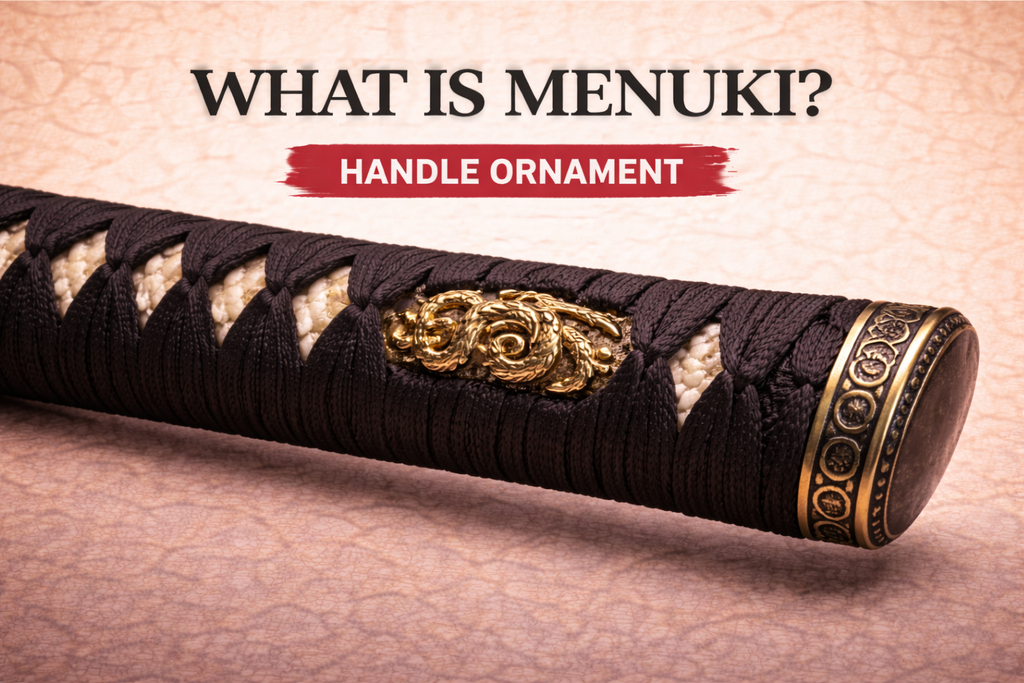
A guide to understand Katana Menuki, a pair of decorative ornaments on the tsuka
The menuki are a pair of decorative ornaments mounted beneath the handle wrapping of a katana. While admired for their artistic beauty and symbolic designs, menuki also serve a practical purpose by improving grip and comfort in the hand. This guide explores the history of katana menuki, their evolution from battlefield fittings to decorative artwork, the meanings behind common motifs, and their role in... -
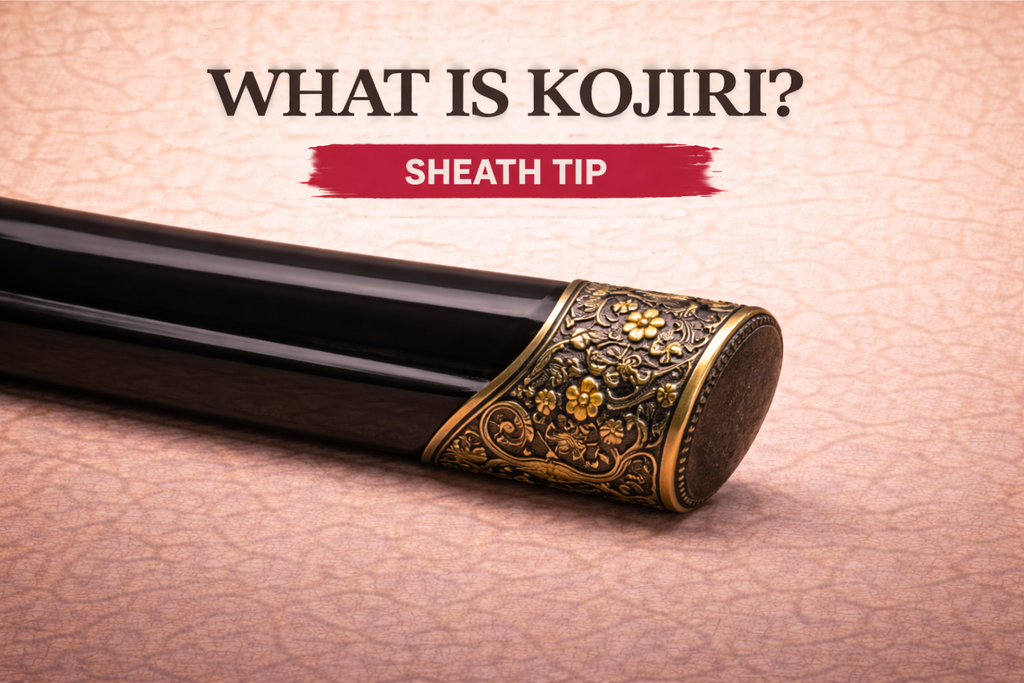
Katana Kojiri Another important katana part on the saya
The kojiri is the fitting attached to the end of a katana's saya (scabbard), serving both protective and decorative purposes. While small in size, it helps shield the tip of the scabbard from wear and impact, contributing to the sword's overall durability and appearance. This guide explores the history, function, materials, and design variations of the kojiri, and explains why this often-overlooked component remains... -
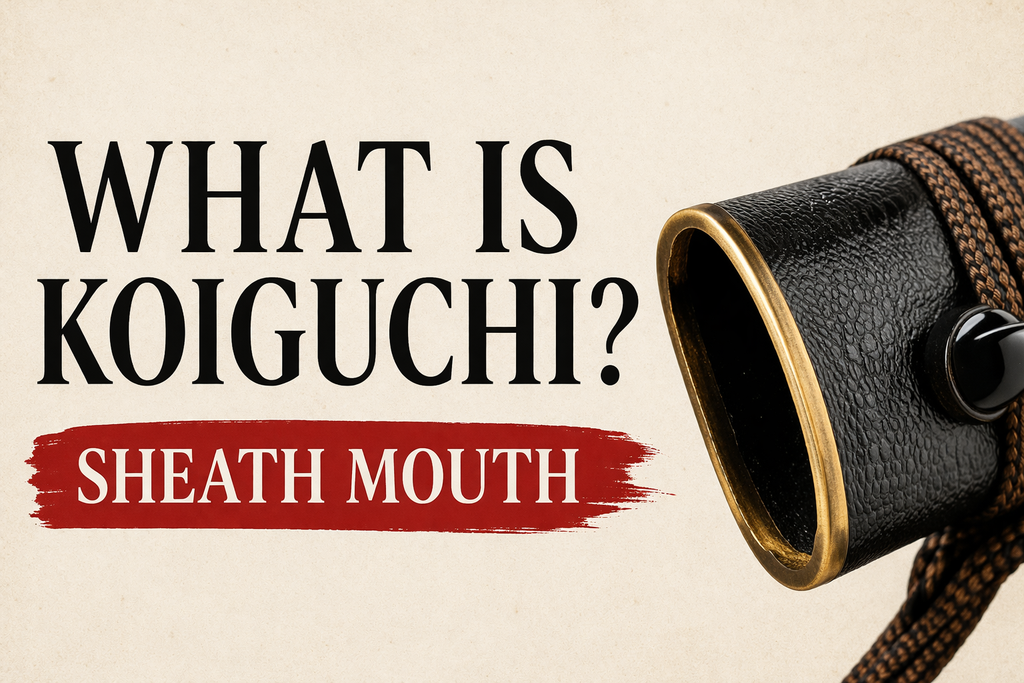
Katana Koiguchi everything you need to know about this part on a Katana
The koiguchi is the opening of a katana's saya (scabbard) where the blade enters and exits during drawing and sheathing. Though often overlooked, this small component plays a vital role in securing the sword, protecting the blade, and enabling smooth, controlled draws. This guide explores the anatomy of the koiguchi, the materials used in its construction, its importance in Japanese swordsmanship, and how proper...
