






-11%
Custom Your Own Katana
$180.00
$160.00


-18%
The Surudoi Handmade Katana Extra Sharp Spring Steel Unokubi-Zukuri
$189.00
from $155.00


-28%
The Giyuu Tomioka Handmade Katana Clay Tempered T10 Steel From Demon Slayer
$208.00
from $150.00
-
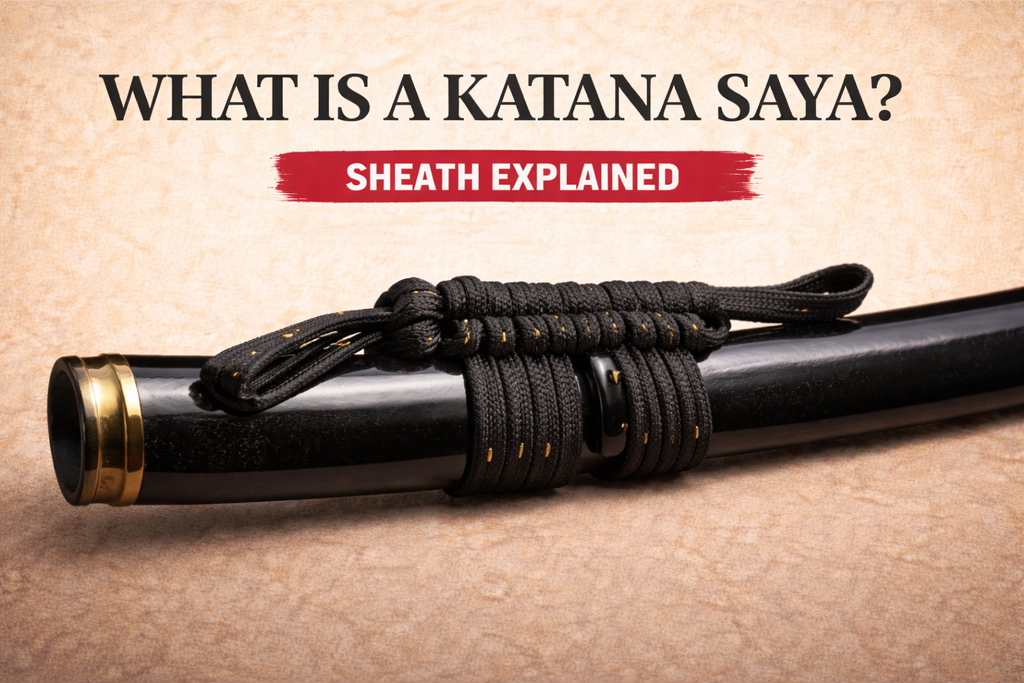
Katana Saya Complete guide to understand the sheath of the legendary samurai sword
The saya is the scabbard of a katana, designed to protect the blade, preserve its condition, and allow for smooth drawing and sheathing. Far more than a simple sheath, the saya is an essential part of a Japanese sword's function, featuring components such as the koiguchi, kurigata, kojiri, and sageo. Traditionally crafted from lightweight wood and carefully fitted to the blade, the saya plays... -
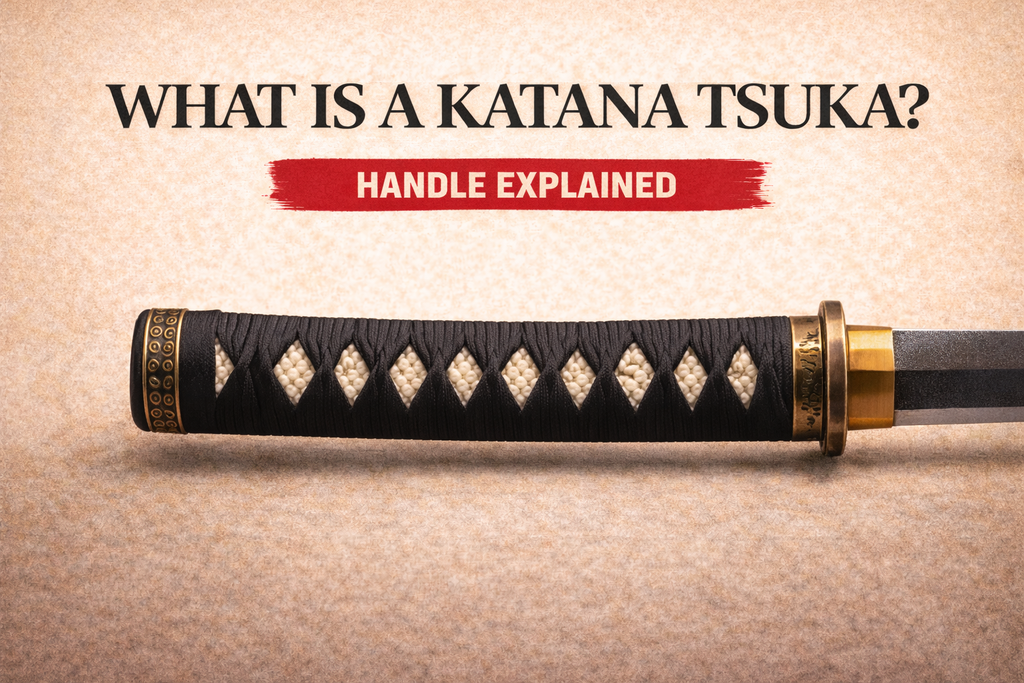
Katana Tsuka Introduction of the handle of Samurai Sword
The tsuka is the handle of a katana and one of the most important components of a Japanese sword. More than a simple grip, the tsuka houses the nakago (tang), supports the sword's fittings, and provides the control necessary for effective handling and cutting. Traditional tsuka are carefully crafted from wood, wrapped with samegawa and tsuka ito, and secured with mekugi to create a... -
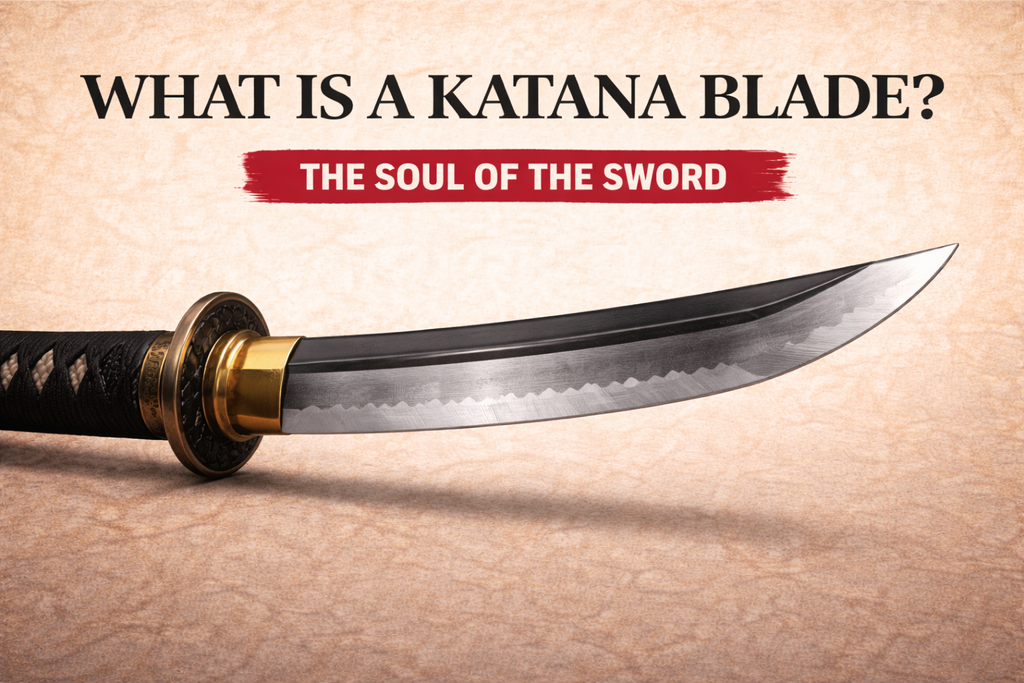
Katana Blade What you should know about the soul of this legendary weapon
The katana blade is the heart of the Japanese sword, renowned for its elegant curvature, exceptional cutting ability, and centuries of craftsmanship. More than just a sharpened piece of steel, every part of the blade—from the kissaki and hamon to the mune and nakago—reflects the skill of the swordsmith and the traditions of Japanese swordmaking. This guide explores the anatomy, construction, materials, and design... -
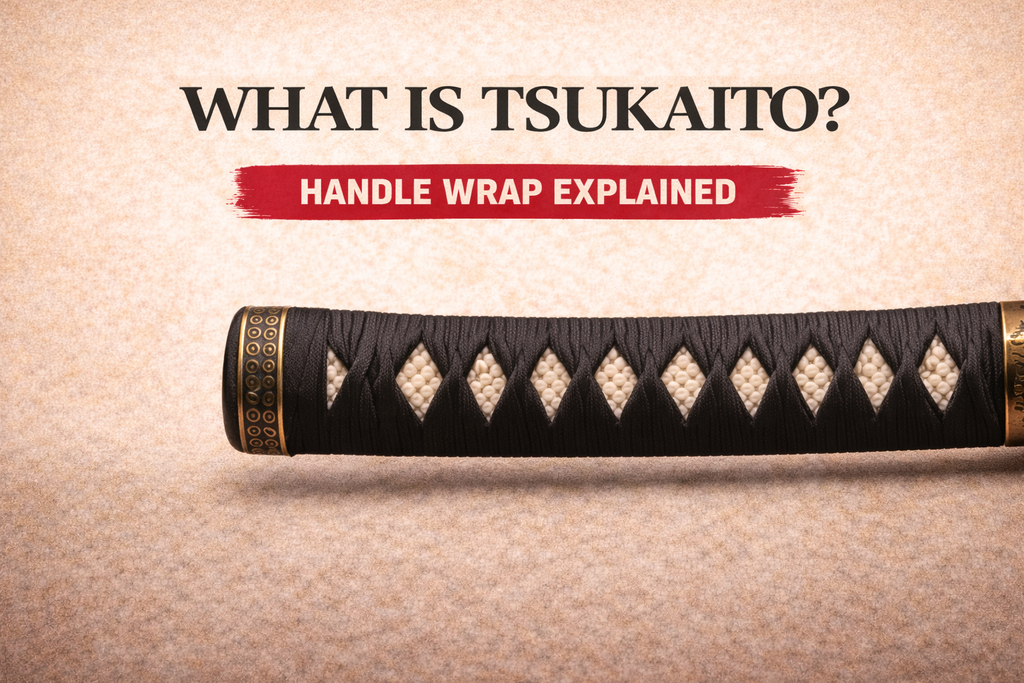
Tsukamaki the art of wrapping the katana handle
Tsuka ito is the cord used to wrap the handle (tsuka) of a katana, creating the distinctive diamond-shaped pattern seen on traditional Japanese swords. Far more than a decorative feature, proper tsuka wrapping improves grip security, enhances comfort, helps retain the menuki, and contributes to the sword's overall durability. This guide explores the history of tsukamaki (handle wrapping), the most common wrapping styles, materials... -
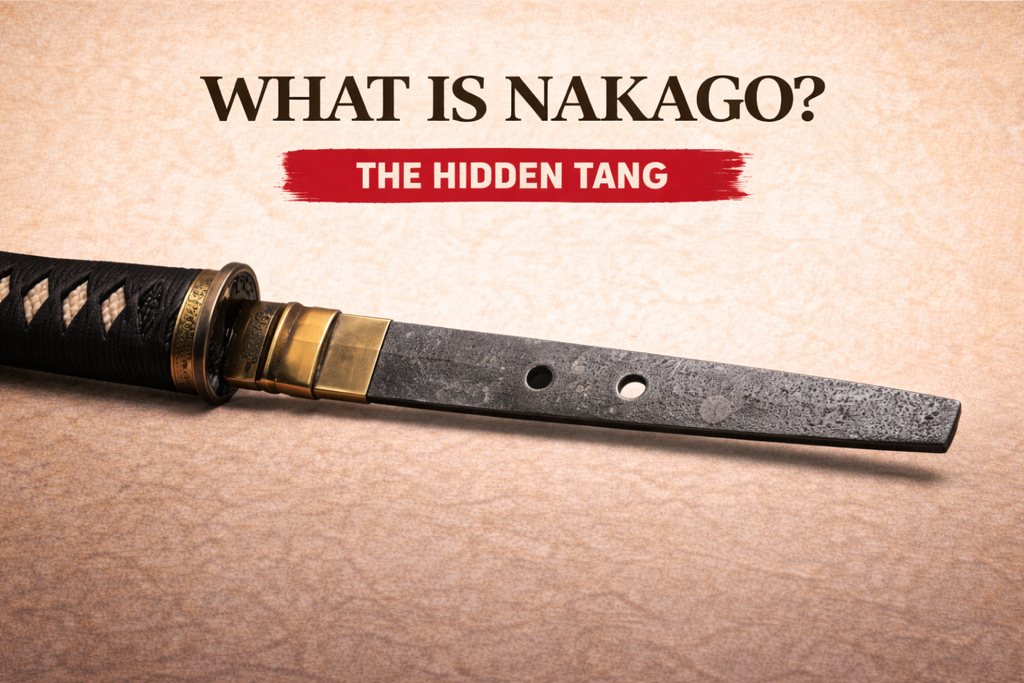
Katana Nakago The tang of the sword hides more secrets than you thought
The nakago is the tang of a katana—the portion of the blade hidden inside the handle that serves as the sword's structural backbone. While rarely seen, the nakago is one of the most important parts of a Japanese sword, providing strength, balance, and durability while also preserving valuable historical information. Swordsmith signatures, dates, filing marks, and other clues are often found on the nakago,... -
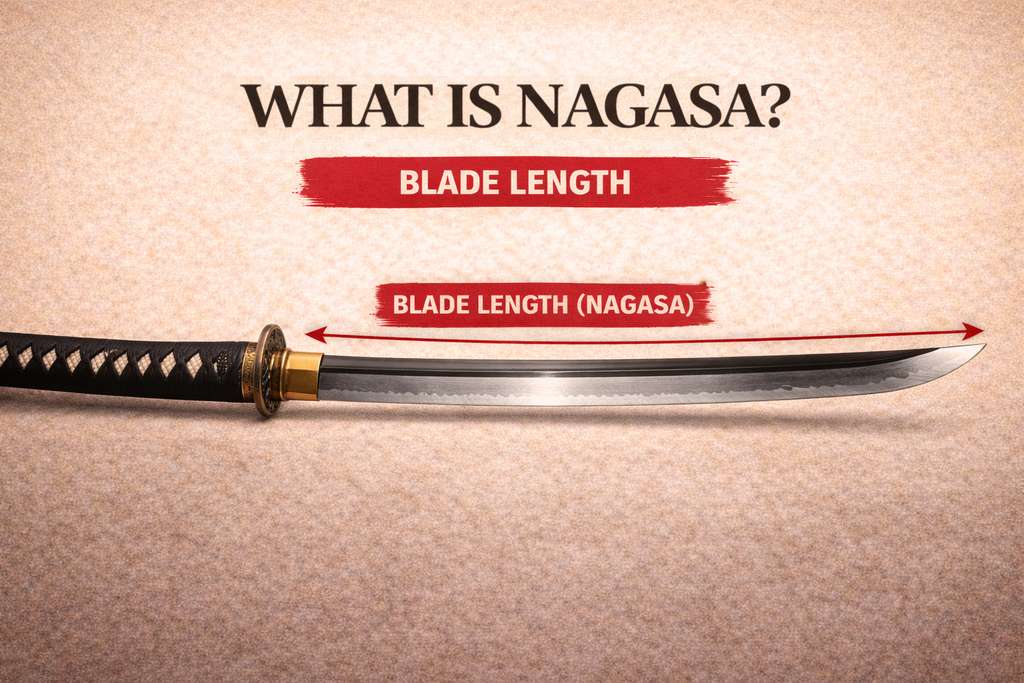
Katana Nagasa Know how to measure katana blade the right way
The nagasa is the official measurement of a katana's blade length and one of the most important specifications used in Japanese sword classification. Unlike overall sword length, the nagasa measures only the blade itself, following traditional methods that have been used for centuries by swordsmiths, collectors, and appraisers. This guide explains what the nagasa is, how to measure it correctly, common mistakes to avoid,... -
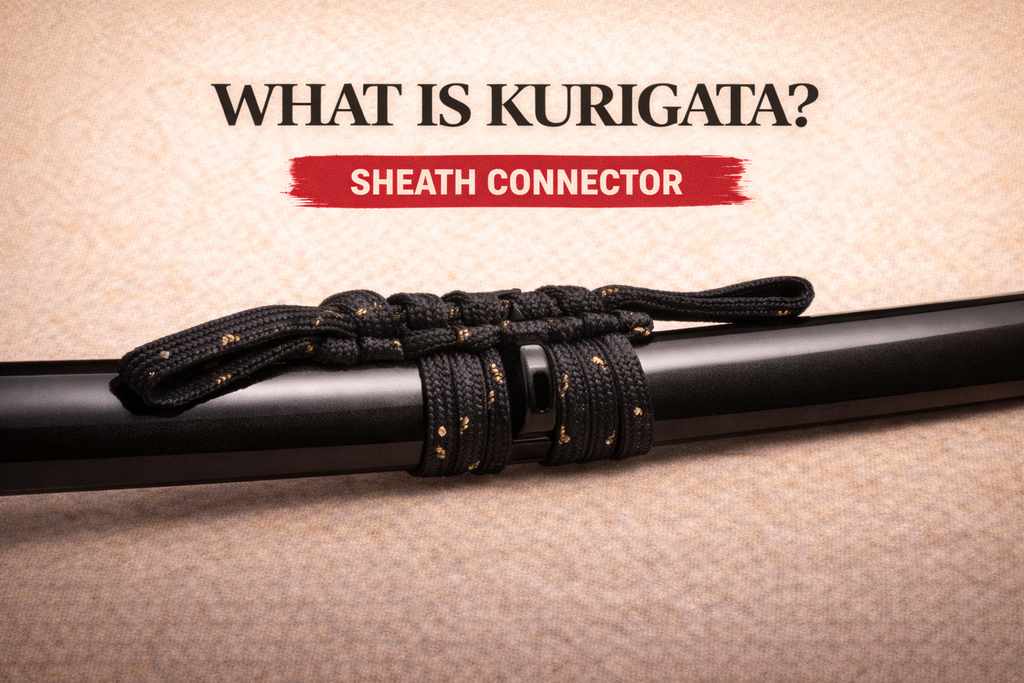
Kurigata a "Chestnut" that connects your katana with your obi
The kurigata is a small knob-like fitting attached to the side of a katana's saya (scabbard), serving as the anchor point for the sageo cord. Though easy to overlook, the kurigata plays a crucial role in how a samurai carried and secured his sword to the obi (belt). Without it, the sageo could not properly attach to the saya, making traditional methods of sword... -
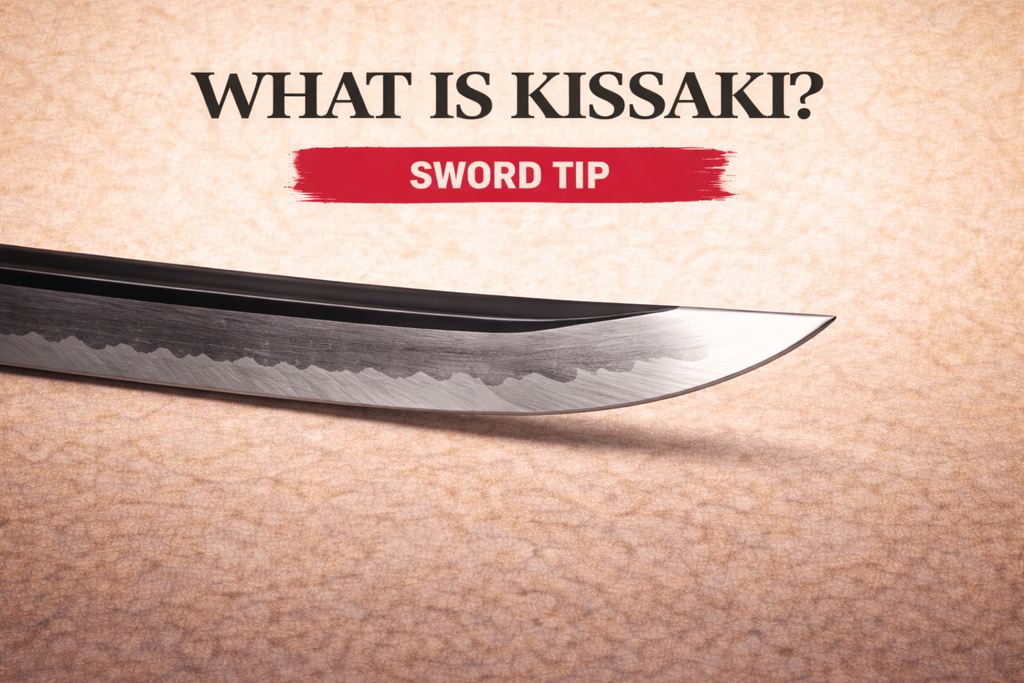
What you need to know about Katana Kissaki - The tip of Katana sword
The kissaki is the tip of a katana and one of the most distinctive features of a Japanese sword. Carefully shaped and polished, the kissaki plays a crucial role in thrusting performance, blade balance, and overall sword aesthetics. Over centuries, Japanese swordsmiths developed different kissaki styles, each reflecting the needs and artistic preferences of its era. This guide explores the anatomy of the kissaki,... -
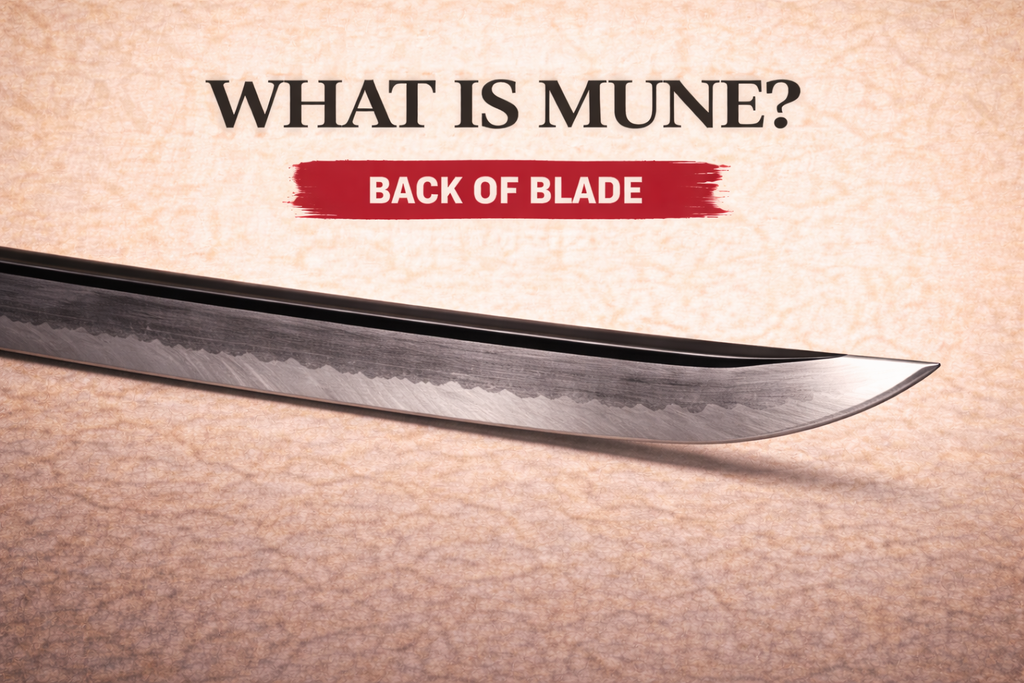
Katana Mune Definite guide to understand the back of samurai sword
The mune is the back, or spine, of a katana blade opposite the cutting edge. While it may not receive as much attention as the hamon or kissaki, the mune plays a crucial role in the sword's strength, balance, durability, and handling characteristics. Different mune shapes evolved throughout Japanese sword history, each offering unique structural and aesthetic qualities. This guide explores the anatomy of... -
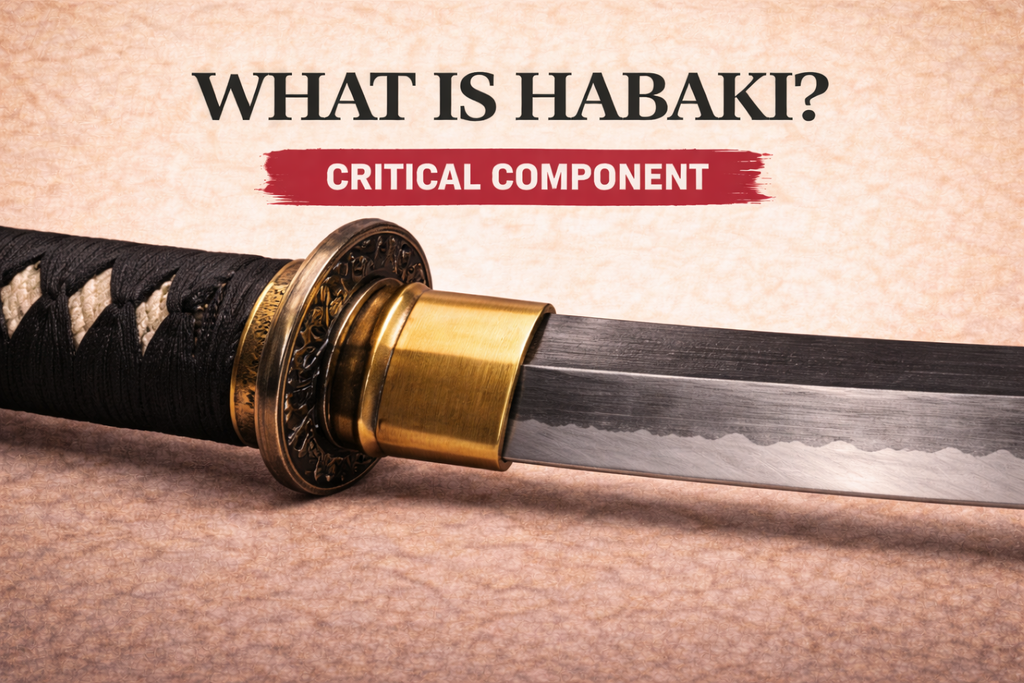
Katana Habaki A little component that will make or break your sword experience
The habaki is a small metal collar fitted at the base of a katana blade, but its importance far outweighs its size. Responsible for securing the sword inside the saya, supporting the tsuba and other fittings, and ensuring a smooth, controlled draw, the habaki is one of the most critical components of a Japanese sword. Without a properly fitted habaki, a katana can become...
